
Significance of Each Dham of Char Dham
Imagine a journey that purifies the soul, washes away past karma, and brings you closer to the divine — this is the promise of the Char Dham pilgrimage.
Writer at Adhyatma Space
Imagine a journey that purifies the soul, washes away past karma, and brings you closer to the divine — this is the promise of the Char Dham pilgrimage.

When you picture Goddess Lakshmi, you likely see her with coins and lotuses. But what does this powerful deity truly represent beyond these common symbols?

Imagine a journey that transcends miles, leading you not just to ancient temples, but to the very essence of divine light that illuminates the cosmos.

What if the stories of a blue-skinned child playing a flute and engaging in grand battles were not mere myths, but a divine blueprint for understanding life, love, and liberation?

While the Rigveda is known for its hymns and the Yajurveda for its sacrificial formulas, have you ever wondered about the Veda that sings?

When we speak of spiritual guides in Hinduism, what truly distinguishes an Acharya from a mere guru or pandit?

You've seen the vibrant idols, heard the joyous chants, and perhaps participated in a local Ganesh Chaturthi celebration. But did you know that this beloved festival unfolds with vastly different colors, rituals, and even underlying philosophies across India?
Do you believe a guru must be obeyed without question, or that they are divine avatars incapable of error? These popular notions, while dramatic, often obscure the profound and practical philosophy at the heart of the guru-disciple lineage.

When we picture women in the Ramayana and Mahabharata, do we see Sita's steadfastness, Draupadi's defiance, or perhaps something more complex?

What if you could find spiritual freedom not by renouncing the world, but by engaging with it more fully, yet differently?

What if the most profound spiritual truths weren't found in complex philosophies, but in the heartfelt songs and simple lives of devoted souls?

We often see the Ramayana as a grand tale of good versus evil, but what if its true power lies in the nuanced moral dilemmas faced by its characters, offering us a roadmap for our own lives?

Do you ever feel like you're wrestling with an inner demon, or that a benevolent force is guiding your decisions? You're not alone – this internal tug-of-war is as old as time, and ancient Indian stories have a lot to teach us about it.

When you picture the epic battles of Hindu mythology, what comes to mind? Divine arrows, celestial weapons, and gods clashing with demons, right? But what if the most impactful moments of these legendary wars weren't about brute force, but about hidden strategies and philosophical duels?

Imagine a colossal chariot, adorned with vibrant silks and flowers, lumbering through crowded streets, pulled by thousands of devotees. This is Rath Yatra, but what if the true journey isn't on the streets, but within your own heart?

Long before horoscopes graced newspaper pages, a profound system of celestial interpretation was taking shape in ancient India, one that sought to understand the divine rhythm of the cosmos and its echo in human lives.

Do you ever feel overwhelmed by the sheer scale of your daily challenges, wishing you had a secret playbook for navigating them with grace and power?

Does the image of Lakshmi conjuring endless gold coins feel like the full story, or does it leave you wanting more?

In a world where connections often feel transactional and fleeting, how do we cultivate relationships built on genuine trust, selfless service, and profound mutual growth?

We know Shiva as the Destroyer, the ascetic, the cosmic dancer, but what if his most captivating stories are not just tales, but keys to unlocking the universe and our own inner divinity?

You’ve heard the stories: Shiva as the destroyer, the one who dances wildly, the one with the snake and the trident. But what if these popular images are just the surface of a much deeper, more profound mythology?

We often picture Rishis in loincloths, meditating in caves, but what if their true legacy lies not just in their spiritual prowess, but in their role as ancient scientists, philosophers, and societal engineers?

In a world that feels increasingly fragmented and fast-paced, where can we find anchors of meaning and belonging?

Imagine a philosophy that claims the universe is born from the dance of two fundamental principles, and that your true self is an eternal witness to this cosmic play. This is the essence of Samkhya.

Have you ever wondered why Vishnu appears in so many forms, performing such varied deeds across countless ancient tales?

In a world that often feels overwhelming and disconnected, where do we turn for guidance that’s both timeless and practical?

What if the secret to a calmer mind and a more vibrant spirit wasn't in a meditation cushion, but right in your kitchen?

Have you ever considered why the Sun, a daily fixture, is revered as a supreme deity in Hinduism, not just for its light, but for its deep symbolic resonance?

Have you ever wondered if the stars hold secrets about your life's journey, or if there's a deeper cosmic rhythm to your existence?

Do you ever feel like your job is just a series of tasks, deadlines, and pressures, draining your energy and leaving you spiritually empty? What if your daily work could be the very path to enlightenment?

When you think of mythological battles, images of divine weapons and epic duels likely come to mind. But what if these legendary confrontations hold secrets far more profound than mere tales of victory and defeat?

What if the ancient temples you marvel at were not just feats of engineering, but intricate instruments designed to harmonize with cosmic energies and human consciousness?

What if the most profound spiritual truths weren't found in complex philosophies, but in the simple, passionate outpourings of hearts aflame with love for the Divine?

When we recount tales from the epics, we often focus on the titans — Krishna, Arjuna, Rama, Sita, Hanuman. But what about the figures who appear briefly, whose names fade from common memory?

In a world where marriage is often seen as a singular, modern contract, what if we told you that ancient Indian traditions recognized up to eight distinct forms of marital union?
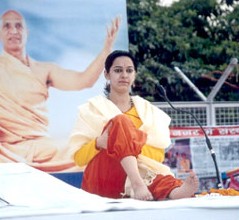
When we speak of "Acharyas," we often think of revered sages, but what does this title truly signify, and how did two particular figures, Shankara and Ramanuja, shape the very landscape of Hindu philosophy?

You've seen the vibrant photos, heard the joyous music, but does the ancient festival of Holi still resonate with your busy, modern life?

You've heard it chanted, perhaps seen it in spiritual texts, and maybe even heard that it's one of the most powerful mantras in existence. But what if much of what you believe about the Gayatri Mantra is actually a myth?

Have you ever stood before a towering Hindu temple and noticed the striking differences between those in the North and those in the South, wondering if there's more to these structures than just stone?

When you hear the name Krishna, what comes to mind? Perhaps a flute-playing youth, a wise charioteer, or a playful child? The truth is, Krishna is all of these and infinitely more, representing a profound spiritual reality that has captivated hearts for millennia.

You know Shiva, Vishnu, and Devi. But when was the last time you heard a temple bell ring for Brahma, the very creator of the cosmos?

You've heard the term "spiritual awakening" everywhere, but what does it *truly* mean beyond the mystical jargon?

Before horoscopes in newspapers, before astrological apps on our phones, there was Jyotish – a profound system of understanding the cosmos and its influence on human life, deeply woven into the fabric of ancient Indian civilization.

Imagine a war where the lines between right and wrong blur, where divine beings resort to deception, and where the ultimate victory comes at a devastating cost. This isn't a modern thriller; it's a glimpse into the ethical quandaries woven into the fabric of Hindu mythology.

When the ancient verses of a stotra fill the air, do you feel the divine responding, or just the familiar rhythm of words?

Have you ever felt a deep yearning for something more, a sense that there's a reality beyond the daily grind, a feeling that whispers of a deeper truth?

Have you ever felt a profound shift within, a sudden clarity, or a deep yearning for something more, only to wonder if you're simply imagining things?

Have you ever wished you could simply "switch off" a racing mind or gain unwavering focus? The ancient yogis discovered a profound science for this, known as Raja Yoga, the 'Royal Path'.

When you hear about Shiva, do you think of the Destroyer? It's time to look past the terrifying imagery and discover the profound wisdom woven into his most famous tales.

Have you ever wondered why the epic tales of gods and demons locked in eternal combat resonate so deeply within us, even today?

Beyond the familiar image of a peacock-riding general, Kartikeya's visual representations hold a universe of meaning, from ascetic meditation to fierce battle.

In the relentless pace of deadlines, career pressures, and personal aspirations, do you ever feel like you're Arjuna on the battlefield, paralyzed by doubt and overwhelmed by the path ahead?
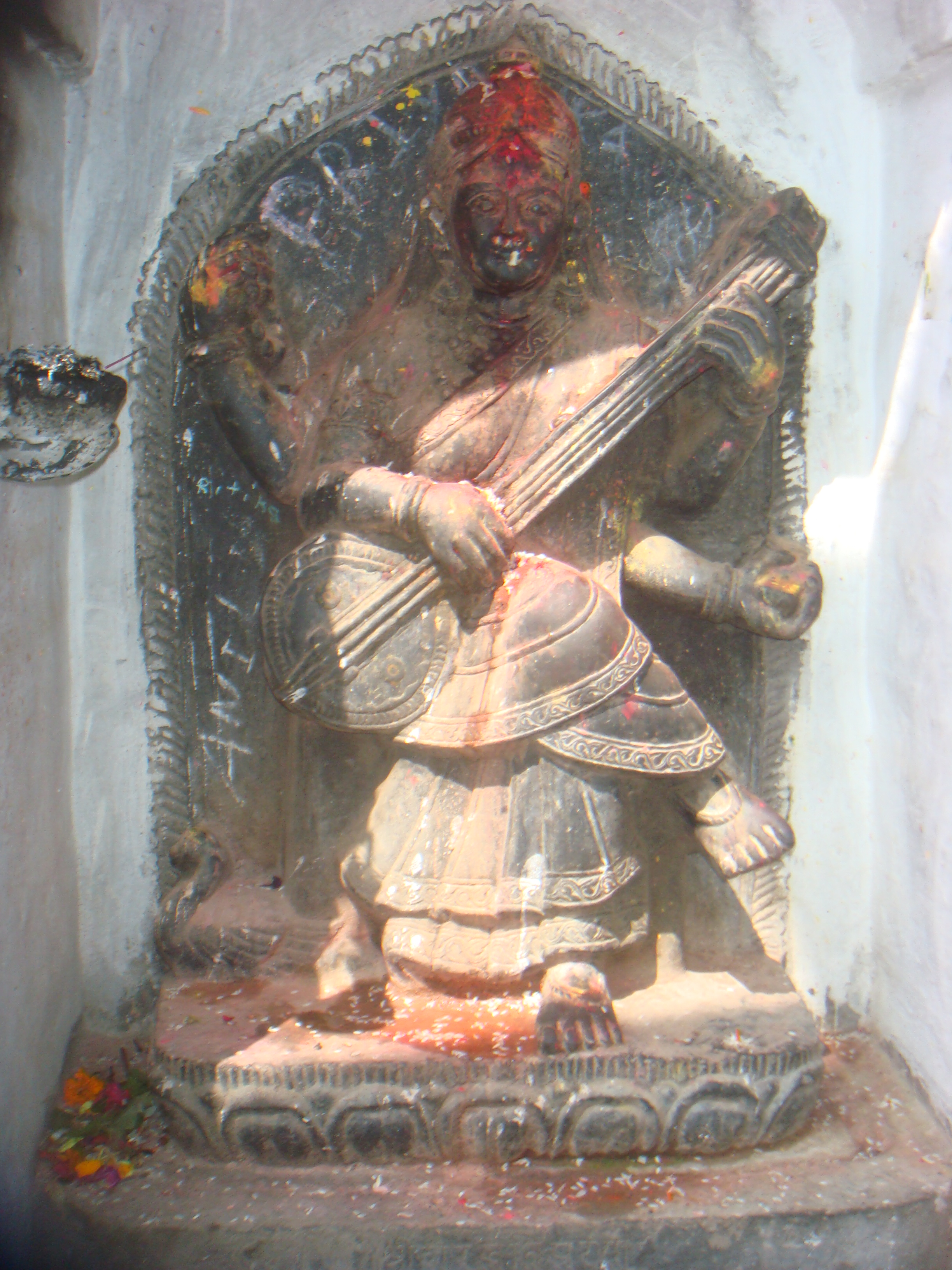
Before she was the goddess of the veena and the Vedas, Saraswati flowed as a mighty river, a life-giving force whose essence would transform into the very embodiment of knowledge and creativity.

Have you ever wondered why some festivals are tied to the sun's movement, and what that celestial shift truly means for us on Earth?

When we hear "Dharma Shastras," do we picture an ancient, rigid rulebook dictating every aspect of life, or something far more profound and adaptable?

We know their songs, their legends, their unwavering devotion. But what truly made figures like Mirabai, Kabir, and Tulsidas the seismic forces of the Bhakti movement?

In the epic battlefield of Kurukshetra, two monumental figures stood: the divine charioteer Krishna and the valiant warrior Arjuna. But what truly defines their distinct yet intertwined roles?

Imagine a blueprint for life, not dictated by external pressures, but designed for inner fulfillment and societal harmony, unfolding across distinct phases.

You’ve chanted the names, perhaps even sung them, but do you truly feel the essence of the stotra you’re reciting?

We often hear of great Acharyas shaping Hindu thought, but what truly distinguishes them beyond their revered titles?

Imagine millions converging, not for a political rally or a music festival, but for the singular, sacred opportunity to bathe in purifying waters at the most auspicious moment in the cosmos.

In a world that constantly demands our attention, how can we find a path to inner peace and clarity that doesn't require escaping everything?

When gods and demons, avatars and kings, clash in epic battles across the ages, what are we truly witnessing?

Have you ever wondered if the epic tales of ancient Indian sages were just myths, or if they hold practical guidance for your own life?

Imagine walking through ancient streets where every stone echoes with tales of gods and goddesses, where legends aren't just stories but living guides for your spiritual path.

When you think of Hanuman, do you picture a powerful, flying monkey god? While that image is part of the story, it barely scratches the surface of the profound spiritual truths this beloved deity represents.

Have you ever felt a profound shift within, a moment where the world looked both familiar and utterly new, only to have the feeling fade, leaving you wondering if it was real?

Feeling perpetually overwhelmed, burnt out, and disconnected from your own body? You're not alone, and the solution might be older than you think.

Do you ever feel like you're running on a treadmill, achieving more but feeling less satisfied, perpetually chasing a "better" future that never quite arrives?

You're navigating a high-stakes negotiation, feeling the pressure to compromise your values, and a quiet voice whispers: "What would Sita do?"

If you think the Varna system was simply a hereditary caste system, you've likely absorbed one of its biggest misconceptions.

You've heard the term "spiritual awakening" everywhere, but what does it truly mean beyond the hype?

Have you ever heard a beautiful Sanskrit hymn and wondered how to join in, or felt a calling to connect with the divine through sacred verses but didn't know where to start?

You've seen pujas in temples, perhaps participated in grand ceremonies, but how do you invite that sacred energy into your everyday life, right in your own home?

When you hear "Atharvaveda," do you picture ancient chants and mystical rituals? What if that ancient text also holds seeds of modern scientific thought, from early germ theory to psychological well-being?

You’ve heard the stories, felt the inspiration, and perhaps even had a powerful darshan, but how do you translate the sacred connection with your Guru into tangible spiritual growth every single day?

When you hear "Shiva," what comes to mind? The ascetic with matted hair, the cosmic dancer, or perhaps the destroyer? The truth is, Shiva embodies all these and infinitely more, defying easy categorization.

As you stand before an ancient Hindu temple, have you ever noticed how some soar skyward with graceful curves, while others command the earth with towering, pyramidal forms?

We know the story of Rama's exile, Sita's abduction, and Hanuman's devotion, but have you ever stopped to truly understand the people who lived through it, their struggles, and the dharma they embodied?

You wake up, you meditate, you chant. You are doing all the "right" things, so why does your spiritual practice feel like a chore instead of a joy?

Is Ram Navami just another holiday, or does the birth of Prince Rama hold timeless lessons for us today?

Imagine a diet that doesn't just fill your stomach, but also calms your mind and elevates your spirit. This isn't a fad; it's an ancient practice rooted in yogic philosophy.

In a world where relationships often feel transactional or fleeting, what if the deepest, most transformative connections were modeled centuries ago by spiritual masters and their disciples?

Imagine a civilization that gave the world yoga, sophisticated philosophies, and the concept of zero — and whose cultural roots run deeper than recorded history.

We often hold Lord Rama up as the epitome of dharma, but what if his life, particularly his relationships, holds surprisingly practical blueprints for navigating our own modern-day romantic and familial challenges?

Many remember Krishna as the butter thief and divine trickster, but what if those playful antics were actually profound cosmic dramas, each laden with philosophical meaning?

Can the positions of celestial bodies truly influence our lives, or is Jyotish merely a relic of ancient superstition?

When we think of ancient India, we often conjure images of yogis in meditation and grand temples, but what do archaeological findings and textual analysis reveal about the everyday lives and intellectual achievements of its people?

As the clock ticks towards midnight on Janmashtami, a palpable energy fills the air, beckoning devotees to participate in ancient rituals that celebrate the divine advent of Lord Krishna.

In a world of constant notifications and endless to-do lists, do you ever feel like you're running on empty, disconnected from something deeper?

You've heard about the importance of daily spiritual practice, but how do you move from a mechanical routine to a genuinely fulfilling experience?
Before the great philosophical schools and vibrant sectarian traditions, there was a foundational role that ensured the continuity of sacred knowledge – the Acharya.

Imagine a sacred text so beautiful, its very recitation is a form of meditation, a journey into the heart of sound and spirit. This is the Samaveda.

For millennia, the concept of a "sattvic" diet has been lauded in yogic traditions, but what does modern science say about the claimed benefits of these foods?

You’ve heard of Ishvara, the Lord, the Creator. But what if the ultimate reality is beyond all names, forms, and even the concept of creation itself?

We know Krishna as the mischievous butter thief, the charioteer of Arjuna, the divine lover. But what if these beloved tales are not just stories, but a sophisticated map to understanding the cosmos and our place within it?

When we hear of Parvati, we often picture Shiva's devoted wife, a gentle presence. But the ancient stories paint a far grander portrait of the Divine Mother, one of fierce power, profound penance, and cosmic creation.

We know Rabindranath Tagore as the Nobel laureate poet, the composer of India's national anthem. But what if his birthday, celebrated as Panchishe Boishakh, holds a spiritual significance far deeper than mere literary appreciation?

If you've heard that the ultimate goal of Hindu life is "moksha" or liberation, but the concept remains hazy, you're not alone; it's far more nuanced than a simple escape from reincarnation.

You're caught in traffic, scrolling through emails, and a fleeting image of a distant temple or a sacred river appears in your mind. What is this persistent, almost magnetic pull towards places you may have never even visited?