
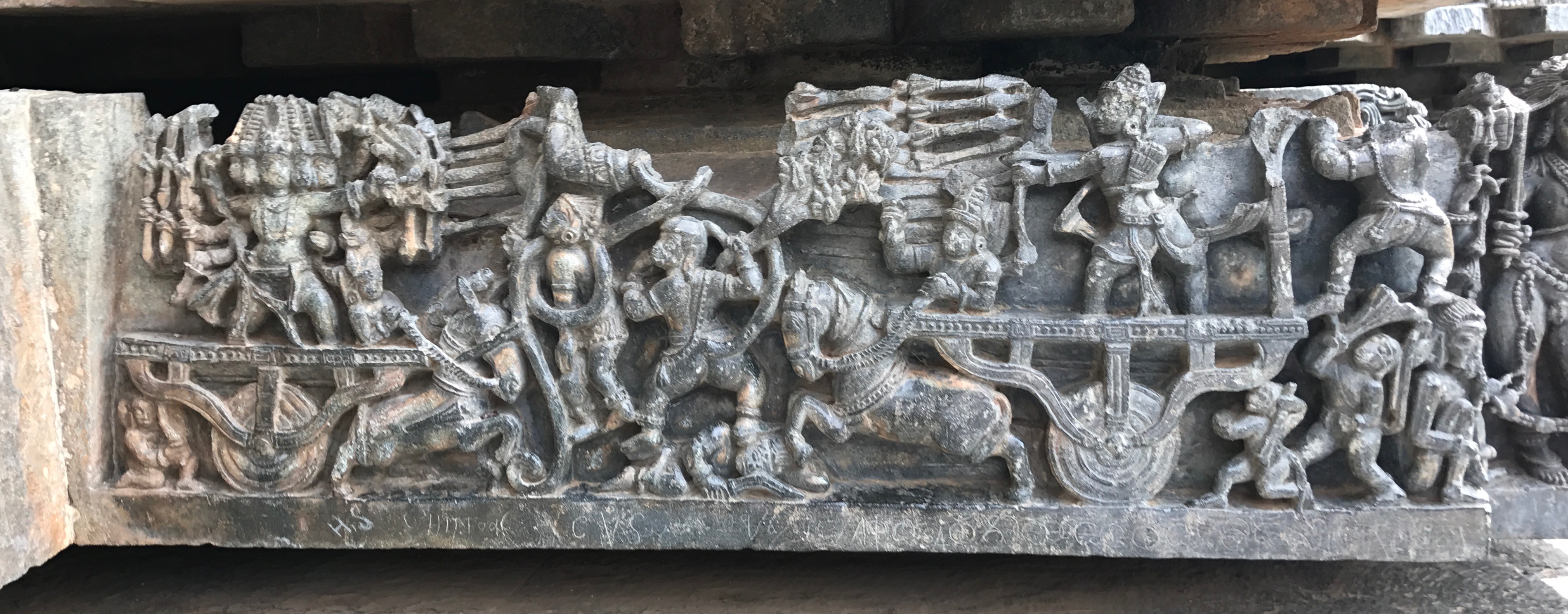
Shaivism: Shaivism vs Vaishnavism
You know the stories of Rama and Krishna, but what about the tales of Shiva and the philosophical depths of Shaivism?
Writer at Adhyatma Space
You know the stories of Rama and Krishna, but what about the tales of Shiva and the philosophical depths of Shaivism?
When you think of Hinduism, what comes to mind? Perhaps images of the Taj Mahal, or the Ganges river, or maybe a specific deity. But what if these are just glimpses of a much larger, more diverse spiritual landscape?

When gods and demons, heroes and villains clash in the grand epics, what are we truly witnessing? Are these mere tales of good versus evil, or are they profound explorations of cosmic principles and human nature?

Imagine a scripture not just read, but sung, its verses flowing like a river of devotion, carrying you towards the divine.

Have you ever pondered the fundamental building blocks of existence, or the very nature of consciousness itself? Samkhya philosophy offers a profound, ancient roadmap to understanding these deepest questions.

What if the ancient practice of celebrating Makar Sankranti is, at its heart, a sophisticated observation of celestial mechanics and solar cycles?

When you hear "Yajurveda," images of ancient fire sacrifices might come to mind. But what if this Veda holds far more than just procedural hymns?

What if the ultimate goal of life, moksha, isn't a single peak to be conquered, but a vast landscape with many trails, each leading to the same eternal truth?

Imagine stepping into a temple not just to see a deity, but to feel the very presence of the infinite, manifested in stone and light.

When we think of women in Hindu epics, names like Sita or Draupadi often come to mind, but their stories are just the tip of the iceberg, obscuring a vast landscape of female characters who defied, conformed, and redefined expectations.

Before she was the patron of scholars and artists, Saraswati was a mighty river, and tracing her journey reveals a profound shift in ancient Indian thought.

Ever walked into a room and felt an inexplicable sense of peace, or conversely, a nagging unease? These subtle energetic shifts are often guided by Vastu Shastra, the ancient science of harmonious living.

Ever found yourself reacting to a situation in a way that surprises even you, or repeatedly falling into the same patterns despite your best intentions?

As the majestic chariots of Lord Jagannath, Balabhadra, and Subhadra roll out of the Puri temple, a sea of devotees throngs the streets, but what lies beyond the spectacle?

Imagine a colossal chariot, adorned with vibrant colors and intricate carvings, pulled by thousands of devotees through the streets, carrying the Lord of the Universe Himself. This is Rath Yatra, a spectacle that draws millions, but what lies beneath the surface of this grand procession?

While the aroma of til laddoos fills the air and kites dance in the sky, what is the profound cosmic significance of Makar Sankranti that makes it a pivotal moment in the Hindu calendar?

You've chanted Om, maybe Gayatri, and felt a flicker of peace. But what if those sounds weren't just prayers, but precise vibrational keys designed to unlock specific states of consciousness?

When we picture Rama, what comes to mind? A warrior king, a devoted husband, an embodiment of dharma. But what if we looked closer, beyond the familiar image, to see a more complex, perhaps even revolutionary, portrayal of masculinity for his time and ours?

Do you ever feel like your faith is a world away from your commute, your deadlines, and your daily worries?

Is Krishna just a mischievous child who stole butter, or a divine lover who charmed all the Gopis? The stories we often hear barely scratch the surface of his profound spiritual significance.

Imagine a state of being where the endless cycle of birth, death, and rebirth loses its hold, where suffering ceases, and true freedom is attained. This is the promise of Moksha, the ultimate goal in many Hindu traditions.

You meticulously arrange the samagri, chant the mantras, and feed the flames, yet the profound spiritual energy you expect from yajna remains elusive. Is the ancient fire ritual losing its potency in your hands?

When you think of Shiva, you likely picture the Nataraja, the ascetic on the mountain, or the destroyer of worlds. But what if there are stories of this profound deity that go deeper, revealing aspects of his character and cosmic role that remain largely in the shadows?

In the rush of board meetings and digital deadlines, do you ever feel like you're navigating a labyrinth without a map, searching for a compass that points to integrity and purpose?

Imagine a melody so captivating it stills the world, a dance so pure it reveals the very essence of love. This is the power of Krishna Leela, not as mere stories, but as divine invitations to experience the heart of the Divine.

Before the first brick was laid for a temple or a home in ancient India, a sophisticated science was consulted — a blueprint for integrating human dwellings with the natural world.

What if the ultimate reality isn't a distant patriarch, but a vibrant, powerful Mother who births, sustains, and dissolves the universe with playful ease?

Is Brahman merely an abstract, impersonal "everything" or "nothing," or is there a deeper, more nuanced reality that most popular explanations miss?

Could the movements of distant stars and planets hold a discernible key to understanding human personality and life events, a claim ancient India made millennia ago?

Have you ever wondered about the divine strategies, celestial weapons, and karmic debts that shaped the titanic clashes in Hindu epics?

Have you ever wondered why a Hindu wedding involves so many rituals, from the sacred fire to the seven steps? It's because marriage, in the Hindu tradition, is understood as a profound spiritual journey.

In today's hyper-competitive world, are we leading with purpose, or just pushing an agenda?

The Himalayas tremble with his Tandava, the universe holds its breath at his gaze, but have you ever felt Shiva's stories whisper directly to your heart, like a lover's secret?

You're juggling deadlines, managing relationships, and trying to find peace in a world that constantly demands your attention — but does it all feel a bit… unreal?

Imagine a library so ancient its books whisper secrets from the dawn of civilization, secrets that still resonate with profound truth today.

We know Krishna's childhood tales—stealing butter, outsmarting demons, dancing with Gopis. But what if these divine escapades are more than just stories? What if they hold a secret moral compass for our own lives?

You’ve heard about the sattvic diet for centuries, often linked to yoga and Ayurveda, but what if its benefits are verifiable by modern science?

As the Islamic calendar begins with Muharram, a month marked by profound historical remembrance, many wonder about its deeper spiritual currents that echo universal truths of sacrifice and justice.

You've heard about meditation, maybe even tried it – focusing on your breath, counting sheep. But what if dhyana, the ancient Hindu practice, offers a pathway to something far more profound than mere relaxation?

You’ve heard about the yogic diet, but what does it *really* mean to eat sattvic, and how can it transform your daily life beyond just physical health?

You've likely heard the Maha Mrityunjaya Mantra chanted, perhaps in moments of crisis or for general well-being, but what if its true power lies far beyond a simple petition for a longer life?

Long before the term 'Advaita' was coined, the question of ultimate reality echoed through the ancient Indian landscape, setting the stage for one of philosophy's most enduring dialogues.

In our hyper-connected, fast-paced world, do you ever feel like you're missing a fundamental blueprint for living a truly fulfilling life?

You’re juggling deadlines, family, and the constant hum of notifications, feeling adrift in a sea of choices, yet somehow always missing the mark of what truly matters.

What if life's journey was not a chaotic scramble, but a divinely ordained progression, each stage holding specific lessons for your spiritual evolution?

When we think of women in the Ramayana and Mahabharata, do we picture Sita's unwavering devotion, Draupadi's fiery spirit, or perhaps a more simplistic archetype?

If you think the Mahabharata is just an ancient war story, you're missing the most compelling drama: the deeply human struggles of its unforgettable characters.

You've heard about the sattvic diet, but what does it *really* mean to eat for spiritual growth, and how can you actually do it without feeling overwhelmed?

As the midnight hour approaches and devotional songs fill the air, millions celebrate the birth of Lord Krishna. But what is the true significance of this vibrant festival, and why does Krishna's arrival resonate so deeply across centuries?

When we hear the name "Ramayana," we often picture a grand tale of good versus evil, but at its heart, this epic is a tapestry woven with the lives of extraordinary individuals who embody dharma in its many forms.

Have you ever looked at the stars and felt a pull, a sense of order, or perhaps a question about your own place in the grand cosmic dance?

Before the temples, before the idols, there was the sacred fire – the hearth of ancient Vedic civilization where humanity first communed with the divine.

Have you ever felt a subtle intuition, a flash of insight that seemed to come from nowhere, or a persistent pressure between your eyebrows? These might be early whispers of your third eye beginning to open.

What if the epic battles of the Devas and Asuras, the divine births, and the cosmic cycles within the Puranas are not just fantastical tales, but profound symbolic maps for navigating your own inner and outer worlds?

You've heard of liberation – the end of suffering, the escape from endless rebirth. But is the ultimate freedom described in Hinduism (Moksha) the same as that taught in Buddhism (Nirvana)?

We know the names of Arjuna, Bhima, and Karna by heart, but what about the figures who whispered crucial advice, made pivotal choices, or simply bore witness to the epic's grand drama?

Are Samkhya and Yoga two separate paths to liberation, or two faces of the same spiritual coin?

You've heard it in temples, in yoga classes, and perhaps even whispered by a guru — the rhythmic repetition of a mantra. But what is *japa*, truly, and why is this ancient practice so central to Hindu spiritual life?

Who were the first "Acharyas," and how did their role transform from ancient Vedic expounders to the revered gurus of our time?

Are your circumstances a product of your past deeds, or a script already written by destiny?

When gods and demons, heroes and villains clash in the grand arenas of Hindu epics, what are we truly witnessing beyond the spectacle of divine power?
Who were the ancient sages whose profound insights form the bedrock of Hindu philosophy, and how did their lineage evolve from the dawn of Vedic civilization to the classical era?

If you've only encountered Hinduism through a single lens, you're missing a vibrant kaleidoscope of devotional practices, festivals, and philosophical interpretations that bloom across India and the world.

What if the most profound lessons of the epics aren't taught by the heroes, but by the ones who stood silently in their shadow?

What if the secret to navigating life's chaos isn't more effort, but more intention — woven into the very fabric of your day?

Before there were written stotras, there were the chanted hymns of the Rishis – a lineage of devotion that laid the foundation for the devotional poetry we cherish today.

What if the world you perceive, with all its separations and distinctions, is merely a grand illusion, and your true nature is boundless and one with everything?

What if the ancient stories of Shiva, the Destroyer and Transformer, hold the keys to understanding our own inner battles and highest potentials?

The epic clash between Rama and Ravana is more than a battle of armies; it's a profound exploration of opposing philosophies, where divine virtue confronts demonic ambition.

Imagine a ritual where offerings ascend to the heavens not as smoke, but as prayers carried by sacred flames. This is the essence of Yajna, a practice as ancient as it is profound.

When we speak of women in the epics, the names Sita and Draupadi often dominate the narrative. But what if the deepest wells of wisdom lie in the voices we rarely hear?

Imagine a single sound that resonates with the very fabric of existence, capable of harmonizing your inner energy and unlocking profound peace. That sound is Om.

You know your Sun sign, perhaps your Moon and Rising sign too, but what if the most crucial insights into your life's purpose and hidden potentials lie in a chart you've likely never seen?

You’ve heard that bathing in the Ganges can wash away sins, or that the Yamuna is a goddess. But what if these popular notions are just the surface of a much deeper, more profound philosophy?

What if the greatest war ever fought wasn't about who won, but about how its participants changed?

What if the sacred texts you revere are not just ancient books, but the vibrant echoes of sages who saw the universe with unprecedented clarity?

In a world that constantly urges us to move faster, achieve more, and discard the old, what if the deepest wellsprings of peace and purpose are found not in the new, but in the ancient traditions of Nepal and India?
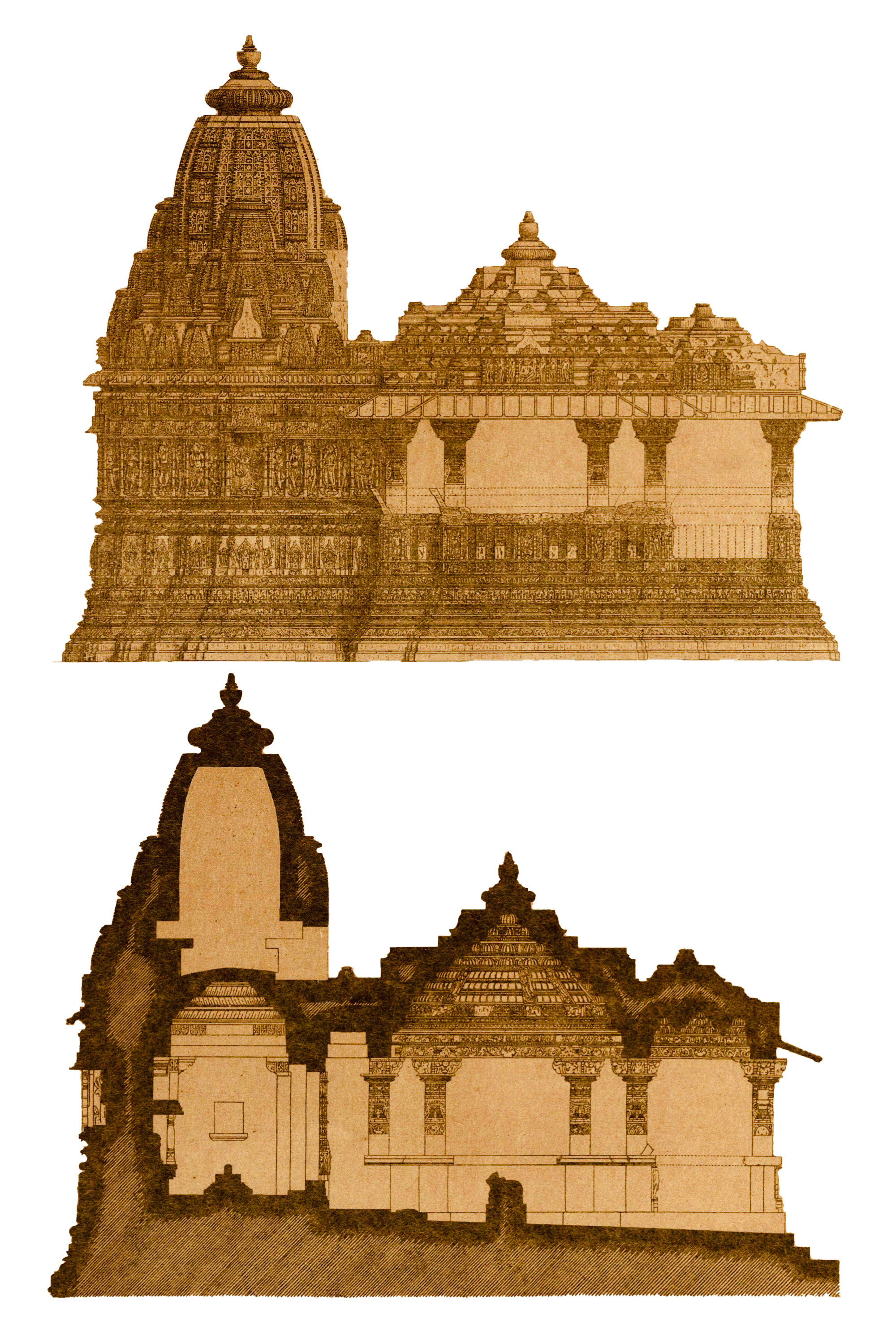
If you've ever wondered why the Goddess is worshipped differently in Bengal than in Tamil Nadu, or why festivals light up North India with such distinct fervor, you've glimpsed the vibrant tapestry of regional Hindu traditions.

We often revere Gurus as divine figures, but how do we translate that reverence into tangible changes in our everyday lives?

As Bakrid approaches, we often hear of Abraham's willingness to sacrifice his son. But what if this ancient story resonates deeply with timeless Hindu wisdom, offering a profound spiritual lesson for today?

When you hear about Bakrid, what comes to mind? A grand feast, perhaps, or the ritual of sacrifice. But beneath the surface of celebration lies a timeless spiritual lesson that echoes through the ages, a lesson relevant to every seeker, regardless of faith.

You've heard of Bakrid as Eid al-Adha, the Festival of Sacrifice. But what if its deepest spiritual resonance lies not in the act of slaughter, but in a concept universally understood by seekers across traditions — the selfless offering of the ego?

If you asked ten philosophers to define Brahman, you might get eleven answers, each pointing to a truth that is both profound and elusive.

Do your spiritual practices feel like a separate, sacred hour carved out of your day, or do they actually infuse your entire life with a sense of purpose and peace?

Imagine a night where the veil between the material and the divine thins so dramatically that the very essence of creation is said to pulse with profound energy – this is Mahashivratri.

What if the greatest war in ancient Indian history was less about armies clashing and more about the eternal struggle within the human heart?

You’ve heard about the sattvic diet — the food of clarity, peace, and spiritual growth. But how do you actually bring this ancient wisdom into your busy, modern kitchen?

You know Brahma as the creator of the universe, but have you ever wondered why you rarely see temples dedicated to him, or why he seems less prominent than Vishnu or Shiva?

When you think of the Mahabharata, who comes to mind first? Likely Arjuna, Krishna, or perhaps Karna. But what if the epic's deepest wisdom lies with those who are rarely the focus of our attention?

When you hear "Dev vs Asura," do you picture celestial angels battling hideous demons? That simplistic image is not the whole story, and understanding the truth reveals profound insights into ourselves and the cosmos.

If you've ever heard Dharma described simply as "duty," you've only caught a glimpse of its vast meaning; let's explore the expansive landscape of this foundational Hindu concept.

When we think of the Ramayana, we often focus on Rama's epic quest, but what if the story's deepest lessons are held not just by the protagonist, but by every single character, large or small?

In a world bombarding us with constant notifications and endless to-do lists, does the ancient practice of lighting a sacred fire, known as Yajna or Havan, hold any real meaning for us today?

We know Rama, Krishna, and Sita intimately, but what about the countless others who shaped their world and learned from their journeys?

If the ultimate truth is One, why do Hindu scriptures describe such distinct paths to realizing it?

When you hear "women of the epics," Sita and Draupadi likely come to mind. But what about the women who shaped their destinies, or who existed on the fringes of these grand narratives?

Have you ever felt inexplicably drained, or perhaps a surge of unexplainable emotion, without a clear cause? These feelings might be linked to your body's subtle energy centers, known as chakras.

Before the intricate rituals and ornate altars, what did the earliest forms of Hindu worship actually look like, and how did they transform into the vibrant pujas we perform today?

What if there was a state of existence so profound, so liberating, that it transcends all suffering, all limitations, and all the endless cycles of birth and death?

Have you ever wondered why millions undertake the arduous journey to the Char Dham, seeking blessings and spiritual liberation in the Himalayas?