
Symbolism of Each Part of Temple Architecture
Have you ever stood before a towering Hindu temple and wondered why it looks the way it does, with its intricate carvings, specific shapes, and towering spires?
Writer at Adhyatma Space
Have you ever stood before a towering Hindu temple and wondered why it looks the way it does, with its intricate carvings, specific shapes, and towering spires?

Imagine a single sound vibration that could unlock the body's innate capacity to heal and ward off illness.

You’ve sought a mentor, perhaps even a spiritual guide, hoping for clarity and support, but instead, you find yourself navigating misunderstandings, unmet expectations, and a growing distance.

We often think of ahimsa as simply "not hurting others," but what if its true power lies in actively cultivating compassion in every aspect of our lives?

Do you find yourself battling brain fog, irritability, and a nagging sense of being overwhelmed by the sheer pace of modern life? What if the answer lies not in another productivity app, but in what you eat?

As the dawn breaks on Ram Navami, devotees around the world prepare for a day of celebration. But beyond the joyous singing and feasting, what are the core rituals that truly connect us to the essence of Lord Rama?

Before the epics of the Mahabharata and Ramayana captured the Hindu imagination, a vast ocean of stories, genealogies, and cosmic explanations was already taking shape – the Puranas.

When we hear of gods battling demons in Hindu epics, do we truly grasp the profound philosophical debate unfolding beneath the surface?

What if the epic war of the Mahabharata wasn't just about armies clashing, but about the internal battles waged within each of its unforgettable characters?

If you've heard that Hindu philosophy is all about everything being "One," prepare for a radical shift in perspective with Dvaita Vedanta, a school that champions difference as the path to ultimate truth.

In a world buzzing with constant notifications and endless to-do lists, does the ancient festival of Diwali still hold a candle to our modern lives?

Have you ever wondered if there's a natural progression to life, a way to balance worldly pursuits with spiritual growth? Ancient India offered a profound answer: the ashrama system.

Imagine a festival that marks not just a birth, but the arrival of an ideal king and a divine embodiment of righteousness. This is Ram Navami.

When we hear "Krishna Leela," images of flute-playing, butter-stealing, and dalliances with Radha often come to mind. But what if these playful narratives are a sophisticated map to understanding the very nature of existence and our relationship with the divine?

The air explodes with vibrant hues, laughter echoes, and a sense of joyous abandon washes over everything. But what lies beneath the surface of India's most exuberant festival?

What if the most profound spiritual truths aren't found in books, but in the living presence of another being?

Is Vishnu the preserver and Shiva the destroyer, or is this simplistic dichotomy hiding a deeper cosmic truth?

You've seen them: intricate geometric diagrams often found in spiritual texts or used in meditation. But what if these seemingly abstract patterns are actually living blueprints of the cosmos, designed to unlock your inner potential?

Imagine millions of hands pulling a colossal chariot through crowded streets, not for earthly gain, but for a divine encounter. What truly drives this monumental festival?

Before it became associated with esoteric rituals, Tantra was a vibrant, evolving stream within India's spiritual landscape, with roots stretching back to the dawn of its philosophical inquiry.

What if you could walk on earth and simultaneously touch the divine? For millennia, pilgrims have journeyed to India's sacred cities, seeking not just a destination, but a transformation.

When we hear "gender roles" and "scripture" in the same sentence, it often sparks controversy, but what if the ancient texts offer a perspective far more complex and liberating than we imagine?

Imagine standing at a crossroads, overwhelmed by doubt and confusion, with no clear path forward. What if you had a guide offering profound answers to life's most pressing questions?

In a world that races forward, constantly demanding innovation and adaptation, why do the ancient customs and regional traditions of our ancestors still resonate so deeply?

What if the Ramayana isn't just about Rama's victory, but about the internal battles and unique dharmic paths of everyone touched by his journey?

If you believe men are naturally more assertive and women more nurturing, you're likely echoing a deeply ingrained myth, not a universal truth.

Are you frustrated with your meditation practice, feeling like you're not making progress despite regular effort?

Have you ever wondered about the spiritual significance of the four most revered pilgrimage sites in India, and why undertaking this journey is considered a life-altering experience?

When you hear "women of the epics," does your mind immediately jump to Sita or Draupadi? What if we told you that hidden within the vast tapestry of the Mahabharata and Ramayana are dozens of other women whose stories are equally compelling, yet often overlooked?

While grand public pandals and Bollywood's enthusiastic participation often define Ganesh Chaturthi for many, the festival's true spirit is painted in a kaleidoscope of regional hues, each with its own story and sacred rhythm.

Imagine a city not just built of stone and mortar, but woven from myths, miracles, and the very footsteps of gods and sages.

Have you ever stood before a towering Hindu temple, marveling at its intricate carvings, and wondered why some structures soar upwards with curvilinear towers while others stand broad with pyramidal roofs?

If you believe dharma is just about "what's meant to be" or "your religious duty," you're only scratching the surface of one of Hinduism's most profound and misunderstood concepts.
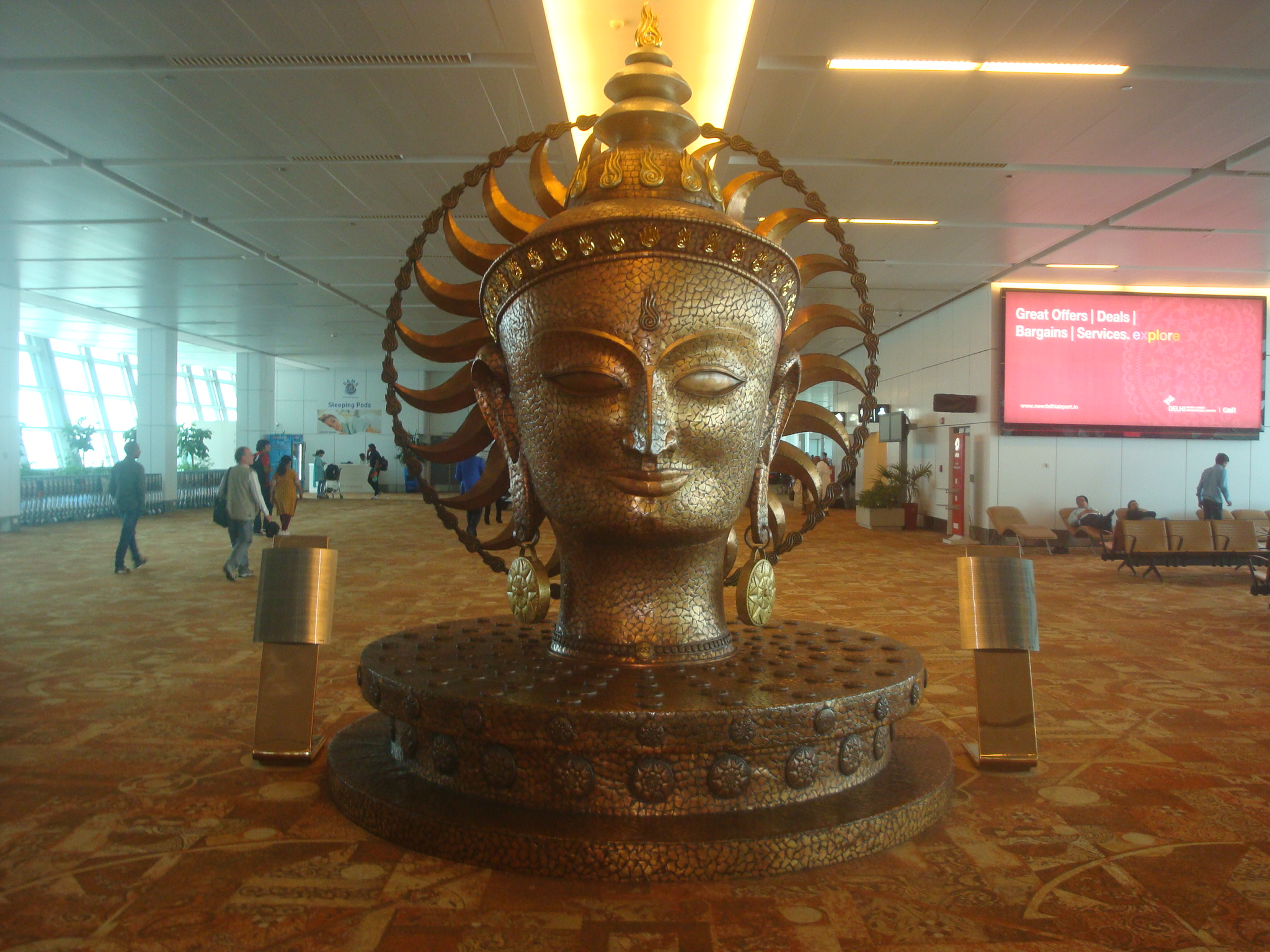
When you picture Surya, the Sun God, do you just see a blazing orb in a chariot? The ancient artists who depicted him gave us far more than that – a rich tapestry of symbols that tell a profound story of cosmic order and spiritual illumination.

You've heard of the sattvic diet as a path to purity and peace, but what if its benefits are rooted not just in scripture, but in observable, measurable science?

In a world saturated with quick fixes for relationship woes, what if the answers lie not in the latest app, but in the 4,000-year-old story of Rama and Sita?

What if the ancient practices of yoga and meditation weren't just traditions, but highly effective tools for rewiring your mind for happiness and resilience?

While many know the Vedas, a vast and equally significant body of scripture, the Agamas, quietly shapes the devotional landscape of Hinduism, guiding everything from temple rituals to personal meditation.

Have you ever wondered about the Hindu tradition that reveres a divine preserver and protector, seen in forms like Rama and Krishna?

In a world constantly redefining "family," what if the ancient wisdom of India offers a blueprint for enduring connection and mutual thriving?

What if the most overlooked characters in Hindu mythology held the keys to unlocking the deepest secrets of the human experience?

Imagine facing an existential crisis on the battlefield, with the weight of the world on your shoulders, and receiving timeless wisdom that still resonates today. This was Arjuna's predicament, and the Bhagavad Gita is his divine answer.

When deadlines loom, relationships fray, and the world feels chaotic, where do we turn for a wisdom that *actually* works? We might be surprised to find it etched in the ancient, often wild, stories of Lord Shiva.

You know Brahma as the Creator of the universe, but why is he conspicuously absent from the daily prayers and grand temples dedicated to other major deities?

When images of Kali arise, so too do visions of fierce destruction; but what distinguishes her primal energy from the protective might of Durga, and why do both embody the ultimate Divine Mother?

Ever wondered why some homes feel naturally calming and uplifting, while others seem to drain your energy? The ancient science of Vastu Shastra offers a profound answer.

Imagine a night filled with joyous singing, the scent of incense, and a palpable sense of divine presence. This is the magic of Janmashtami, the festival celebrating the birth of one of Hinduism's most beloved deities.

What if the ancient yogis who meditated for hours on repetitive sound knew something about neuroscience that we are only now beginning to understand?

You've heard about the sattvic diet – pure, light, and conducive to clarity. But if you're finding your "sattvic" meals are making you stressed or your spiritual practice hasn't improved, you might be making one of these common mistakes.

As the crescent moon ushers in Muharram, a sacred month begins, marked by solemn observances that culminate in Ashura – a day carrying immense spiritual weight, echoing themes of sacrifice and divine justice familiar across traditions.

Are you among the millions who believe Vastu Shastra is just about placing a mirror correctly or avoiding a specific color?

Is Kundalini a fiery serpent waiting to strike, a dangerous force that can shatter your life if awakened incorrectly?

What if the most profound spiritual path wasn't about complex philosophy or arduous asceticism, but simply about loving God?

If you've ever wondered why Rama consistently chooses duty over desire, or why Ravana's arrogance leads to his downfall, you're touching upon the Ramayana's most powerful secret: its characters are living symbols of profound spiritual truths.

Have you ever felt a persistent yearning for something more, a sense that there's a hidden reality beyond everyday experiences?

Do you ever feel like you're fighting a war within yourself, with noble intentions battling against selfish impulses? You're not alone, and the ancient stories of Devs and Asuras have been speaking to this exact struggle for millennia.
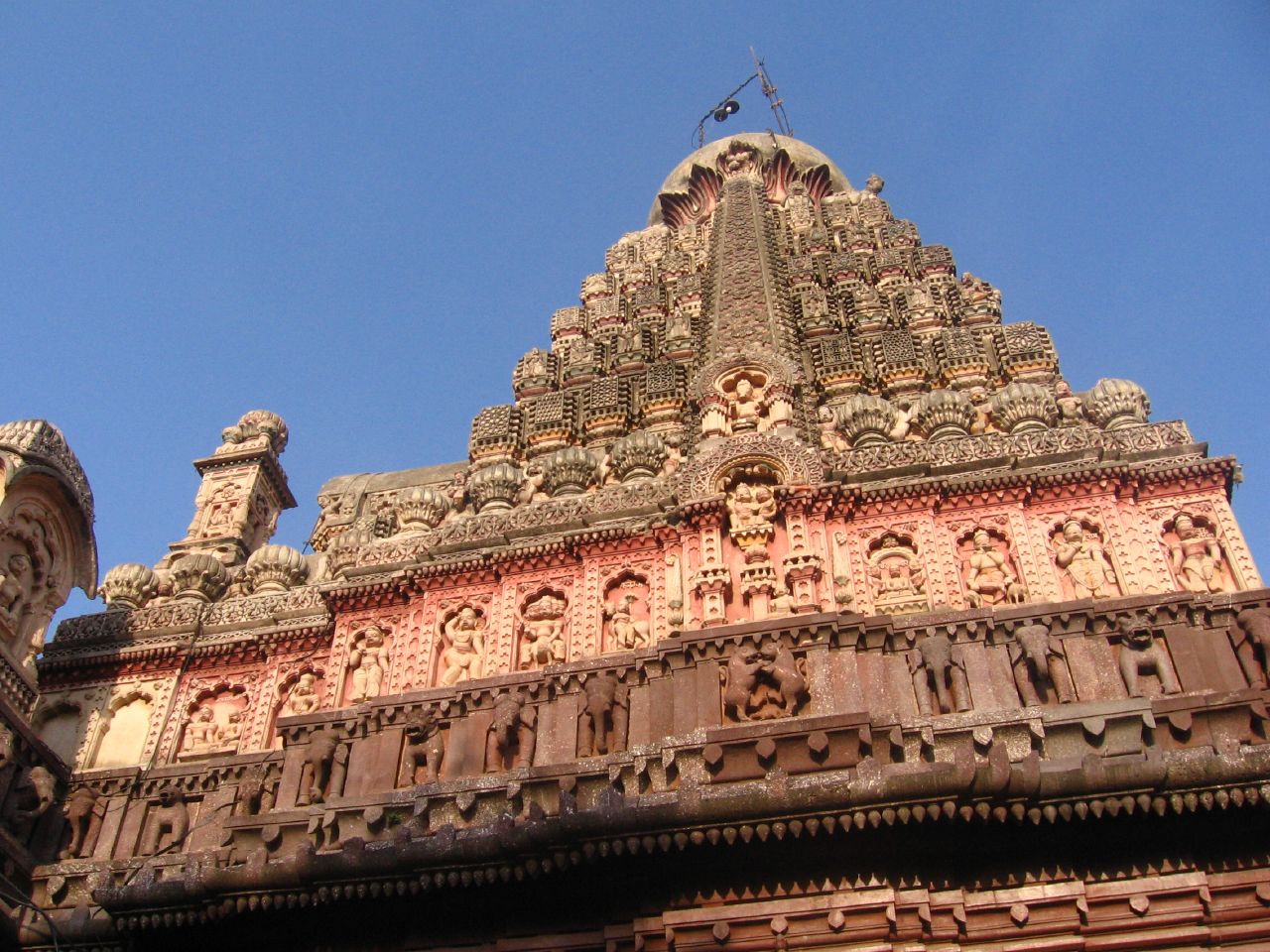
Beyond the grandeur of stone and the chanting of mantras, the twelve Jyotirlinga temples hold within them ancient legends that explain Shiva's fiery descent into our world.

If you've heard that Hinduism teaches reincarnation, you've only scratched the surface; the real story of Samsara is a profound journey through cause, effect, and the illusion of the self.

You meticulously abstained from food, yet the spiritual clarity you sought feels just out of reach. If your vrat often leaves you feeling more drained than divine, you're likely making common mistakes that dilute its true purpose.

What if the greatest lessons of the Ramayana aren't in its grand battles, but in the quiet struggles and profound choices of its central figures?

When you hear "Tantra," what comes to mind? For many, it's a shadowy realm of forbidden practices or a shortcut to worldly desires. But what if the true esoteric significance of Tantra lies in something far more profound – a sophisticated science of consciousness itself?

In the vast ocean of Hindu traditions, you've likely encountered terms like "Guru" and "Teacher," but what truly defines an "Acharya," and why is this role so significant?

You know the Yajurveda is the Veda of sacrificial formulas, but did you know it branches into two distinct rivers of knowledge—Shukla and Krishna—each with its own landscape of hymns and organization?

Have you ever encountered a Sanskrit verse so potent, so concise, that it felt like a perfectly cut diamond? These are the subhashitas, and their power lies not just in their message, but in the very fabric of their language.

If you've ever encountered images of a benevolent blue deity with a conch shell and discus, you've likely met Vishnu, the heart of one of Hinduism's most ancient and vibrant traditions: Vaishnavism.

When you think of the Mahabharata, who comes to mind? Draupadi's plight? Krishna's counsel? Karna's tragic valor? While these figures loom large, the epic's true genius lies in its forgotten characters, whose subtle yet pivotal roles offer profound lessons for our own lives.

Have you ever wondered why some days you feel energetic and clear-headed, while others are filled with inertia and confusion? The ancient Indian tradition offers a profound explanation: the three Gunas.

You've heard Shiva is the Destroyer, that he dances wildly, that he drinks poison. But what if these iconic tales are not just dramatic narratives, but profound allegories for your own spiritual journey?

Have you ever wondered why the ancient tales of Devas and Asuras continue to resonate, offering guidance on everything from ethics to the very nature of reality?

Do your spiritual practices feel like a to-do list, completed without true connection?

In a world of endless deadlines and digital noise, the idea of an all-night vigil might seem like another item on your to-do list. But what if Mahashivratri is actually the ultimate productivity hack for your soul?

Before horoscopes filled magazine pages, ancient Indian sages gazed at the stars, not just to predict fortunes, but to decipher the very rhythm of the cosmos and its connection to human destiny.

When you hear "Shiva," what images come to mind? Perhaps the Tandava dance, the trident, the third eye, or the vast cosmic destruction. But what if the most profound aspects of Mahadeva lie hidden in tales rarely told?

What if the endless cycle of birth, death, and rebirth—samsara—isn't an inescapable fate, but a puzzle that can be solved to achieve ultimate freedom?

Who is Kartikeya, this powerful god of war, and where did his story truly begin?

Imagine a sacred geography woven from myths, legends, and the raw power of the Divine Mother herself – this is the essence of the Shakti Peethas.

We all know Rama’s exile, Krishna’s childhood antics, and Shiva’s cosmic dance. But what if the most potent lessons lie in the Puranas' forgotten corners?

In the vast landscape of Hindu traditions, you'll often hear about gurus, saints, and spiritual masters. But who is an Acharya, and what makes their role unique?

Is Krishna just a mischievous child, a divine lover, or a divine warrior? While these images are iconic, they often overshadow the deeper philosophical truths and the multifaceted nature of this beloved deity.

You know the story of the Pandavas and Kauravas, the dice game, and the epic war. But what if the Mahabharata holds secrets far more profound than just a dynastic struggle?

You’ve heard that Shraddha is about feeding ghosts or appeasing angry ancestors, but what if the true purpose is far more empowering and deeply spiritual?

Is karma a cosmic judge, tallying your good and bad deeds for an afterlife verdict? The reality is far more nuanced, and understanding it can transform how you live today.

What if the stories of baby Krishna stealing butter, playing the flute, and dancing with the Gopis were not just charming anecdotes, but cosmic metaphors for your own spiritual awakening?

Do you believe Shraddha is simply about feeding hungry ghosts or bribing departed souls for good luck? You're not alone, but this popular notion misses the profound spiritual core of these essential rites.

Where did Hinduism begin? The answer isn't a single date or place, but a captivating journey through millennia of evolving beliefs, practices, and cultures.

Ever wondered if there's a hidden blueprint to living a good life, a purpose that goes beyond daily tasks and personal desires?

What if the greatest heroes of Hindu mythology weren't just born good, but had to constantly fight their own inner darkness, and sometimes, lost?

You've heard about the sattvic diet, but what does it *really* mean to eat for spiritual clarity, and how do you actually do it without turning your kitchen into a yoga retreat?

You've been chanting the mantra for weeks, maybe months, but the peace and clarity promised by japa remain elusive. What if you're making one fundamental error?

In today's hyper-competitive world, leaders often feel caught between demanding performance metrics and the gnawing emptiness of a life lacking deeper purpose.

When you hear "Deva vs. Asura," what comes to mind? A cosmic battle of good versus evil, perhaps? While superficially true, these ancient Indian narratives are far richer, holding keys to understanding the very fabric of consciousness and our own spiritual journey.

We celebrate Rabindranath Tagore as India's greatest poet, but what if his birthday holds a deeper spiritual resonance, echoing ancient Hindu wisdom?

What if Rabindranath Tagore's birthday wasn't just about remembering a Nobel laureate, but about tapping into a timeless spiritual current that flows through his every word and deed?

What if Rabindranath Tagore's birthday offered more than just a tribute to a poet; what if it was an invitation to awaken a deeper, universal consciousness within ourselves?

Imagine a health system that doesn't just treat symptoms, but understands you as a unique individual, offering personalized paths to vibrant well-being.

When you see an image of Kartikeya, what comes to mind? Perhaps a handsome warrior astride a peacock, or a divine child with a gleaming spear. But these iconic symbols are far more than mere decorations; they are a rich visual language telling the epic story of one of Hinduism's most dynamic deities

If you’ve ever wondered how ancient texts like the Manusmriti guide modern life, you’ve likely encountered confusion. The truth is, interpreting the Dharma Shastras is an art, not just a science.

When you think of the Ramayana and Mahabharata, do images of valiant warriors and epic battles immediately flood your mind? What if we told you the true power dynamics and spiritual lessons lie equally, if not more so, within the lives of the women at the heart of these ancient tales?

Imagine a being of immense power, capable of leaping oceans and carrying mountains, yet whose greatest strength lies not in his might, but in his humble devotion to a human prince.

Imagine a universe in a circle, a map of consciousness captured in vibrant colors and intricate patterns. This is the essence of a mandala.