
Your First Step into the Wisdom of the Gita
You're standing at a crossroads, overwhelmed by doubt and confusion, with no clear path forward, and the weight of your decisions feels like it's crushing you. This is where Arjuna found himself, on the eve of a great battle, as he faced off against his own kin, his mind torn apart by the thought of fighting those he loved. His charioteer, Krishna, senses his distress and begins to offer words of guidance that would change the course of his life. Their conversation, which unfolds in the Bhagavad Gita, is a rich and complex exploration of the human condition, one that delves into the nature of duty, action, and the self. As Krishna speaks, he weaves together concepts of dharma, karma, and yoga, offering a profound and nuanced understanding of how to live a life of purpose and meaning. You've heard of karma, but what does it really mean to act without being attached to the outcome.
The Setting: A Battlefield of Dilemmas

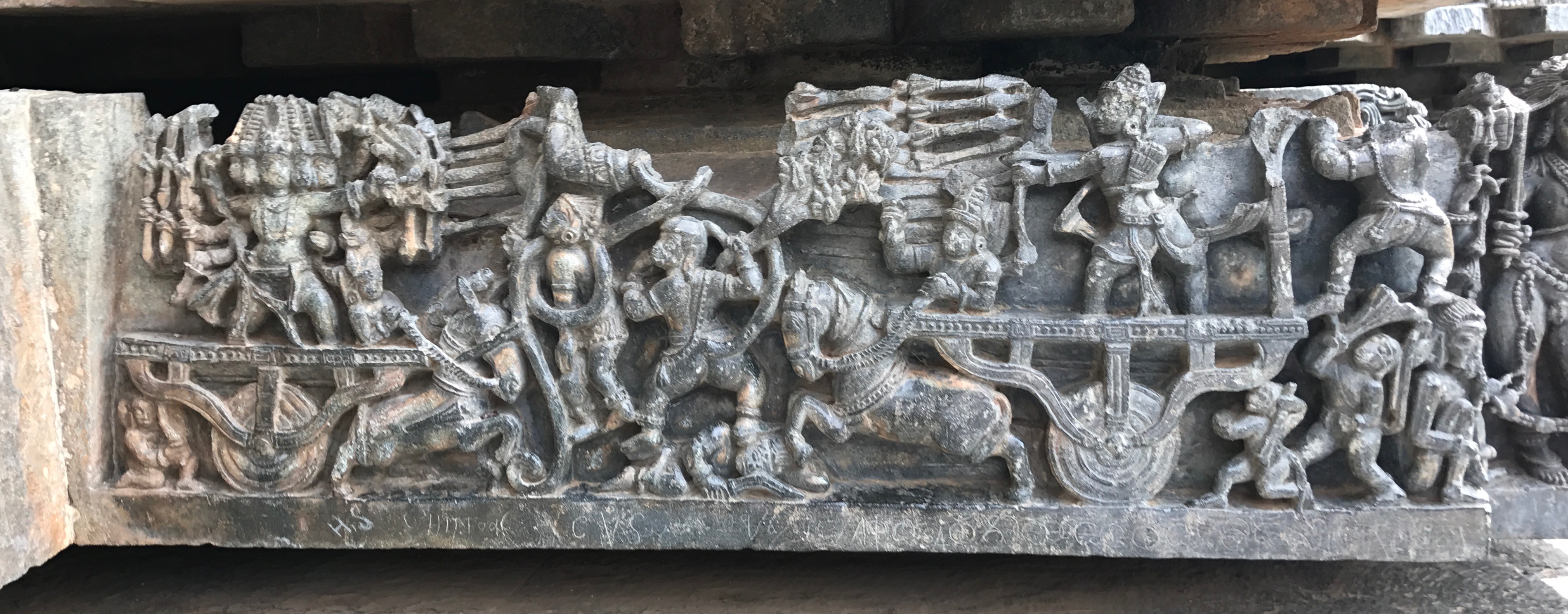
Arjuna's crisis on the battlefield is a moment of raw emotion, as he's faced with the prospect of fighting his own kin. The Mahabharata war has set the stage for this dramatic confrontation, with Arjuna's chariot positioned between the two armies, his heart heavy with despair. Lord Krishna, his divine charioteer and teacher, looks on as Arjuna grapples with the moral implications of his actions. As a Kshatriya, a warrior, Arjuna's duty is clear: he must fight to protect his kingdom and uphold his family's honor. But his aversion to causing harm and death is just as strong, leaving him torn between two conflicting desires. You've got a sense of the turmoil he's experiencing, and it's not hard to see why his dilemma has become a universal metaphor for human struggle. Krishna's presence is a turning point, as he prepares to offer Arjuna guidance and wisdom in the face of this existential crisis. Arjuna's story is one that transcends time and culture, speaking to the deepest concerns of human existence: how to act in the face of uncertainty, how to balance duty and compassion, and how to find a path that's true to oneself. That's what makes his crisis so relatable, even in the midst of a ancient epic war. His struggle is our struggle, a reminder that the search for meaning and purpose is a fundamental aspect of the human experience.
The Three Pillars of Gita Wisdom: Dharma, Karma, and Yoga

Arjuna's crisis on the battlefield is a powerful example of the struggle to fulfill one's dharma, or inherent duty. It's not just about following a set of rules or religious dogma, but about finding your purpose and living a righteous path. For Arjuna, his dharma as a warrior is to fight, but his compassion and empathy are pulling him in the opposite direction. This inner conflict is a classic illustration of the complexity of dharma, and how it can be both a guiding principle and a source of tension. You've probably heard of dharma in the context of Hinduism, but it's more than that - it's about living a life that's true to who you are.
Krishna's teachings offer a way out of this dilemma, through the practice of Karma Yoga, or the path of action without attachment to results. It's not just about doing good deeds, but about performing actions without being driven by a desire for specific outcomes. This approach can be tricky to grasp, as it requires a level of detachment and equanimity. Krishna emphasizes that true freedom lies in letting go of our ego's need for control and recognition, and instead, focusing on the action itself. That's a tough pill to swallow, especially when we're used to measuring our self-worth by our accomplishments.
Krishna also teaches Bhakti Yoga, the path of devotion, which involves surrendering to the divine with love and reverence. This approach is all about cultivating a deep sense of connection and intimacy with the ultimate reality. It's not just about intellectual understanding, but about experiencing a sense of oneness and unity with all existence. Jnana Yoga, the path of knowledge, is another approach that Krishna touches upon, which involves gaining insight into the nature of reality and the self. It's a more philosophical approach, one that requires a deep understanding of the workings of the mind and the world. Don't think you can just pick one, though - these paths are intertwined, and they inform and enrich each other in complex ways.
Practical Application: Finding Peace in Action and Detachment

Detachment, or vairagya, is a concept that can feel counterintuitive in today's fast-paced, outcome-driven world, yet it's precisely this mindset that can help navigate emotional turmoil, grief, and disappointment. By letting go of our attachment to specific outcomes, we can focus on the task at hand, much like the principle of Karma Yoga suggests. This approach can be particularly powerful in professional life, where stress and burnout often stem from an overemphasis on results. When you focus on the task, not the outcome, you're more likely to find a sense of calm and clarity in your work.
Understanding one's Dharma, or life purpose, can also provide clarity and direction in personal and career decisions, reducing feelings of aimlessness. It's not about finding a single, definitive answer, but rather about cultivating a sense of awareness and alignment with your values and passions. This, in turn, can inform your decisions and help you stay grounded, even in the face of uncertainty. You've probably experienced moments where you felt fully engaged and motivated - that's often a sign that you're aligned with your Dharma.
Practicing Bhakti Yoga, or devotion, can take many forms, even in a secular sense. It might mean dedicating yourself to a cause or a craft, and finding a sense of purpose and connection in that work. This approach can help you transcend the idea that your work is just a means to a paycheck, and instead, see it as a way to contribute to something larger than yourself. That's a powerful shift, one that can bring a sense of fulfillment and joy to your daily life. It's a perspective that can help you find peace in action, and that's what the Gita's wisdom is all about.
References - How to Start Reading Bhagavad Gita: Complete

If you're new to the Bhagavad Gita, it's best to start with a translation that includes the original Sanskrit text, as this can help you understand the nuances of the language. You've probably heard that the Gita is a complex text, and that's true, but don't let that intimidate you. The key is to find a translation that resonates with you, and to read it slowly, taking time to reflect on each verse. It's also a good idea to start with a guide or commentary, as this can help you understand the context and significance of each chapter. You can find many resources online that provide a complete guide to reading the Bhagavad Gita, including study plans and discussion groups. As you begin to read the Gita, you'll likely find that it's a text that rewards slow and careful reading, and that its wisdom can be applied to many areas of your life. That's what makes it such a powerful and enduring spiritual text. It's a book that can help you find peace in action, and that's a gift that can stay with you for the rest of your life.
Frequently Asked Questions
The Bhagavad Gita is not just for religious people, it's a text that offers universal philosophical insights. You don't have to be a Hindu or follow any specific faith to benefit from its teachings on duty, action, and inner peace. Its principles are applicable to anyone seeking wisdom, regardless of their background.
You don't need to be a scholar to understand the Bhagavad Gita, that's not a requirement. Many translations and commentaries are available that can help beginners grasp its core teachings. These resources can provide a clear and concise understanding of the text, making it accessible to everyone.
The main message of the Bhagavad Gita is to perform one's duty with selfless action and devotion, leading to spiritual liberation and inner peace. It teaches you to focus on the action itself, rather than the outcome, and to cultivate a sense of detachment. By following this path, you can achieve a deeper understanding of yourself and the world around you.
Your Personal Journey with the Gita
The Bhagavad Gita provides a profound framework for understanding life's purpose and challenges. It's a guide that's been helping people navigate complexity for centuries. By practicing Dharma, Karma Yoga, and Bhakti, you can achieve inner peace and fulfillment. Begin your exploration by reflecting on one aspect of your daily life where you can practice action without attachment to the outcome. This simple shift in perspective can have a profound impact on your life, and that's a journey worth taking.
Sources & References
- How to Start Reading Bhagavad Gita: Complete
- Learn the Bhagavad Gita | Beginner's Guide & Study Path
- Bhagavad Gita for Beginners | Step-by-Step Guide to Begin ...
- Always wanted to read the Bhagavad Gita but didn't know ...
- 30 Days to Understanding the Bhagavad Gita: A Complete ...
- How should I start reading the Bhagavad Gita as a ...
- How to Start Reading The Bhagavad Gita
- The Bhagavad Gita for Daily Living, Volume 1