
Beyond the Epic — The Human Heart of the Ramayana
What if the greatest lessons of the Ramayana aren't in its grand battles, but in the quiet struggles and profound choices of its central figures, like the moment Rama decides to honor his father's vow over his own desire for the throne. This choice isn't just a plot point, it's a window into the complexities of dharma, where personal duty and public expectation collide. Rama's inner conflict is one you've likely faced before, where the right thing to do isn't the easy thing to do. It's in these character-defining moments that the Ramayana reveals its depth, making its ancient characters feel surprisingly relatable. You've seen people like Rama, who embody a sense of righteous duty, even when it's hard, and you've wondered how they find the strength to make those tough choices.
Rama — The Ideal King and Embodiment of Dharma

Rama's life is a stark reminder that adhering to dharma, or righteous duty, can be a brutal test of character, one that he faces head-on when he's exiled to the forest. This concept of dharma, as embodied by Rama, is rooted in the idea of maryada purushottam, or the perfect man, who upholds the principles of justice and morality even when it involves personal sacrifice. His exile, a result of his father's vow, is a pivotal moment in the Ramayana, showcasing Rama's unwavering commitment to his duty as a son and a prince. It's a short step from here to see how his actions are informed by the philosophical underpinnings of Advaita Vedanta, which posits that the divine can manifest in human form, and that upholding cosmic order is a fundamental aspect of human duty.
Rama's decisions, such as renouncing the throne and his later actions concerning Sita, are guided by his unwavering commitment to truth and duty. He's a king who rules with a strong sense of justice, always striving to maintain balance and order in the world. This commitment to dharma is not just a philosophical concept, but a living, breathing part of his daily life. You've seen leaders like Rama, who put the needs of others before their own, and it's inspiring.
The tension between personal happiness and public duty is a recurring theme in Rama's life, and it's a conflict that many leaders can relate to. How do you balance your own desires with the needs of the people you're serving? It's a difficult question, and one that Rama grapples with throughout the Ramayana. His story offers a framework for understanding similar conflicts in modern leadership, and it's a reminder that true leadership is not just about personal gain, but about serving others. Rama's life is a powerful example of this, and it's a lesson that still resonates today.
Sita — The Strength and Sacrifice of Feminine Dharma

Sita's choice to return to the earth is a profound assertion of self-respect, a rejection of unjust societal judgments that questioned her purity. This act is often misunderstood as a sign of weakness, but it's actually a powerful statement of agency and integrity. By refusing to submit to the expectations of others, Sita embodies the strength and resilience that defines her character throughout the Ramayana. Her dharma as a devoted wife and queen is rooted in her unwavering loyalty and support for Rama, demonstrating a deep understanding of her role and responsibilities.
As a pativrata, Sita's commitment to Rama is unshakeable, even in the face of extreme adversity, such as her captivity in Lanka. During this ordeal, Sita's inner strength and moral compass are tested, and she refuses to compromise her principles, even when faced with the temptation of a life of luxury and comfort. This inner purity is a key aspect of her character, and it's what allows her to maintain her dignity and self-respect, even in the darkest of circumstances.
The philosophical interpretations of Sita's ordeal are complex and multifaceted, offering critiques of societal expectations of women and the concept of inner purity versus external perception. Some see her story as a commentary on the ways in which women are judged and evaluated by society, often based on external factors rather than their inner character. Others view her experiences as a testament to the enduring power of dharma and the importance of staying true to one's principles, regardless of the circumstances.
Sita's story is a powerful reminder that true strength and resilience can take many forms, and that sometimes the most profound acts of courage are those that are quiet and unassuming. Her legacy continues to inspire and empower people to this day, offering a profound lesson in the importance of staying true to oneself, even in the face of overwhelming adversity, and that's what makes her character so enduring and relatable.
Lakshmana and Hanuman — The Pillars of Devotion and Service

Lakshmana's unwavering dedication to Rama is a powerful example of fraternal duty, or bhratridharma, where he prioritizes his brother's needs above his own, even when faced with personal hardship and emotional strain. His intense devotion is rooted in a deep sense of loyalty and responsibility, which drives him to stand by Rama's side through thick and thin. This duty-bound loyalty is distinct from Hanuman's pure, love-driven devotion, which is characterized by his unwavering faith and selfless service. Hanuman's strength and humility make him the ultimate devotee, or bhakta, and servant, or sevak, as he embodies the principles of unconditional support and loyalty.
Hanuman's character serves as a fascinating contrast to Lakshmana's, as his devotion is not driven by a sense of duty, but rather by a deep love and affection for Rama. This love-driven devotion allows Hanuman to transcend his own limitations and achieve extraordinary feats, demonstrating the power of selfless service and unwavering faith. Both Lakshmana and Hanuman play crucial roles in supporting Rama's mission, with Lakshmana providing a sense of stability and familiarity, while Hanuman brings a sense of excitement and unpredictability. Their examples offer practical insights into navigating relationships based on loyalty, service, and unconditional support, highlighting the importance of embracing different forms of devotion and service in our own lives.
The stories of Lakshmana and Hanuman remind us that loyalty and service can take many forms, and that both duty-bound loyalty and love-driven devotion are essential for building strong, supportive relationships. By embracing these principles, we can cultivate deeper, more meaningful connections with others, and develop the strength and resilience needed to navigate life's challenges. Their legacies continue to inspire and guide us, offering a profound lesson in the importance of staying true to ourselves and others, even in the face of adversity, and that's what makes their characters so enduring and relatable.
Ravana — The Tragic Foil and the Perils of Ego

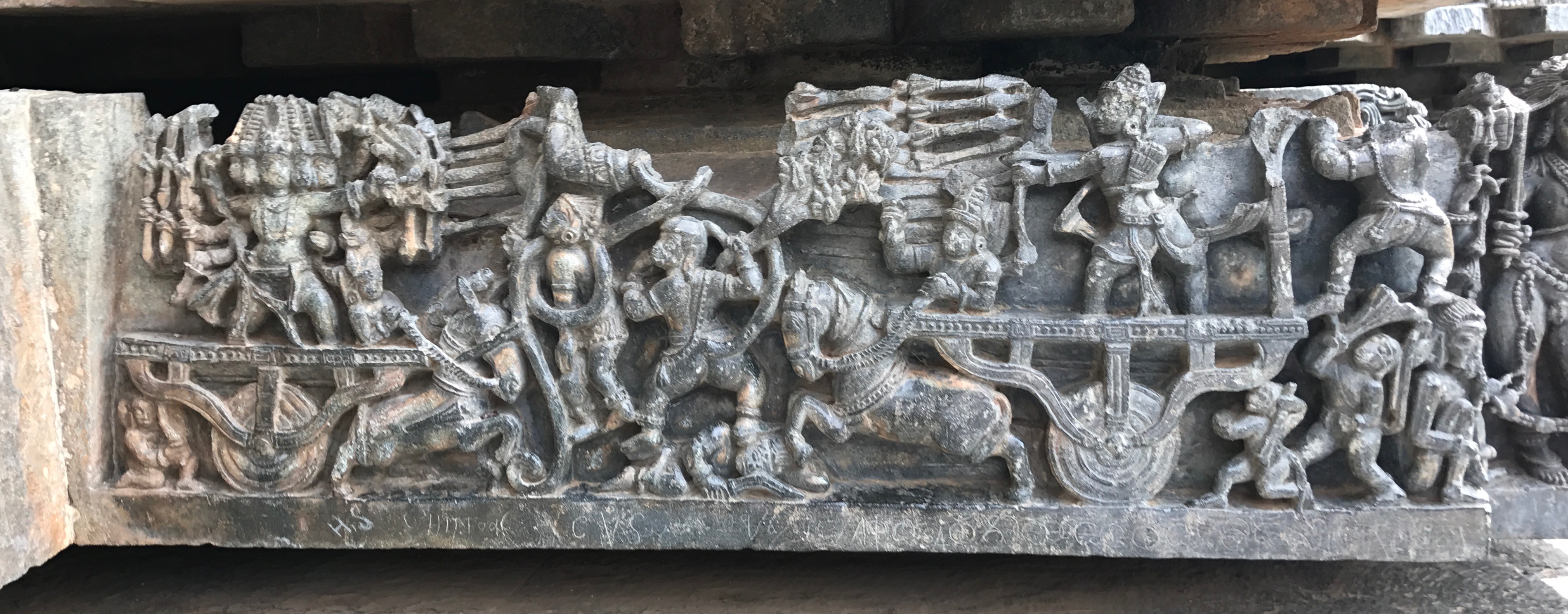
Ravana's story is a stark warning against the dangers of unchecked pride, as his immense knowledge and tapas were corrupted by ego and desire. He was a powerful, learned king, but his actions were driven by arrogance and lust, directly contravening dharma. This corruption led to his inevitable downfall and the suffering of his kingdom. His character serves as a critical cautionary tale about the destructive nature of ego and unrighteousness.
Ravana's downfall can be attributed to his failure to align power with righteousness, a lesson that still resonates today. His story highlights the importance of ethical leadership and personal integrity, demonstrating what happens when these values are neglected. The Advaita concept that the ego is the primary obstacle to realizing one's true divine nature is particularly relevant to Ravana's character, as his ego and desire consumed him, preventing him from realizing his true potential.
Ravana's immense knowledge and tapas were not enough to save him from his own flaws, and his story serves as a reminder that true strength and wisdom come from balancing power with righteousness. His tragic fate is a reminder that dharma is not just a moral code, but a way of living that requires constant self-reflection and awareness. You've likely heard the phrase "pride comes before a fall," and Ravana's story is a classic example of this, a cautionary tale that continues to inspire and warn us to this day. Ravana's legacy is a complex one, and it's a reminder that even the most powerful among us can fall victim to the perils of ego and desire.
Echoes of Dharma in Our Own Lives
The Ramayana's characters, from Rama's duty to Sita's resilience, Lakshmana's loyalty, Hanuman's devotion, and Ravana's ego, offer timeless blueprints for living a dharmic life. By studying their virtues and failings, we gain profound insights into navigating our own moral and ethical landscapes with greater wisdom. This epic story invites us to reflect on our own adherence to dharma in our daily choices and relationships. Reflect on one character from the Ramayana whose journey resonates with a challenge you are currently facing, and consider how their approach to dharma might offer guidance. You've likely found yourself in situations where you had to choose between duty and desire, and that's where the Ramayana's characters can help. Their stories can guide you to make more mindful decisions.
Sources & References
- [PDF] Exploring Human Values in the Epic Ramayana
- Character Analysis in the Ramayana | PDF | Sita | Rama - Scribd
- The Ramayana Character Analysis - LitCharts
- Lakshman in Ramayana: A Step-by-Step Character Study
- Ramayana - Wikipedia
- Every Character in the Ramayana Teaches a Lesson—from Child to ...
- Ramayana: The Psychological Analysis of the Hindu Epic
- Ramayana | Summary, Characters, Themes, & Facts - Britannica