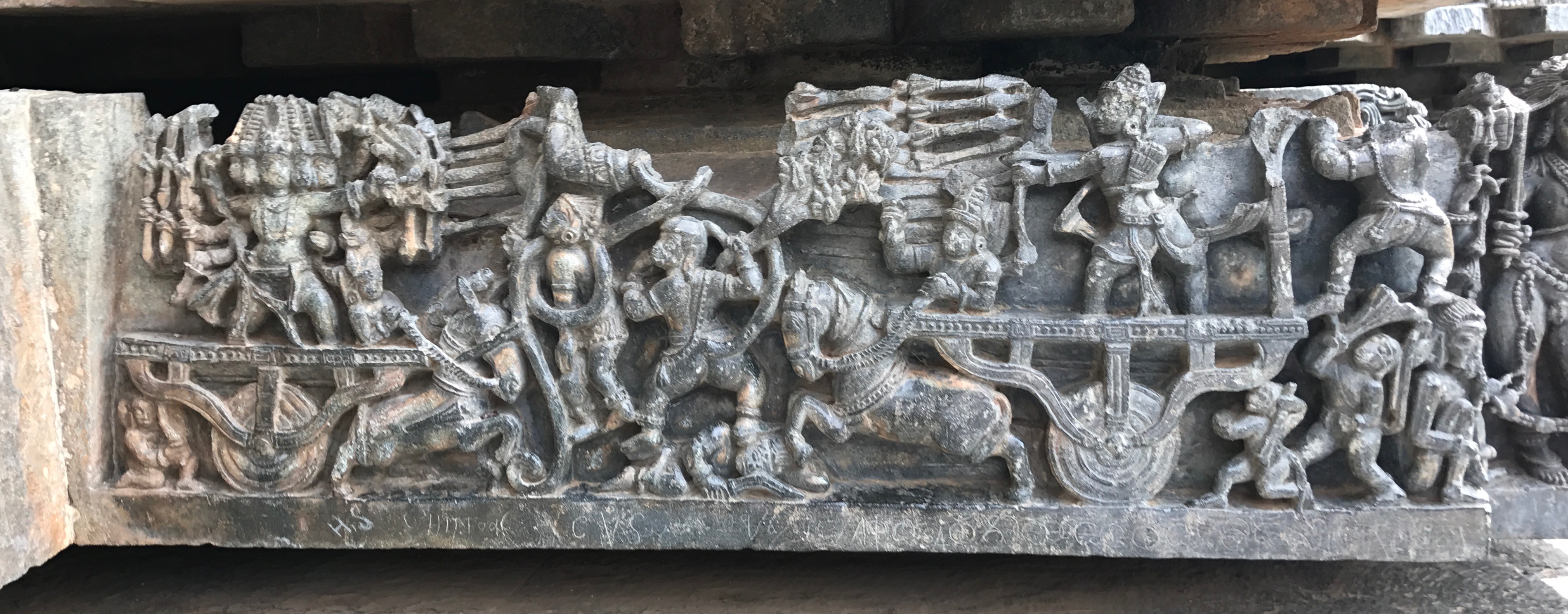
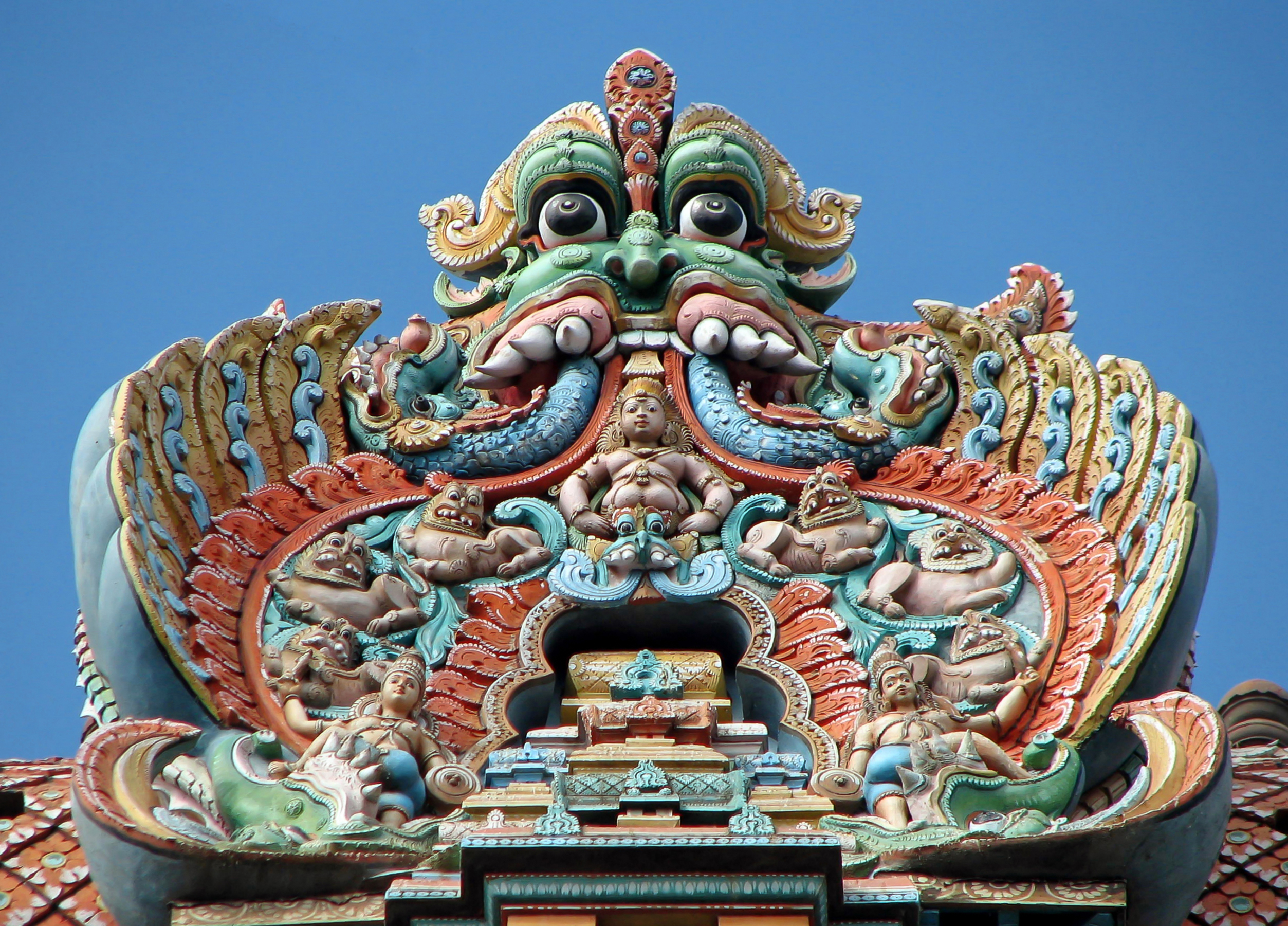
Beyond the Epic — Unpacking the Souls of the Ramayana
What if the Ramayana isn't just about Rama's victory, but about the internal battles and unique dharmic paths of everyone touched by his journey? Rama's own dharma is tested when he's forced to choose between his duty as a king and his love for Sita. You've got characters like Lakshmana, who embodies loyalty and selflessness, yet also struggles with his own rage and sense of justice. The Ramayana is full of these complex figures, each with their own understanding of what it means to live a dharmic life. That's what makes it so compelling - it's not just a story about good vs evil, but a nuanced exploration of human nature and the many facets of dharma. It's a story that raises tough questions about how to navigate our own lives and ethical dilemmas, and the characters' struggles and triumphs offer valuable insights.
Rama — The Embodiment of Ideal Dharma (Maryada Purushottam)

Rama's character is often described as Maryada Purushottam, the embodiment of ideal dharma, and it's fascinating to see how he adheres to duty, truth, and righteousness, even when it goes against his personal desires. His unwavering commitment to dharma is evident in the way he accepts exile to uphold his father's promise, leaving behind the comforts of his kingdom and family. This decision is a critical juncture in the story, as it shows Rama prioritizing his duty to his father and the kingdom over his own personal happiness. It's a tough choice, and one that sets the tone for the rest of the narrative.
Rama's actions, even when they cause suffering, are presented as necessary for maintaining cosmic and social order, or loka-samgraha. This idea is central to the Ramayana, and it raises important questions about the nature of dharma and how it should be upheld. Rama's decision to banish Sita, for example, is a difficult one, and it's a moment where his duty as a king and a husband come into conflict. He chooses to prioritize his duty as a king, and the needs of his kingdom, over his personal feelings for Sita.
The Advaita Vedanta perspective sees Rama as a manifestation of Brahman, the ultimate reality, while the Dvaita view sees him as the supreme divine personality. Both perspectives inform his character, and they offer different insights into his actions and motivations. The Advaita view emphasizes Rama's role as a symbol of the divine, while the Dvaita view sees him as a more personal, relatable figure. This tension between the two perspectives adds depth and complexity to Rama's character, and it highlights the many different ways that he can be understood and interpreted.
It's interesting to note that Rama's character is not just a static embodiment of ideal dharma, but a dynamic and nuanced figure who grapples with the challenges of upholding dharma in a complex and often difficult world. His story is a powerful exploration of the human condition, and it offers valuable insights into the nature of duty, morality, and personal responsibility. Rama's journey is a compelling one, and it continues to captivate audiences to this day, inviting us to reflect on our own values and principles.
Sita — The Strength of Purity and Steadfastness (Dharma Patni)

Sita's character is a fascinating paradox, embodying both the traditional ideal of the devoted wife and a profound inner strength that defies societal expectations. As the Dharma Patni, or the ideal wife, Sita's loyalty and devotion to Rama are unwavering, and she shares his commitment to upholding dharma. Her role is not just one of passive obedience, but an active partnership in Rama's journey, as she accompanies him into exile and endures countless hardships alongside him. You've probably heard of her abduction by Ravana, but what's striking is how she maintains her inner integrity and purity throughout her ordeal.
The trials Sita faces are a testament to her unyielding spirit, from the agni pariksha, or trial by fire, to her subsequent banishment from Ayodhya. These events are often seen as a crucible, refining her character and demonstrating her unwavering commitment to dharma. Theological interpretations of Sita's character are complex and multifaceted, with some debates focusing on the nature of her purity and the societal implications of such scrutiny. That's a tension that's still present today, as people grapple with the consequences of holding women to impossibly high standards of purity and behavior.
Despite the suffering she endures, Sita's character represents an unyielding inner strength that defines her own dharmic path. Her story is a powerful exploration of the human condition, and it offers valuable insights into the nature of duty, morality, and personal responsibility. Sita's strength is not just a product of her relationship with Rama, but a reflection of her own inner purity and steadfastness. It's a quality that's hard to put into words, but it's what makes her such a compelling and relatable figure. Her character continues to captivate audiences, inviting us to reflect on our own values and principles, and to consider the complex position of women in upholding dharma within societal constraints. Sita's story is a reminder that true strength lies not in external circumstances, but in the unwavering commitment to one's own values and principles.
Lakshmana, Bharata, and Hanuman — The Pillars of Devotion and Duty

Lakshmana's loyalty to Rama is a powerful expression of dharma, one that prioritizes his elder's command above all else, even personal hardship. His decision to accompany Rama into exile, leaving behind the comforts of the palace, is a testament to the unwavering commitment of a brother and protector. This loyalty is not blind, however, as Lakshmana is also willing to question Rama's decisions when he feels they are unjust, demonstrating a nuanced understanding of dharma. He's a complex character, driven by a sense of duty and responsibility.
Bharata's dilemma, on the other hand, presents a unique challenge to his own understanding of dharma. As Rama's regent, he must navigate the complexities of ruling a kingdom while remaining faithful to his brother's rightful claim to the throne. His decision to rule as Rama's regent, rather than seeking to claim the throne for himself, is a remarkable example of righteous governance. Bharata's actions demonstrate a deep understanding of dharma, one that prioritizes the well-being of the kingdom and its people above personal ambition. He returns the kingdom to Rama upon his return, upholding dharma through his selfless actions.
Hanuman's character represents the epitome of selfless devotion and service, embodying the principles of bhakti and seva. His unwavering faith in Rama and his courage in the face of overwhelming obstacles are a powerful reminder of the transformative power of devotion. Hanuman's actions are driven by a desire to serve Rama, rather than personal gain or recognition, and it's this selflessness that allows him to overcome even the most daunting challenges. The contrast between Lakshmana's loyalty, Bharata's governance, and Hanuman's devotion highlights the multifaceted nature of righteous conduct, demonstrating that dharma can be expressed in many different ways. Each of these characters brings their own unique perspective to the concept of dharma, illustrating the complexity and depth of this fundamental principle. The stories of these characters continue to inspire and guide us, offering a profound insight into the human experience.
Ravana — The Tragic Foil of Dharma (Adharma Incarnate)

Ravana's character is a complex study of how immense power and knowledge can be corrupted by ego and desire, making him a compelling foil to the concept of dharma. His prodigious learning and scholarly achievements are undeniable, as he's known for his mastery of the Vedas and his performance of severe tapas, or austerities, which granted him extraordinary abilities. This isn't a simple villain, but a being of great intellect and spiritual discipline. You've got to consider his background to understand how he fell so far.
His downfall begins with his ego, or ahamkara, which fuels his lust for power and women, particularly his desire for Sita. This desire leads him to commit a grave transgression of dharmic principles, abduction, which is a stark example of adharma in action. Adharma represents the extreme deviation from righteous conduct, and Ravana's actions embody this concept, highlighting the destructive potential of unchecked desires.
It's interesting to note that Ravana's story serves as a cautionary tale about the dangers of a distorted sense of entitlement, even for the learned. His character shows that knowledge and power aren't enough to guarantee a life of righteousness, and that the pursuit of desire can lead even the most accomplished individuals down a path of destruction. This tension between knowledge and desire is a crucial aspect of Ravana's character, and it's what makes him such a compelling and tragic figure. He's a reminder that dharma is not just about knowledge, but about the actions that follow from that knowledge, and that even the most powerful among us can fall victim to our own desires.
The Living Dharma in Every Character
The Ramayana's characters are not archetypes but deeply human portrayals of dharma in action, showcasing its complexities and challenges. Each figure, from Rama to Ravana, offers unique insights into the practice of righteousness, devotion, duty, and the consequences of their absence. You've seen how these characters navigate the nuances of dharma, and that's what makes their stories so relatable. Reflect on which Ramayana character's dharmic journey resonates most with your current life situation and consider how their choices might guide your own. That's where the true value of the Ramayana lies, in its ability to help us understand dharma and its relevance to our own lives.
Sources & References
- Character Analysis in the Ramayana | PDF | Sita | Rama
- The Ramayana Character Analysis | LitCharts
- The Ramayana: Analysis of Major Characters
- Ramayana | Summary, Characters, Themes, & Facts | Britannica
- Ramayana - Wikipedia
- What can be learnt from different characters in Ramayana?
- Ramayana: The Psychological Analysis of the Hindu Epic
- Who are the main characters in the Ramayana, and what ...