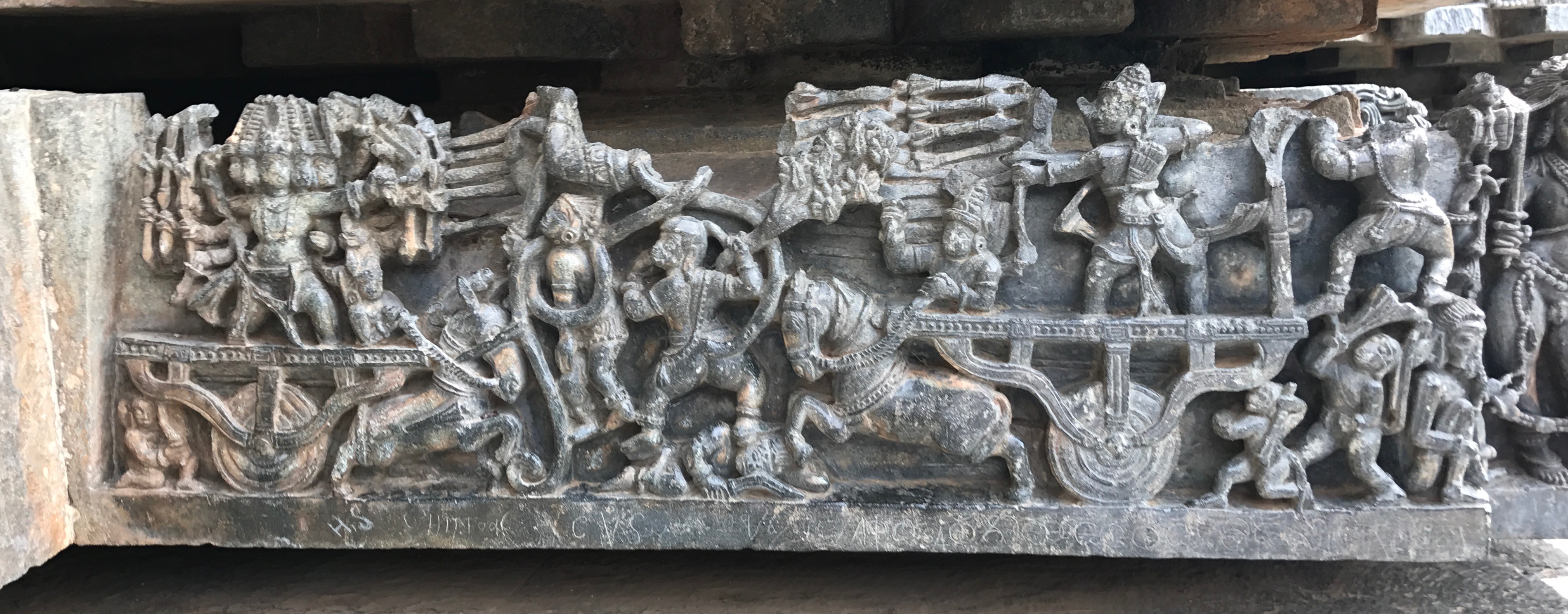

Unveiling the Yajurveda's Enduring Wisdom
A sacred text that doesn't just describe rituals, but breathes life into them, explaining the 'why' behind every chant and offering - that's the essence of the Yajurveda's commentary. It's in the Yajurveda that we find mantras like ఓం శాంతిః శాంతిః శాంతిః (Om ShantiH ShantiH ShantiH), or Om ShantiH ShantiH ShantiH, which is chanted to invoke peace. This mantra, often recited at the beginning and end of rituals, serves as a reminder of the interconnectedness of all things. You've likely heard it before, but have you stopped to consider what it's actually saying - that peace is not just a state, but a process of harmony that underlies all of existence. The Yajurveda's focus on the practical application of these mantras reveals a profound understanding of the universe, one that's still relevant today. It's a text that shows how ritual action can be a doorway to spiritual understanding, and that's what makes it so compelling.
The Yajurveda as the Veda of Sacrificial Knowledge

The Yajurveda stands out in the Vedic canon for its focus on sacrificial rituals, earning it the title of Veda of Sacrificial Knowledge. It's primarily a collection of sacrificial formulas, known as yajus, which the Adhvaryu priest would use during rituals. These formulas include mantras like the iconic ॐ श्री महागणाधिपतये नमः, Om Shri Maha-Ganadhipataye Namah, which invokes the divine presence in ritual sacrifice. The Yajurveda has three main recensions: the White, or Shukla, and the Black, or Krishna, with the Taittiriya recension being a part of the Black Yajurveda.
The White Yajurveda is notable for organizing its mantras thematically, separating prose explanations from the sacrificial chants. This is in contrast to the Black Yajurveda, which intersperses them, creating a more fluid, ritualistic experience. The concept of 'yajña', or sacrifice, is central to the Yajurveda, and it's broader than just offerings - it encompasses acts of devotion and service. You've likely encountered the term 'yajña' in the context of rituals, but it's more nuanced, implying a dedication of one's actions to a higher purpose.
In exploring the Yajurveda, it becomes clear that the text is not just a collection of rituals, but a guide to living a life of purpose and devotion. The mantras and rituals outlined in the text are meant to be lived, not just recited. That's what makes the Yajurveda so compelling - it offers a practical path to spiritual understanding, one that's rooted in the everyday actions of devotion and service. It's a text that shows how ritual action can be a doorway to a deeper understanding of the universe, and that's what makes it so relevant today.
Mantras of the Yajurveda: Tools for Cosmic Alignment

The Maha Mrityunjaya Mantra, ॐ त्र्यंबकं यजामहे सुगंधिम् पुष्टिवर्धनम् उर्वारुकमिव बंधनान् मृत्योर्मुक्षीय मामृतात्, Om Tryambakam Yajamahe Sugandhim Pushtivardhanam Urvaarukamiva Bandhanaan Mrityor Mukshiya Maamritaat, is a potent example of the Yajurveda's use of sound to invoke cosmic forces. This mantra, which literally means "I worship the three-eyed one who nourishes and strengthens us, like a cucumber freed from its bondage, I wish to be freed from the bondage of death", is often recited to promote health and longevity. The concept of shabda Brahman, or sound as divine, is central to the Yajurveda's understanding of mantras, where the vibrations of specific sounds are believed to have a profound impact on spiritual and material well-being.
The structure and intonation of these mantras are just as crucial as their literal meaning, and the Yajurveda's tradition of commentary places great emphasis on the proper recitation and understanding of these sacred sounds. You've likely noticed that even small changes in pronunciation can alter the entire feeling of a mantra, and that's because the Yajurveda sees sound as a powerful tool for shaping reality.
The proper recitation of Yajurvedic mantras, such as the Gayatri Mantra, ॐ भूर्भुवस्वः तत्सवितुर्वरेण्यं भargo देवस्य धीमहि धियो यो नः प्रचोदयात्, Om Bhur Bhuva Swaha Tatsavithur Varenyam Bhargo Devasya Dheemahi Dhiyo Yo Nah Prachodayat, is believed to foster inner peace, health, and prosperity, reflecting a holistic worldview that sees the individual as intimately connected to the universe. That's what makes these mantras so powerful - they don't just promote personal growth, but also recognize our place within the larger cosmic landscape. The Yajurveda's use of mantras offers a unique perspective on the nature of reality, one that's rooted in the idea that sound and vibration can be used to align ourselves with the universe.
Commentaries on Yajurveda: Illuminating Ancient Rites

Sayana's commentary on the Yajurveda stands out for its meticulous approach to understanding the rituals and mantras. He breaks down complex rituals into their constituent parts, analyzing the role of each element, from the priests involved to the specific mantras recited, such as the revered गायत्री मंत्र, gaayatrii mantra, which is central to many Vedic rituals. This mantra, गायत्री मंत्र, gaayatrii mantra, is often chanted as om bhur bhuva svah, tat savitur varenyam, bhargo devasya dhimahi, dhiyo yo nah prachodayaat, and is seen as a powerful tool for spiritual growth. Uvata and Mahidhara also offer valuable insights, with Uvata focusing on the historical context of the rituals, while Mahidhara explores their allegorical significance.
These commentaries don't just interpret the rituals as historical practices, but also as allegories for inner spiritual discipline and self-transformation. The ritual of agnihotra, for example, is seen not just as a physical act of offering oblations to the fire, but as a metaphor for the inner sacrifice of ego and desires. This perspective is rooted in the philosophical underpinnings of Advaita Vedanta, which views the sacrifices as metaphors for the realization of the non-dual Self.
The commentaries bridge the gap between the literal performance of ancient rites and the practical spiritual application for individuals today, making the Yajurveda accessible. They show how the rituals and mantras can be used as tools for personal growth and spiritual evolution, rather than just as relics of a bygone era. This is evident in the way they interpret mantras like the शान्ति मंत्र, shaanti mantra, which is often chanted as om shanti shanti shanti, and is seen as a powerful tool for cultivating inner peace.
By exploring these commentaries, we can gain a deeper understanding of the Yajurveda and its relevance to our lives today, and that's what makes them so valuable. The Yajurveda's wisdom is not limited to ancient rituals, but offers a profound and timeless understanding of the human condition, and it's this that continues to inspire and guide us.
The Yajurveda's Relevance Today: Beyond the Altar

The concept of sacrifice, or yajna, in the Yajurveda is often misunderstood as merely a ritualistic practice, but it can be reframed as a powerful tool for personal growth, where one cultivates selfless service, or seva, and mindful action. This is evident in the mantra त्वमेव माताश्च पिताश्च त्वमेव, Tvameva Mata Ca Pita Ca Tvam Eva, which emphasizes the unity and interconnectedness of all beings. By embracing this philosophy, individuals can develop a sense of detachment from outcomes and focus on the process, allowing them to navigate life's challenges with greater ease.
The Yajurveda's emphasis on precision in action and intention can also inform our daily activities, fostering mindfulness and effectiveness. This is reflected in the importance of precise pronunciation and intention in Vedic rituals, where the mantra ओं शान्तिः शान्तिः शान्तिः, Om Shanti Shanti Shanti, is often chanted to cultivate inner peace. By incorporating this level of mindfulness into our daily lives, we can cultivate a deeper sense of awareness and purpose.
As we delve into the philosophical insights derived from Yajurvedic commentaries, we can gain a deeper understanding of the human condition and develop a sense of equanimity in the face of life's challenges. The Yajurveda's principles of disciplined action, focused intention, and cosmic awareness can guide individuals on their personal growth journeys, encouraging them to cultivate a sense of inner peace and connection to the world around them. You've got the power to transform your life by incorporating these principles into your daily routine, and that's a truly profound realization.
References - Yajurveda: English Translation of Commentary by Maharshi Swami ...

The Yajurveda's commentary by Maharshi Swami is a valuable resource for those seeking to deepen their understanding of this ancient text. One of the most striking aspects of this commentary is its interpretation of the mantra ॐ भूर्भुवः स्वः (Om Bhur Bhuva Swaha), which is often recited during meditation and rituals. This mantra is meant to connect the individual with the cosmos, and its meaning is multifaceted. You've likely come across various translations, but the commentary provides a unique insight into the significance of each word. The English translation of the commentary by Maharshi Swami offers a detailed explanation of the Yajurveda's principles and their application in daily life. It's a treasure trove of knowledge that can help you navigate life's challenges. By studying the Yajurveda and its commentary, you can gain a deeper understanding of the universe and your place in it, and that's a profound realization to carry with you always.
Echoes of the Yajña in the Modern Soul
The Yajurveda provides a profound commentary on the efficacy of ritual action when imbued with correct mantras and sincere intention. Its commentaries illuminate ancient practices, revealing timeless spiritual truths about alignment, sacrifice, and cosmic order. You've got a unique opportunity to apply these principles in your life. Explore a Yajurvedic mantra that resonates with you and contemplate its meaning in the context of your daily actions and aspirations. That's how you can start to experience the practical wisdom of the Yajurveda for yourself.
Sources & References
- Yajurveda: English Translation of Commentary by Maharshi Swami ...
- Yajurveda Samhita Vol 1 With The Commentary Of Jaidev Ji Sharma ...
- Amazon.com: The Texts of the White Yajurveda
- The four Vedas – Yajurveda - Ramesh Venkatraman - WordPress.com
- Yajurveda - Wikipedia
- Understanding the Role of Yajurveda in Vedic Traditions - Reddit
- Yajurveda - Sanatan Hindu Dharma
- Yajurveda Explained Vedas, vedangas and upangas | Episode 7