
Moral Extraction of Women in Epics
What if the most celebrated female figures in our epics are not just characters, but carefully curated moral compasses, designed to guide the men around them?
Writer at Adhyatma Space
What if the most celebrated female figures in our epics are not just characters, but carefully curated moral compasses, designed to guide the men around them?

In a world buzzing with conflict, digital aggression, and the constant pressure to "win," have you ever wondered if there's a more powerful way to navigate life than through force or passive resistance?

You know Shiva the Destroyer, the Great Yogi, the Blue-Throated One. But what if these well-trodden tales are just the beginning of the infinite stories of Mahadeva?

What if the persistent feeling that the world is solid, permanent, and fundamentally "real" is the most pervasive illusion of all?

Do you feel the divine is distant, accessible only through complex rituals or arduous meditation? What if the path to spiritual connection was woven into the very fabric of your daily life, through the simple, yet profound, practice of Bhakti Yoga?

What if the greatest secret to freedom lies not in doing, but in knowing?

When we hear "Ahimsa," we often think of not causing physical harm. But what if its true meaning goes far deeper, encompassing our thoughts, words, and the very essence of our interconnectedness?

In a world where trust feels scarce and connection often superficial, what if the deepest secrets to meaningful relationships lie not in the latest app, but in traditions thousands of years old?

Have you ever wondered about the deepest roots of Hindu traditions, the whispers of wisdom that have guided millions for millennia?

Imagine a celestial chariot, pulled by thousands, carrying the Lord Himself through the streets. This isn't just a spectacle; it's an invitation to a divine embrace that has captivated hearts for centuries.

Does the ancient wisdom of Hinduism endorse a rigid, birth-based social hierarchy, or is the reality more nuanced than commonly believed?

Do you ever feel like you're constantly battling a world that's separate from you, a world of endless "us vs. them" and "me vs. the problem"?

In a world that often feels disconnected, where do we find the anchors that keep families together and thriving?

You've marveled at the towering gopurams and intricate carvings, but what if the true genius of Hindu temple architecture lies in secrets that science is only now beginning to rediscover?

Do you ever feel like you're navigating a battlefield of expectations, juggling responsibilities, and questioning your own strength, much like the women we read about in ancient tales?

When we see the image of Krishna, what do we truly see? Is it merely a divine figure, or a tapestry woven with profound philosophical and spiritual meanings?
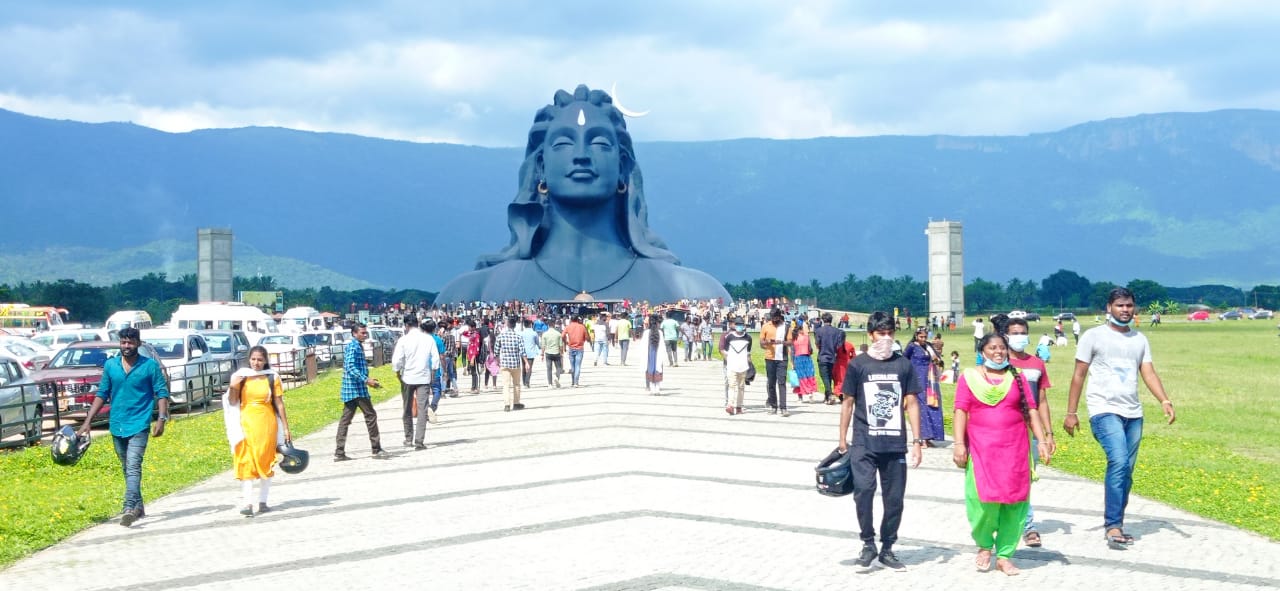
When you hear "Shiva," do you immediately think of destruction? While that's a vital aspect, the Puranas weave tales that reveal a far richer tapestry of cosmic creation, profound meditation, and ecstatic dance.

Have you ever felt an inexplicable sense of deja vu, a recurring pattern in your life, or a deep yearning for something beyond this existence? These feelings might be echoes of a concept central to Hindu thought: Samsara.

For millennia, mystics and philosophers have spoken of an unchanging "Self" or "Soul" within – the Atman. But in an age dominated by neuroscience, can this ancient idea stand up to scientific scrutiny?

In a world that feels like it's constantly accelerating, where do you find the stillness to hear your own inner voice, let alone connect with something timeless?

If you are not your thoughts, your emotions, or your physical body, then who — or what — are you, really?

Long before the hymns and devotional songs fill the air, the story of Janmashtami is etched in ancient texts, tracing the lineage and circumstances of Lord Krishna's birth.

Do you picture Lord Vishnu battling demons in a literal war, or Goddess Kali's fierce form as a historical figure? If so, you're likely missing the deeper, mythological language of the Puranas.

Do men naturally gravitate towards leadership and women towards nurturing, or are these just roles we've been taught to play?

Imagine wisdom distilled into a single, elegant verse, capable of illuminating the mind and guiding the heart – this is the enduring power of the subhashita.

Have you ever felt a deep yearning for something more, a sense that your current reality is just a thin veil over a profound truth?

If you've ever wondered if there's one definitive "Hindu law book," the answer is a resounding, and perhaps surprising, no.

Imagine a diet that not only energizes your body but also calms your mind and uplifts your spirit – this is the promise of the sattvic diet.

Imagine a sacred text so profound that its primary form of expression is song. This is the essence of the Samaveda, one of the oldest and most revered scriptures in Hinduism.

Imagine a night so profound, the very cosmos pauses, waiting. This is Mahashivratri, a sacred darkness where the veil between the mortal and the divine thins to a whisper.

When we hear the word "rishi," we often picture a solitary figure in the Himalayas, lost in meditation. But the reality of these ancient seers is far more varied and applicable to our modern lives.

When you picture Goddess Durga, what comes to mind? A fierce warrior, perhaps, astride her lion, trident in hand, ready to vanquish evil? While this is a powerful image, it's only one facet of her profound symbolism.

You've heard it in yoga studios, perhaps even in movies, but what if the primordial sound "Om" is more than just a vibration — what if it's a scientifically verifiable pathway to a calmer, more focused mind?

Imagine the scent of jasmine and incense, the rhythmic beat of the dhol, and the collective hum of devotion filling the air — but beneath the surface of these vibrant celebrations lies a deeper calling, an invitation to awaken the dormant Goddess within.

Imagine millions gathered on the banks of sacred rivers, performing ancient rituals under a celestial alignment – this is the Kumbh Mela, a phenomenon unlike any other.

Imagine a child stealing butter with mischievous delight, a divine lover playing enchanting melodies on His flute, or a charioteer guiding a warrior through a cosmic battlefield – these are the moments of Krishna Leela that echo through eternity, not just as stories, but as invitations.

When you hear "moksha," do you picture a heavenly paradise or a life of extreme asceticism? The reality is far more transformative and, surprisingly, attainable right here, right now.

When the Islamic calendar turns to Muharram, a period of solemn remembrance begins, culminating in Ashura. But what lies beneath the surface of these observances that can speak to the soul of any spiritual seeker, regardless of their faith tradition?

You've heard of Muharram and Ashura as times of profound grief, marked by processions and solemn rituals. But what if these observances hold a spiritual significance that transcends historical events, speaking to the very core of our spiritual journey?

For many, Ashura is a day of solemn remembrance, marked by mourning. But what if this sacred day holds a deeper, spiritual resonance that transcends religious boundaries, speaking to the very essence of dharma and sacrifice?

What is the difference between following a rule and doing what is right, and how does the concept of dharma help us navigate this moral maze?

Imagine a world where the Divine isn't a distant king on a celestial throne, but a beloved friend, a constant companion, a whisper in the soul—this is the world revealed by the Bhakti saints.

Imagine a world erupting in a riot of vibrant colors, where laughter fills the air and strangers become friends in a shared embrace of joy. This is Holi, the ancient Indian festival that signifies not just the end of winter, but a powerful spiritual message.

You’ve likely heard of Vedic astrology, or Jyotish, but how does this ancient system actually work to map out life's journey and offer profound insights?

When we hear Janmashtami, we picture a divine baby in a cradle. But what if that cradle was the stage for a cosmic drama, and the baby, the protagonist of dharma's eternal play?

We know Ram Navami celebrates Lord Rama's birth, but step beyond the scriptural accounts and you'll find a festival painted with the vibrant hues of regional devotion, echoing through temples, homes, and even forests across India.

Have you ever encountered a wise saying that perfectly captured a complex truth in just a few words? These gems of wisdom, often profound and beautifully crafted, have a special name in the rich tapestry of Indian culture: Subhashitas.

Is the world around you real, or is it a grand cosmic play of deception? The Hindu concept of Maya offers a profound answer that challenges our everyday understanding of reality.

Imagine a place where the divine doesn't just reside, but where Shiva's cosmic light itself descended to earth – these are the Jyotirlinga temples.

We know Rama, Sita, Krishna, and Arjuna intimately. But what about the characters who move in the background, whose names we might barely recall, yet whose roles are essential to the unfolding of divine drama?

When you hear the word "Tantra," what images first flash through your mind? For most, it's a sensationalized, often sexualized, vision far removed from its actual origins and profound spiritual goals.

When we think of fasting, we often picture a modern diet trend or a temporary denial of food. But in Hinduism, the practice of *vrat* is ancient, profound, and deeply intertwined with cosmic order, spiritual discipline, and devotion.

You’re juggling deadlines, endless emails, and the nagging feeling that your work, while necessary, isn't truly fulfilling. What if the secret to finding meaning wasn't an escape, but a radical shift in *how* you do what you already do?

Imagine a home that not only shelters you but actively supports your well-being, drawing in positive energy and dispelling negativity. This is the promise of Vastu Shastra.
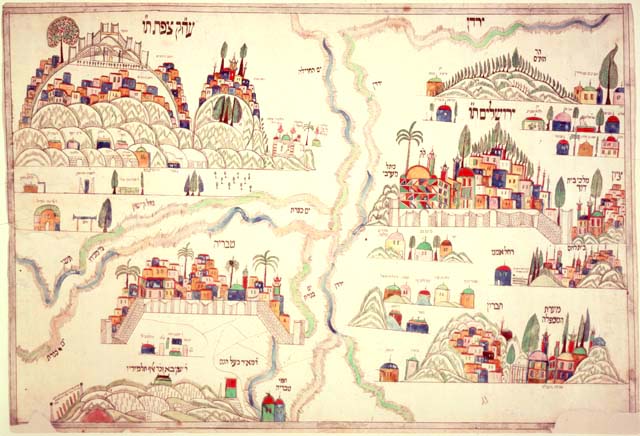
Long before printed maps, ancient seers saw the cosmos imprinted on the landscape, designating certain places as earthly abodes of the divine – but how did these locations become sacred?

When you hear the word "Tantra," what comes to mind? For many, it’s images of esoteric rituals and intense practices, often sensationalized. But what is Tantra in its authentic spiritual context?

Long before modern gurus and spiritual teachers, the title 'Acharya' represented a profound lineage of wisdom keepers who not only preserved but also expounded upon the deepest truths of existence.

When you hear "Deva vs. Asura," do you picture an epic battle with divine beings and demonic forces? While that's the surface, the true power of these ancient stories lies not in the clash, but in the moral compass they offer us today.

When you hear the name Hanuman, images of a powerful, divine monkey warrior might come to mind. But who is this beloved figure in Hindu tradition, and what does he represent?

Feeling overwhelmed by the constant flux of modern life – the deadlines, the dramas, the unexpected turns – and wishing for a calm center? What if the ancient stories of Shiva, the god of destruction and transformation, hold the exact blueprint for navigating this chaos?

Ever feel an inexplicable urge to achieve great things, only to be pulled down by inertia, or find yourself caught in a whirlwind of restless activity? These aren't random moods, but the subtle play of the three fundamental energies that govern all existence.

Ever feel like life's challenges are a chaotic script, and you're just improvising without a clue? What if the greatest lessons weren't in dusty scriptures, but in the vibrant, playful, and profound life of a divine being?

What if you held the key to your own vibrant health, a wisdom as ancient as the mountains and as personal as your own breath?

When gods and demons clash, who truly wins and loses, and what moral lessons can we glean from these cosmic conflicts?

Imagine millions converging, a human tide flowing towards sacred waters, chanting ancient mantras. But what truly binds this extraordinary assembly, and what does it reveal about the society that creates it?

In a world obsessed with constant forward motion, what if the secret to progress lay in understanding profound cycles of change, marked by a festival celebrated for millennia?

When you picture Goddess Lakshmi, do you see a shower of gold coins? While this widely held image is part of her iconography, it misses the profound, multifaceted nature of the Divine Mother of Abundance.

Imagine a treasure chest overflowing with concise, witty, and deeply insightful verses that can instantly brighten your perspective and guide your actions – this is the essence of Subhashitas.

You've seen them—intricate geometric patterns, often framed or drawn. But what if these aren't just pretty pictures, but powerful spiritual tools?

We often know her as Shiva's wife, the mother of Ganesha. But who is Parvati, beyond these roles, in the grand tapestry of Hindu cosmology?

Imagine a journey not just across land, but through the very essence of the Divine Feminine, a pilgrimage to places where Goddess Shakti's presence is palpable.

If the idea of chakras feels like a leap of faith into unsubstantiated energy fields, what if we could explore them as maps of our own inner psychological landscape?

Do the ancient laws of the Dharma Shastras still hold relevance in our modern world, or are they relics of a bygone era?

Imagine listening to a conversation from over 3,500 years ago—what if that conversation held the very seeds of philosophical inquiry and spiritual longing that still resonate today?

In a life saturated with notifications, deadlines, and the ceaseless hum of activity, does the ancient concept of a pilgrimage like the Char Dham still hold any meaning?

You know Vishnu the preserver and Shiva the destroyer. But what about Brahma, the creator of the universe? Why is this pivotal deity so rarely found in temples today?

You've seen them: intricate geometric patterns, often on paper or metal, used in Hindu traditions. But what if these aren't just static diagrams, but living, breathing maps of cosmic energy and consciousness itself?

While Bakrid's joyous celebrations of feasting and community are widely known, its profound spiritual core, rooted in an act of ultimate devotion, offers timeless wisdom that resonates deeply with the seeker's heart.

When you hear about Bakrid, your mind might immediately picture elaborate feasts and the act of sacrifice. But what if the true essence of this sacred festival lies in lessons that have echoed through India's spiritual traditions for millennia?

When you hear "third eye," do you picture crystal balls and incense, or something more grounded in human potential?

Have you ever felt a spark of inspiration, a sudden understanding, or a moment of pure creative flow? These are whispers of the divine feminine force known as Saraswati.

When we recall the great epics of India, do the women who populate these timeless tales come to mind as mere plot devices, or as characters with their own potent moral compass?

You’ve seen the iconic images of diyas, Lakshmi puja, and bursting firecrackers, but did you know that Diwali is celebrated with vastly different rituals, stories, and even dates in different parts of India?

Feeling overwhelmed by work deadlines, personal pressures, or the sheer unpredictability of life? You're not alone. Many of us crave a steady anchor in the storm, a wisdom that transcends fleeting circumstances.

When we hear "Upanishads," images of ancient sages in quiet forests often come to mind. But what if these texts are also a sophisticated philosophical dialogue, tackling questions about existence that still resonate today?

Beyond the lotus and the veena, what does Goddess Saraswati truly represent in the tapestry of Indian culture?

If the universe is a vast ocean, what is the water that fills it, the waves that rise and fall, and the very space it occupies? In Hindu philosophy, that singular, ultimate reality is Brahman.

When you picture Shiva, what comes to mind? A fearsome ascetic? A cosmic dancer? A benevolent protector? The truth is, Shiva is all of these and infinitely more, revealed through a tapestry of stories that have shaped Hindu thought for millennia.

Imagine a force so potent, so primal, that its very form seems to embody the end of all things – and yet, within that fierce embrace, lies the promise of ultimate freedom.

Have you ever wondered why Vishnu's avatars aren't just random animal or human forms, but a precise sequence? The story of the Dashavatara is far more than a list of divine appearances; it's a profound narrative of cosmic evolution and spiritual awakening.

Have you ever felt an inexplicable pull towards a particular teacher, a sense that they hold the key to unlocking something within you? This is the echo of the Guru-Shishya parampara, a sacred lineage that has shaped spiritual seekers for millennia.

If you were to shed every memory, every relationship, every physical sensation, what would remain of "you"?

In a world of conflicting health advice and endless "quick fixes," are you feeling exhausted, overwhelmed, and disconnected from your own body's wisdom?

You've heard of Brahma, the Creator. But who is Prajapati, and how is he related—or unrelated—to the Supreme Creator?

When we hear "Krishna Leela," we might picture a mischievous boy stealing butter or a charming flute player. But what if these stories are not just ancient folklore, but a sophisticated blueprint for understanding the divine in our own lives?

Have you ever felt that there's a deeper, more controlled version of yourself waiting to emerge, a version that isn't swayed by every passing emotion or external circumstance?

The word "caste" often conjures images of rigid social divisions and inherited status, but what does a scholarly lens reveal about its origins, evolution, and enduring impact on Indian society?

In the face of overwhelming challenges and difficult choices, where do leaders turn for wisdom that is both profound and practical?

We know the story of Rama's exile, Sita's abduction, and Lakshmana's unwavering loyalty. But what about the woman Lakshmana left behind, the princess who bore his absence for fourteen years in silence?

What if your life had a natural rhythm, a built-in blueprint for growth, responsibility, and ultimate liberation?