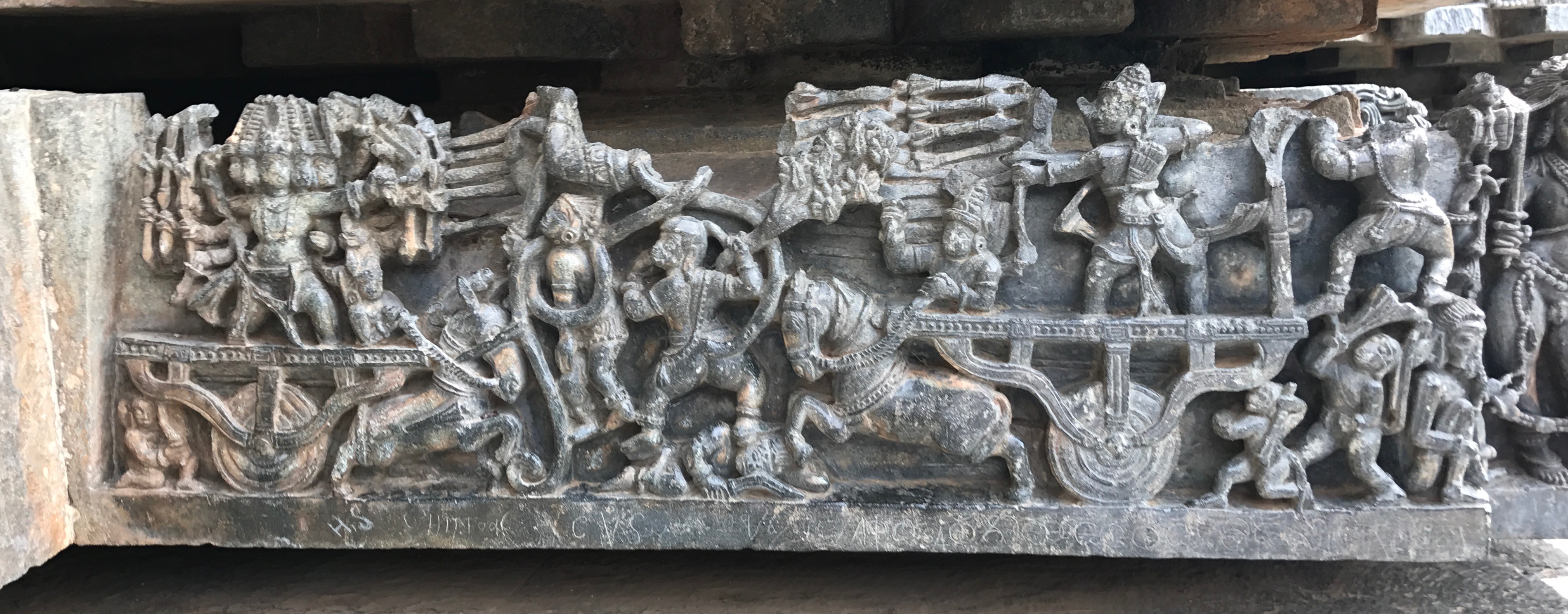
Unveiling the Mind's Grand Deception
What if the persistent feeling that the world is solid, permanent, and fundamentally "real" is the most pervasive illusion of all? This feeling is so ingrained that it's hard to imagine life without it, yet it's precisely this assumption that's being challenged by ancient yogic texts. They describe a phenomenon called Maya, often translated as illusion, which shapes our perception of reality in profound ways. You've probably experienced it yourself, when something that once seemed so significant and enduring loses its importance over time, like a song that was once your favorite but now barely registers. That's Maya at work, influencing how we see and interact with the world, and modern psychology is starting to offer some clues about how this process works. It turns out that our brains are wired to seek patterns and consistency, which can lead to a kind of mental laziness, where we stop truly seeing the world and instead rely on our preconceptions.
Maya as Cognitive Dissonance and Perceptual Habituation

Cognitive dissonance is a powerful driver of human perception, and it's what leads us to maintain a coherent worldview, even if it means ignoring contradictory evidence. This mental mechanism is eerily similar to Maya's function of obscuring true nature, as it creates a comfortable, consistent reality by filtering out information that challenges our existing beliefs. You've likely experienced this before, when you've held onto a favorite theory or idea, despite mounting evidence against it.
It turns out that our brains are wired to seek stability, and one way they achieve this is through perceptual habituation. The neuroscience behind it is fascinating: when we're constantly exposed to the same stimuli, our brains stop paying attention to it, leading to a perceived stability that masks underlying impermanence. This is analogous to Maya's veiling power, where the true nature of reality is hidden behind a facade of predictability.
Evolutionary psychology supports this idea, as a stable, predictable perception of the environment was advantageous for survival. Our ancestors who could rely on a consistent, unchanging world were better equipped to find food, avoid predators, and reproduce. This "illusion" of permanence was reinforced by natural selection, and it's still present in our minds today. It's connected to the concept of avidya, or ignorance, described in Vedanta, where the mind's default state is to accept the perceived as the real.
That's why it's so hard to see beyond Maya's veil, as our minds are honed to accept the world as it appears, without questioning its true nature. It's a mechanism that's been shaped by millions of years of evolution, and it's still influencing our perception of reality today. The question is, can we overcome this innate tendency, and glimpse the world as it truly is, or are we forever bound to the illusions created by our own minds.
The Self-Constructed Reality: Ego and Attachment

The concept of ahamkara, or the ego, in Vedanta is fascinating, as it's the psychological construct that insists on a separate, enduring self, driving our perception of reality and reinforcing Maya's influence. This ego is a primary driver of Maya, as it creates a sense of separation and individuality, making us cling to our constructed self and the world it perceives. Our deep-seated need for security and self-definition leads us to form attachments to relationships, possessions, and beliefs, mistaking them for permanent sources of well-being.
You've likely experienced this attachment in your own life, where you've formed strong bonds with people or things, only to find that they don't bring lasting happiness. Research on hedonic adaptation shows that our happiness levels tend to return to a baseline despite major life events, highlighting the impermanence of perceived sources of joy. This is because our minds quickly adapt to new circumstances, and the ego's persistent effort to maintain a sense of security and identity leads us to cling to these attachments, even when they no longer serve us.
The Bhagavad Gita emphasizes the importance of non-attachment, or vairagya, as a psychological strategy to disengage from the ego's projections and the suffering they cause. By letting go of our attachments, we can begin to see the world as it truly is, rather than through the distorted lens of our ego's constructions. It's a difficult process, as it requires us to confront the impermanence of all things and the fleeting nature of happiness. That's what makes it so crucial to our understanding of Maya and its role in shaping our perception of reality. The ego's need for a stable identity is a major obstacle to overcoming Maya, and it's one that requires careful consideration and self-reflection to overcome.
Shattering the Illusion: Witness Consciousness and Discriminative Awareness

Witness consciousness, or sakshi bhava, is a powerful concept in Yoga philosophy that allows us to observe our thoughts and feelings without becoming identified with them. It's a form of detached observation, similar to mindfulness meditation, where we watch our experiences arise and pass away without judgment. This practice can be particularly effective when combined with techniques like body scan meditations, where we systematically bring awareness to different parts of the body, noticing the impermanent nature of sensations and thoughts. By doing so, we directly counter Maya's illusion of permanence, which is a major contributor to our suffering.
As we cultivate witness consciousness, we also develop viveka khyati, or discriminative discernment, which is the ability to distinguish between the real and the unreal. This philosophical and psychological skill is learned through sustained self-inquiry, where we examine our experiences and perceptions, and begin to see the world in a different light. We start to realize that our thoughts, emotions, and sensations are constantly changing, and that they don't define our true nature. Open-monitoring meditation is another technique that can help us develop this skill, as it involves observing our experiences without focusing on any particular object or sensation.
By consistently practicing these techniques, we can reduce our emotional reactivity and foster a sense of inner freedom. As we weaken the ego's grip and its illusory identifications, we become less attached to our thoughts and feelings, and more aware of our true nature. This is a gradual process that requires patience, dedication, and self-awareness, but it's one that can lead to profound transformations in our lives. It's a process that allows us to see the world with fresh eyes, and to experience life in a more direct and unfiltered way. And that's what makes it so liberating.
References - A Journey Towards Meaning: An Existential Psychobiography of Maya Angelou

Maya Angelou's life is a powerful example of how this process can play out in a real person's life. Her experiences, as documented in various biographies, show how she struggled to come to terms with her past and find her place in the world. A Journey Towards Meaning, a psychobiography of Maya Angelou, offers a detailed analysis of her life and work, highlighting the ways in which she grappled with issues of identity, belonging, and purpose. It's clear that Angelou's journey was marked by both profound struggles and remarkable triumphs. As we reflect on her life, we're reminded that the process of liberation is never easy, but it's one that can lead to profound growth and transformation. The fact that Angelou was able to find meaning and purpose in her life, despite facing numerous challenges, is a testament to the human spirit's capacity for resilience and adaptation. Her story serves as a powerful reminder that we all have the potential to transform our lives, and that's what makes her legacy so enduring.
Frequently Asked Questions
Is "Maya" just a metaphor, or does it have a basis in how our brains actually work? Maya describes the mind's inherent mechanisms for constructing reality, rather than a mere metaphor. This concept is supported by modern neuroscience and psychology, which suggest that our brains are wired to create a reality based on past experiences and perceptions.
If Maya is an illusion, does that mean nothing is real? Vedanta distinguishes between the temporarily real and the eternally real, implying that while phenomena are impermanent, consciousness itself is fundamental. This distinction allows for a nuanced understanding of reality, where the impermanent nature of the world is acknowledged, but the fundamental nature of consciousness is recognized.
How can understanding Maya help me deal with everyday problems like stress or anxiety? By recognizing that many sources of stress stem from attachments to impermanent things, Maya offers a framework to detach, fostering resilience and reducing suffering. This framework allows individuals to see situations with greater clarity, letting go of attachments that no longer serve them, and cultivating a sense of inner peace. Understanding Maya can be a powerful tool for navigating life's challenges, and it's something you've likely experienced in moments of calm reflection, when the world slows down and you see things as they are.
Embracing Reality Beyond the Veil
Maya is not something that deceives us from the outside, but rather it's an internal process of the mind that creates a sense of solid, permanent reality. This process is driven by our innate biases toward consistency, attachment, and ego-identification. You've likely noticed how your mind clings to certain thoughts or emotions, making it hard to let go. Cultivating witness consciousness and discriminative awareness can help you perceive reality more clearly, reducing suffering in the process. Practice observing your own perceptions for five minutes daily, noticing the impermanence of thoughts and sensations without judgment. That's all it takes to start seeing things as they truly are, and it's a practice that can change your life over time.
Sources & References
- A Journey Towards Meaning: An Existential Psychobiography of Maya Angelou
- Anita Desai's Cry, the Peacock: A Psychoanalytic Approach
- Depiction of Psychological perspective in Anita Desai's Cry ...
- The Psychology of Personality: Maya Angelou's Case
- Maya Angelou's Personality Assessment
- Cry for Self-Esteem: A Psychological Study of Anita Desai's ...
- Anita Desai's Cry the Peacock: A Manifesto of Maya's ...
- MAYA OF CRY, THE PEACOCK - English Literature