Beyond the Stereotypes of Hinduism
When you think of Hinduism, what comes to mind is probably the Taj Mahal's marble domes, the Ganges river's sacred waters, or maybe a specific deity like Krishna or Durga. These images are familiar, yet they're just glimpses of a much larger, more diverse spiritual landscape. You've likely heard of karma and dharma, but the way they're understood can vary greatly from one region to another. In fact, Hinduism is so diverse that it's hard to pin down a single, unified tradition - it's more like a collection of local threads, each with its own unique flavour and texture. The dharma practiced in the southern state of Tamil Nadu, for example, is distinct from that in the northern state of Punjab, reflecting the different histories, cultures, and geographies of these regions. This diversity is what makes Hinduism so rich and fascinating, and it's what allows each tradition to bring its own unique perspective to the spiritual journey. It's a journey that's full of surprises, and one that's still evolving today.
Defining Hindu Regional Traditions

Kashmir Shaivism, with its profound emphasis on the recognition of consciousness as the ultimate reality, is a stark example of how regional traditions within Hinduism can blossom into unique and captivating spiritual journeys. This tradition, like many others, has evolved over centuries within a specific geographical area, influenced by local customs, languages, and environmental factors. Regional traditions are essentially the localized practices, beliefs, and rituals that have developed within specific parts of the Indian subcontinent, each with its own distinct flavor and approach to the universal principles of dharma.
The interplay between these universal principles and local elements gives birth to diverse traditions, such as the Bengal focus on Goddess worship, where the divine feminine is revered in all her forms, or the South Indian traditions, which boast intricate temple architecture and deity-specific festivals that are an integral part of the community's spiritual life. These traditions don't exist in isolation; they are part of the larger Hindu spiritual ecosystem, offering different pathways to the same ultimate reality. It's this diversity that makes Hinduism so dynamic, allowing individuals to find a tradition that resonates deeply with their personal spiritual quest. You've likely encountered various regional traditions in your own spiritual explorations, each with its own set of practices and beliefs that reflect the local culture and history. That's what makes regional traditions so valuable - they provide a tangible connection to the spiritual heritage of a particular place, making the journey feel more personal and authentic.
The Forces Shaping Regional Diversity

The unique geography and climate of a region can significantly influence its religious practices, with coastal areas often revering water deities and mountainous regions worshiping deities associated with the hills. This is evident in the numerous temples dedicated to Varuna, the sea god, in coastal towns, and the shrines to Himalayan deities like Kedarnath in the mountainous north. You've probably noticed that these regional preferences are not random, but are deeply rooted in the everyday lives of the people living in these areas. Local history also plays a crucial role in shaping regional traditions, with the rise and fall of kingdoms, migrations, and cultural exchanges leaving an indelible mark on the practices and iconography of a region. For instance, the influence of Islamic and European traditions can be seen in the architecture and art of certain temples in western and southern India.
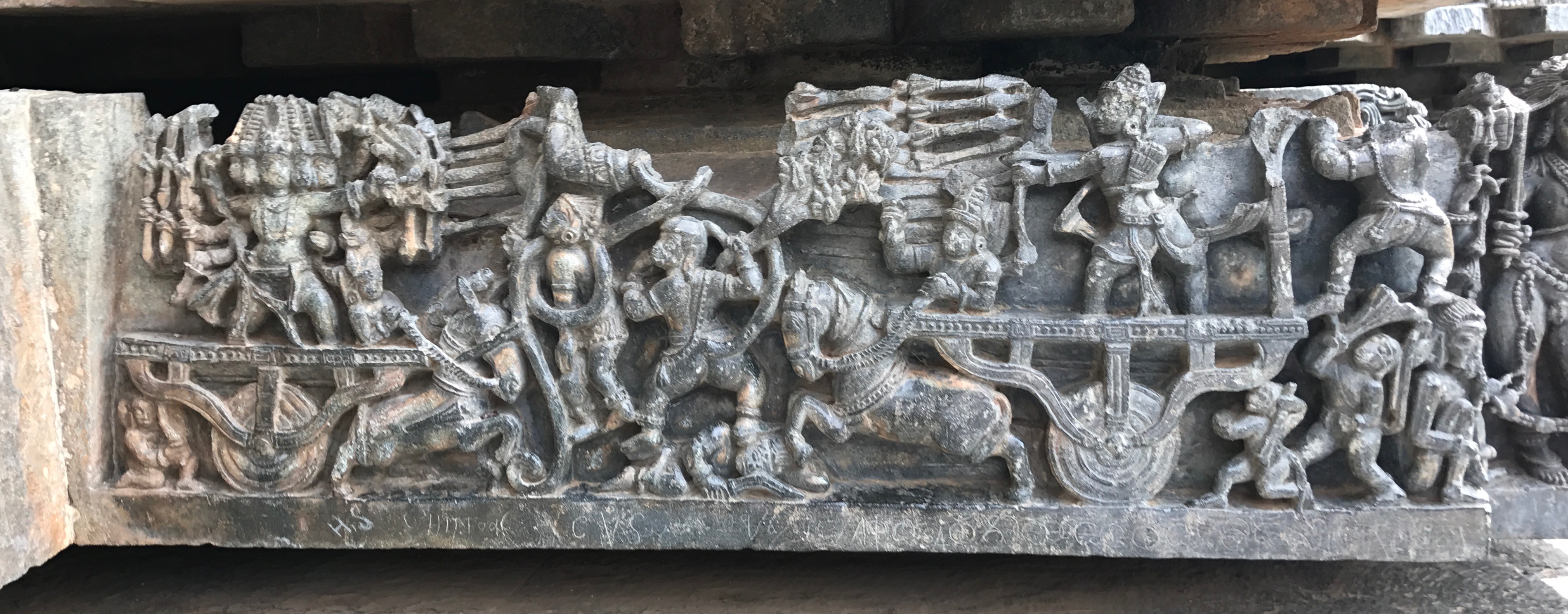
The role of local languages and vernacular literature in preserving and transmitting religious narratives, hymns, and rituals cannot be overstated, as it makes these traditions accessible to the common people. This is how stories of local deities and heroes are passed down through generations, often in the form of folk songs and tales that are deeply rooted in the local culture. Local rulers and communities have also played a significant part in shaping regional traditions, with their patronage leading to the development of distinct temple styles, festivals, and forms of deity worship. That's why you see such a rich diversity of temple architecture across India, from the towering gopurams of southern temples to the intricate carvings of western Indian temples. It's a testament to the complex interplay of historical, cultural, and geographical factors that have shaped the regional traditions of Hinduism. The patronage of local rulers has also led to the creation of unique festivals and rituals, which are often tied to the local calendar and agricultural cycles. This complex interplay of factors has resulted in a rich and diverse spiritual landscape that continues to evolve to this day.
Unique Expressions of Dharma in Practice

The concept of dharma, or righteous living, is expressed in distinct ways across various regional traditions, with specific duties prescribed for different communities or castes in a particular region. You've likely heard of the complex caste system in Hinduism, but what's interesting is how regional ethical codes and social customs have evolved over time, reflecting the unique cultural and historical context of each area. For instance, in some regions, certain castes are associated with specific occupations or rituals, while in others, these distinctions are less pronounced.
Regional characteristics also influence the worship of deities, with different Puranic deities or local folk deities gaining prominence in various parts of the country. That's why you'll find that the mythology and ritualistic associations surrounding a particular deity can vary significantly from one region to another. This diversity is reflected in the unique mythologies and stories associated with each deity, which are often passed down through local folklore and oral traditions.
Festivals, while often celebrating common themes like the victory of good over evil, have distinct regional celebrations, unique rituals, and specific culinary traditions associated with them. Take Onam in Kerala, for example, which is a harvest festival that's celebrated with elaborate decorations, music, and dance, whereas Bihu in Assam is a festival that's closely tied to the agricultural cycle and features distinctive folk songs and dances. These regional variations add a rich layer of diversity to the spiritual landscape of Hinduism.
Philosophical interpretations, while rooted in Vedanta or other major schools, are often presented with regional nuances and accessible analogies in local languages, making them more relatable and understandable to the local population. It's not uncommon to find that regional traditions have developed their own unique philosophical perspectives, which are shaped by the local culture and history. This diversity of thought and expression is what makes Hinduism so fascinating, and it's a testament to the dynamic and evolving nature of the tradition.
Frequently Asked Questions
Are regional traditions considered less important than mainstream traditions? No, that's not the case. Regional traditions are vital expressions of dharma, each with its own rich history and spiritual significance. They offer unique perspectives on the universal principles of Hinduism, making them just as valuable as mainstream traditions.
How can I learn more about a specific regional tradition? You've got a few options: engaging with local scholars, visiting regional temples during festivals, and reading vernacular religious literature are excellent ways to learn. This hands-on approach will give you a deeper understanding of the tradition and its cultural context.
Do regional traditions change over time? Yes, they do. Like all living traditions, regional practices evolve, adapting to new influences while often retaining their core essence. This evolution is a natural process that reflects the dynamic nature of Hinduism, and it's what keeps regional traditions vibrant and relevant.
A Mosaic of Devotion
Hindu traditions are a beautiful mosaic, with each region contributing unique colours and patterns to the whole. This diversity is what makes Hinduism so rich and multifaceted. You've likely grown up with the traditions of your own region, but there's a whole world of spiritual practices and philosophies to explore. Understanding regional diversity enriches our appreciation of Hinduism's adaptability and depth. These traditions offer varied, yet equally valid, paths to spiritual fulfillment. Explore a regional tradition beyond your own familiar practices to discover a new facet of the divine. That's where the real magic happens, and you might just find a new way to connect with the divine that resonates deeply with you.
Sources & References
- Tradition
- 🌍 Cultural & Regional Perspectives — how traditions ...
- What's the difference between culture & tradition?
- 24 Different Cultural Traditions Around the World
- Can you share some food traditions from your culture or ...
- 5 cultural traditions and the history behind them - Wanderlust
- Cultural Preferences: From National to Regional to Local
- What are some unique cultural traditions in your area?