
Two Pillars of Hindu Devotion
You know the stories of Rama and Krishna, but what about the tales of Shiva and the philosophical depths of Shaivism, where the destroyer of the universe is also the one who destroys your ego, freeing you from the illusion of separation. This dichotomy is at the heart of Shaivism, a tradition that's often misunderstood as merely a cult of personality around Shiva. The stories of Shiva's dance, his marriage to Parvati, and his role as a yogi all point to a complex theology that's distinct from the more personal, devotional approach of Vaishnavism. Shaivism's emphasis on the impersonal, ultimate reality of the universe is a far cry from the loving, personal relationships that Vaishnavites have with Vishnu. It's a difference that shapes not just how you worship, but how you understand the nature of the divine and your place in the world. The tales of Shiva offer a glimpse into a world where liberation is not just a goal, but a fundamental aspect of the human condition.
The Supreme Being in Shaivism

Shiva's nature is multifaceted, encompassing both the transcendent, formless Absolute and the immanent, personal God, often symbolized by the Lingam. This duality is central to Shaivite theology, where Shiva is revered as the supreme reality that underlies all existence. The concept of the Trimurti, comprising Brahma, Vishnu, and Shiva, is particularly significant from a Shaivite perspective, as it emphasizes Shiva's role as the destroyer and regenerator, superior to the creative and preservative functions of Brahma and Vishnu. You've likely heard of the Trimurti before, but it's surprising how often Shiva's dominance is downplayed in non-Shaivite traditions.
Shiva's supremacy is rooted in his ability to transcend the cycles of creation and destruction, embodying the ultimate reality that lies beyond the reaches of time and space. The philosophical schools of Kashmir Shaivism, with its monistic idealism, and Southern Shaivism, with its dualistic and qualified monistic aspects, offer distinct yet complementary perspectives on the nature of Shiva and the universe. Kashmir Shaivism's Pratyabhijna philosophy, for instance, posits that the individual self is ultimately identical with Shiva, the universal consciousness.
The role of Shakti, or divine feminine energy, is inseparable from Shiva, often personified as Parvati or embodied as the universal creative force. This feminine principle is not just a consort or companion to Shiva, but an integral aspect of his being, representing the dynamic, creative power that underlies all existence. It's a concept that has far-reaching implications for how we understand the nature of the divine and our place within the world. The relationship between Shiva and Shakti is one of interdependence, with each principle informing and enriching the other.
The Supreme Being in Vaishnavism

Vishnu's role as the preserver and protector of the universe is a cornerstone of Vaishnavism, with his incarnations as avatars serving to restore dharma whenever it's threatened. The stories of Rama and Krishna, two of Vishnu's most revered avatars, are deeply ingrained in Vaishnavite theology and devotional practice, offering powerful examples of duty, compassion, and selfless love. You've likely heard of the epic tales of the Ramayana and the Mahabharata, which feature these avatars prominently.
The philosophical underpinnings of Vaishnavism are complex, with different schools offering distinct interpretations of the relationship between the soul, the world, and Vishnu. Ramanujacharya's Vishishtadvaita, or qualified non-dualism, posits that the soul and the world are ultimately part of Vishnu, yet maintain their individuality. In contrast, Madhvacharya's Dvaita, or dualism, asserts a fundamental distinction between the soul, the world, and Vishnu, with the latter being the supreme, all-powerful deity. That's a key distinction, as it shapes the nature of devotion and spiritual practice.
Lakshmi, as Vishnu's consort, plays a vital role in Vaishnavite devotion, embodying the qualities of fortune, prosperity, and purity. Her presence is often invoked in rituals and worship, symbolizing the gracious, nurturing aspect of the divine. It's interesting to note that Lakshmi's significance extends beyond her role as a goddess, representing the values of generosity, compassion, and wisdom that are central to Vaishnavite ethics. The interplay between Vishnu and Lakshmi reflects the harmony and interdependence that characterize the Vaishnavite vision of the universe, and that's what makes their relationship so compelling.
Paths of Devotion and Liberation

The contrast between Shaivite and Vaishnavite devotional practices is striking, with Shaivism emphasizing the path of asceticism, yoga, and jnana to achieve union with Shiva, often requiring the transcendence of the ego. This approach is rooted in the idea that the individual self must be surrendered to realize the ultimate reality of Shiva's consciousness. In contrast, Vaishnavism focuses on bhakti, or loving devotion, to Vishnu or his avatars, with an emphasis on saranagati, or surrender, to receive grace and guidance.
You've likely noticed that both traditions value surrender, but they differ in their approach, with Shaivism tending towards a more introspective and ascetic path, while Vaishnavism encourages a more emotional and personal connection with the divine. The role of scriptures and gurus is also significant in guiding devotees, with Shaivism drawing on the Agamas and Vaishnavism on the Puranas and Vaishnava Upanishads.
The concept of moksha, or liberation, is another area where the two traditions diverge, with Shaivism often describing it as a merging into Shiva's consciousness or achieving eternal union, while Vaishnavism envisions it as residing in Vishnu's eternal abode, Vaikuntha, in a state of loving service. That's what makes the exploration of these traditions so fascinating, as they offer distinct yet complementary perspectives on the nature of the divine and the path to liberation. The interplay between these different approaches raises important questions about the nature of devotion and the ultimate goal of spiritual practice, and that's where the richness of these traditions really comes alive.
Rituals, Iconography, and Cultural Expression

The stark contrast in iconography between Shaivism and Vaishnavism is striking, with Shiva often depicted bearing a trident, adorned with a serpent, and smeared with ash, while Vishnu is typically shown holding a conch, discus, and mace, reclining on a divine serpent bed surrounded by lotus flowers. This visual distinction reflects the unique characteristics and attributes associated with each deity, and it's fascinating to see how these differences play out in worship and cultural expression. You've likely seen the Shiva Lingam, a symbol of Shiva's cosmic energy, at the heart of many Shaivite temples, where devotees offer puja to the divine presence it embodies. In contrast, Vaishnavite temples often feature elaborate Murtis of Vishnu, Lakshmi, Rama, and Krishna, each with their own distinct stories and symbolism.
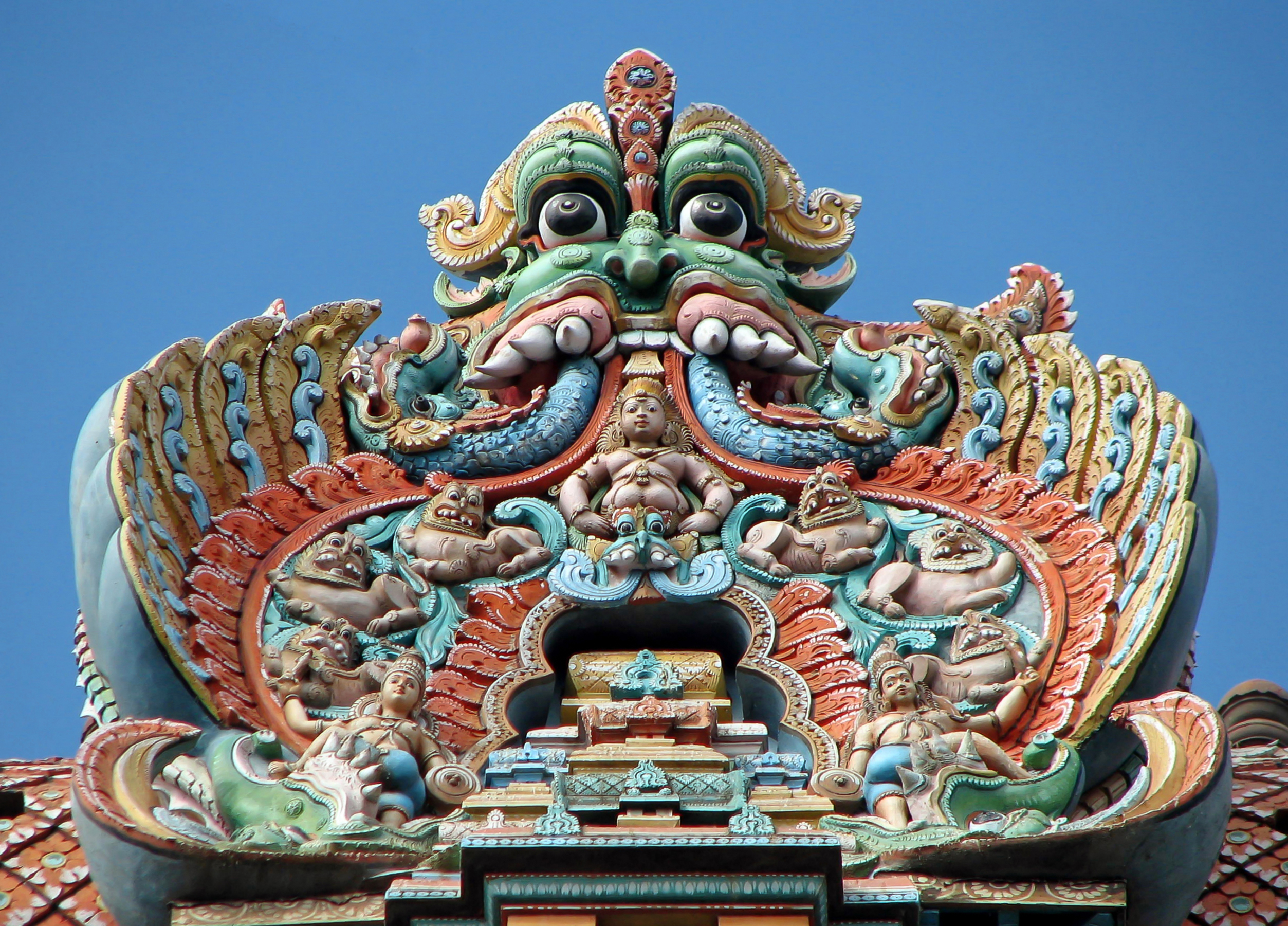
The festivals and regional traditions of these two sects also manifest their unique devotional landscapes, with Shaivite festivals like Maha Shivaratri and Vaishnavite celebrations like Janmashtami drawing huge crowds and showcasing the vibrant cultural expressions of each tradition. Temple architecture, too, reflects the distinct flavors of Shaivism and Vaishnavism, from the imposing stone structures of southern India to the ornate temples of the north. That's what makes exploring these traditions so captivating, as you don't just learn about abstract concepts, but experience the sights, sounds, and rituals that bring them to life. Historical interactions between these sects have also left their mark, with mutual influences and exchanges shaping the course of their development over time. It's a complex, dynamic process that continues to evolve, and that's what makes the study of Shaivism and Vaishnavism so rich and rewarding.
References - Shaivism Vs Vaishnavism: Key Similarities & Differences

What's often overlooked in discussions of Shaivism and Vaishnavism is that their key similarities are just as important as their differences. Both traditions, for instance, place a strong emphasis on the concept of bhakti, or devotion, as a path to spiritual liberation. They also share a common goal, which is to help the individual achieve moksha, or release from the cycle of rebirth. You've likely noticed that these shared goals and values are rooted in a deep understanding of Hindu scripture and philosophy. It's in their approach to achieving these goals that the two traditions begin to diverge, with Shaivism often focusing on the role of Shiva as the supreme deity, and Vaishnavism looking to Vishnu as the ultimate reality. That's not to say one approach is inherently better than the other, but rather that they represent different paths to the same destination. Don't expect a straightforward answer to the question of which tradition is more "authentic" or "true", as the history of Shaivism and Vaishnavism is complex and multifaceted, with each influencing the other in subtle but significant ways. The study of these traditions is a lifelong pursuit, and one that requires a willingness to engage with the complexities and nuances of Hindu philosophy and practice. It's a journey that's full of surprises, and one that can be deeply rewarding for those who are willing to take the time to explore it.
Harmonizing Diverse Paths to the Divine
Shaivism and Vaishnavism represent two distinct paths to spiritual realization, each with its own unique emphasis. Shaivism centers on Shiva as the ultimate reality, emphasizing union through knowledge and asceticism. Vaishnavism, on the other hand, centers on Vishnu as the supreme preserver, reached through loving devotion and grace. Both traditions offer profound philosophical insights and diverse paths to spiritual realization, reflecting the multifaceted nature of the Divine in Hinduism. This diversity is a strength, allowing individuals to find the approach that resonates with them. Understanding these distinctions enriches one's appreciation for the breadth and depth of Hindu spiritual traditions. You've likely found one tradition more compelling than the other, so explore a temple or scripture from the tradition you know less about this week to deepen your comparative understanding. This exploration can be a powerful way to deepen your spiritual practice.
Sources & References
- Shaivism Vs Vaishnavism: Key Similarities & Differences
- Shaivism and Vaishnavism are pre-Hindu. ...
- Recent convert, still unsure whether to follow Vaishnavism ...
- How Do Vaishnavism And Shaivism Compare?
- Shaivism and Vaishnavism - Practices in Hinduism - GCSE Religious Studies Revision - AQA - BBC Bitesize
- Hinduism - Vaishnavism, Shaivism | Britannica
- I Compared Shaivism vs Vaishnavism - The Truth Behind the ...
- Shaivism - Wikipedia