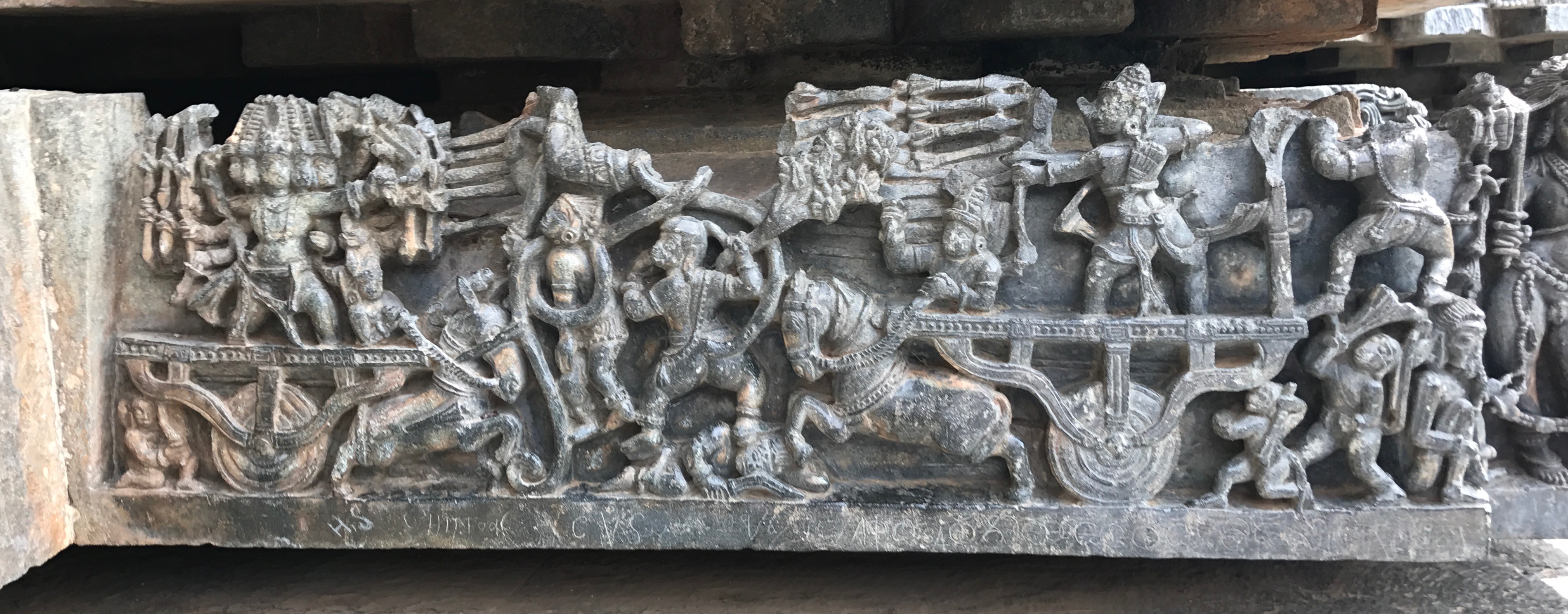
The Battlefield Within and Without
In the face of overwhelming challenges and difficult choices, where do leaders turn for wisdom that is both profound and practical? Consider a leader who's just been tasked with downsizing their team, and they're torn between their duty to the company and their loyalty to their employees. This kind of dilemma is what Arjuna faced on the battlefield in the Bhagavad Gita. The Gita's narrative is a powerful metaphor for modern leadership dilemmas, where leaders must navigate complex situations and make tough decisions. It's a story about a warrior who's struggling to reconcile his duty as a soldier with his personal values. The yogic principles that Krishna teaches Arjuna can transform a leader's approach to stress and conflict, and it's not just about managing stress, it's about changing the way you relate to challenges. You've got to let go of your attachment to specific outcomes if you want to make decisions that are truly effective.
Arjuna's Dilemma — The Leader's Crisis of Duty

Arjuna's paralysis on the battlefield is a powerful metaphor for the leader's crisis of duty, where personal relationships and values collide with the demands of responsibility. His reluctance to fight his kin, the Kauravas, mirrors a leader's struggle with difficult decisions that impact stakeholders, forcing them to weigh personal sentiment against the greater good. Krishna's initial response to Arjuna's dilemma is striking, as he focuses on the nature of the soul, or Atman, and the impermanence of the physical body, emphasizing that duty, or dharma, must take precedence over personal feelings. This framing of duty above personal sentiment is a crucial lesson for leaders, who must often make tough decisions that affect those around them.
You've got to consider the concept of Swadharma, or one's own duty, which is critical in a leader's decision-making process. It's about understanding your role and responsibilities within a larger context, and being willing to act in accordance with that role, even when it's difficult or uncomfortable. Krishna's message to Arjuna is that a leader's duty is not just to themselves or their loved ones, but to the greater good, and that this duty must be fulfilled, regardless of personal cost. This is a hard lesson to learn, but it's one that's essential for effective leadership. A leader who's unable to balance their personal feelings with their duty to others will struggle to make decisions that truly serve the greater good. That's why Arjuna's dilemma remains so relevant today, as a reminder of the challenges and responsibilities that come with leadership.
Karma Yoga — Action Without Attachment for Optimal Performance

A skilled surgeon performing a complex operation is completely focused on the task at hand, not worried about the applause or the fear of error. This mindset is similar to what Krishna teaches as Karma Yoga, or the path of action without attachment to the fruits of labor. It's not just about taking action, but about performing that action with detachment, which allows for a more balanced and effective approach. You've likely seen leaders who are driven by anxiety, constantly worried about personal gain or loss, and how that anxiety can cripple their ability to make decisions.
In contrast, a leader who practices Karma Yoga can approach challenges with a clear and focused mind, making decisions based on what's best for the situation, not just what's best for themselves. This principle enables leaders to be more objective, to delegate tasks effectively, and to maintain their equanimity even in the midst of crisis. Krishna's teachings on selfless service emphasize the importance of letting go of attachment to outcomes, and instead focusing on the action itself. That's what allows a leader to perform their duties without being driven by personal motives.
When a leader is able to let go of their attachment to personal gain or recognition, they're able to approach challenges with a sense of clarity and purpose. They're not bogged down by anxiety or fear, and they're able to make decisions that truly serve the greater good. It's a difficult principle to put into practice, but it's one that's essential for effective leadership. A Karma Yogi leader is able to stay focused on the task at hand, even in the face of adversity, and that's what allows them to achieve optimal performance. This approach to leadership is not just a theoretical concept, but a practical framework that can be applied in real-world situations, and it's one that can have a profound impact on a leader's ability to make a positive difference.
The Power of Viveka — Discernment in Leadership

A leader who can't tell the difference between what's real and what's not is like a sailor without a compass, lost at sea. That's where Viveka comes in, the ability to discriminate between the real and the unreal, the eternal and the ephemeral, as taught in Vedanta. It's a crucial leadership tool that helps you cut through the noise, whether that's office politics, misinformation, or emotional drama. A discerning leader can use Viveka to see the core issues, to separate the signal from the noise, and that's what allows them to make informed decisions.
You've got to be able to distinguish between what's truly important and what's just a distraction, and that's not always easy. Cultivating Viveka helps leaders make ethical choices, aligning their actions with their core values and organizational mission. It's what prevents them from getting caught up in short-term thinking or personal biases. When you've got Viveka, you can prioritize what really matters, and that's what leads to long-term success.
Lack of Viveka, on the other hand, can lead to impulsive decisions, misplaced priorities, and ultimately, leadership failure. It's what happens when you react to every crisis without thinking about the bigger picture. A leader without Viveka might get bogged down in minor issues, or worse, create problems that didn't exist before. That's why it's so important for leaders to cultivate this discernment, to develop their ability to see what's real and what's not, and to make decisions based on that. It's a skill that takes time and practice to develop, but it's essential for effective leadership.
Equipoise in the Face of Adversity — The Leader's Inner Strength

When a leader faces adversity, their inner strength is put to the test, and that's where the concept of Sthitapragya comes in, a state of steady wisdom that Krishna describes as being unmoved by pleasure or pain, success or failure. A Sthitapragya leader embodies equanimity, and this is not just a passive state, but an active choice that's cultivated through self-awareness, disciplined practice, and a deep understanding of the transient nature of external circumstances. You've got to know yourself, your motivations, and your weaknesses to develop this kind of inner balance.
This state of mind is not something you either have or you don't, it's developed over time through practices like mindfulness and introspection, which help you become more aware of your thoughts and emotions, and how they impact your decisions. Developing a philosophical outlook is also key, it helps you see the bigger picture and understand that everything is constantly changing, including your own circumstances.
A leader who's developed this inner strength can inspire confidence in their team, even in the most turbulent times, and that's because they're not reactive, they're not driven by their emotions, but by a sense of purpose and clarity. They can de-escalate conflict, not by avoiding it, but by facing it head-on, with a calm and level head, and that's what sets them apart from other leaders. It's not about being impervious to challenges, but about being resilient, and that's what the Gita teaches us, that true strength comes from within, and it's available to anyone who's willing to do the work.
Leading with Purpose and Peace
The Bhagavad Gita offers a profound roadmap for leaders, one that's rooted in duty, selfless action, and discerning wisdom. By integrating principles like Karma Yoga and Viveka, leaders can transform their approach to challenges. This approach fosters resilience and inspires trust. True leadership mastery lies not in controlling outcomes, but in cultivating inner strength and acting with unwavering integrity. You've got a decision to make, and it's a tough one. Reflect on one difficult decision you are facing, and consider how acting with detachment and clear discernment might illuminate your path forward. That's where the real power of the Gita's teachings comes alive, guiding you toward a more mindful and effective leadership style. It's time to put these principles into practice, and see where they take you.
Sources & References
- Leadership Lessons from the Bhagavad Gita - Amazon.com
- Leadership Lessons from the Bhagavad Gita - The Bhakti Center
- Bhagavad Gita Leadership Lessons: Timeless Wisdom from Krishna for Courage and Success
- Leadership Lessons from Srimad-Bhagavad-Gita
- Leadership Lessons from Bhagavad Gita1
- Lessons from the Bhagavad Gita for Modern Life & Leadership
- 6 Leadership Qualities or Lessons that I Learned from Bhagwat Gita
- Uncovering the leadership lessons of the Bhagavad Gita