
The Path of Divine Love and Grace
If you've ever wondered about the vibrant traditions that venerate Vishnu, the preserver of the cosmos, you're about to discover a profound philosophy centered on devotion, divine grace, and the eternal nature of the soul. Vishnu's avatars, or divine incarnations, are a cornerstone of this tradition, with each one embodying a unique aspect of the divine. The stories of these avatars, from Krishna's teachings in the Bhagavad Gita to Rama's epic journey in the Ramayana, have captivated devotees for centuries. At the heart of Vaishnavism lies a deep understanding of the soul, or Atman, and its inherent connection to the Divine, often referred to as Narayana. This relationship is nurtured through the practice of Bhakti Yoga, a path of devotion that weaves together love, service, and surrender. The concept of divine grace, or the idea that the Divine extends itself to humanity, is a powerful force in Vaishnavism, guiding devotees toward a life of purpose and meaning. Devotion becomes a way of life, a means to experience the divine in everyday moments.
Vishnu: The Supreme Being and His Manifestations

The concept of Narayana is central to Vaishnavism, representing the supreme, all-pervading divine reality from whom all creation emanates. This idea is profound, as it posits that the entire universe is an expression of Narayana's being, and that every aspect of existence is connected to and dependent on this ultimate reality. You've likely encountered the idea that the divine is omnipresent, but Vaishnavism takes this a step further, suggesting that Narayana is not just a distant, impersonal force, but a personal, loving God who is intimately involved in the lives of his devotees.
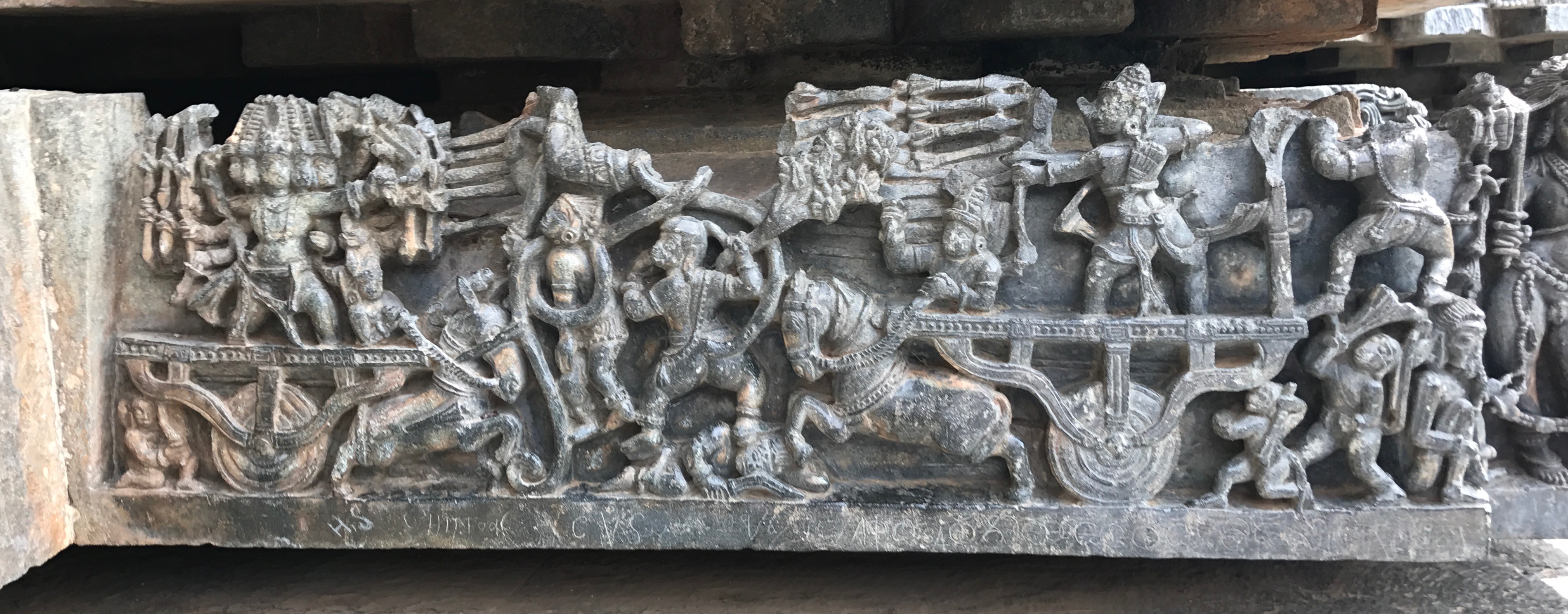
Vishnu's avatars, such as Rama and Krishna, are a key part of this narrative, as they represent divine descents into the world to restore dharma and protect the righteous. These avatars are not just abstract concepts, but living, breathing embodiments of the divine, who interact with humans and guide them toward a life of purpose and meaning. The stories of Rama and Krishna are deeply ingrained in Vaishnavite tradition, and are often seen as exemplars of the perfect devotee and the perfect God.
The scriptural basis for Vishnu's supremacy is well-established in texts like the Vishnu Purana and Bhagavata Purana, which provide key teachings on his omnipresence and grace. These texts describe Vishnu as the ultimate reality, the source of all creation, and the goal of all spiritual striving. That's not to say that the concept of Brahman, or the impersonal absolute, is rejected in Vaishnavism - rather, it's seen as a more abstract, distant aspect of the divine, whereas the personal Godhead is understood as accessible and loving.
The distinction between these two concepts is crucial, as it highlights the unique emphasis of Vaishnavism on the personal, supreme Godhead, who is understood as being accessible through love and devotion. This idea is closely tied to the practice of Bhakti Yoga, which seeks to cultivate a deep, personal relationship with the divine. Don't expect to find easy answers, though - the nature of the divine is complex, and Vaishnavism is no exception, with its own set of paradoxes and tensions that devotees must navigate. The relationship between the personal and impersonal aspects of the divine is just one of these tensions, and it's a topic that continues to be explored and debated by scholars and devotees alike.
Bhakti Yoga: The Heart of Vaishnavism

The concept of surrender, or Pranipata, is a crucial aspect of Bhakti Yoga, as it allows devotees to let go of their ego and desires, and instead, submit to the divine will. This surrender is not a passive act, but an active expression of deep love and commitment to the Divine. It's a willingness to serve, or Seva, without expectation of reward or recognition. The Bhagavad Gita expounds on this idea, where Krishna says that even a small offering, such as a leaf or a flower, given with devotion, is acceptable to him.
Bhakti Yoga is often described as the path of selfless devotion, love, and surrender to the Divine. It's a path that encompasses various practices, including hearing, chanting, remembering, serving, offering, worshiping, befriending, surrendering, and seeking the Divine. These nine practices, known as Navavidha Bhakti, are meant to help devotees cultivate a deep sense of love and connection with the divine. You've likely come across some of these practices in your own spiritual journey, even if you didn't realize it at the time.
What sets Bhakti Yoga apart from other yogic paths is its emphasis on divine grace, or Kripa, and emotional engagement. It's not just about following a set of rules or practices, but about cultivating a personal relationship with the divine. This approach is often contrasted with more austere or intellectual approaches to spirituality, which may prioritize knowledge or self-control over emotional connection. That's not to say that Bhakti Yoga is easy, or that it doesn't require discipline and dedication. It's just that the focus is on love and surrender, rather than on achieving a specific state or goal.
In the end, Bhakti Yoga is a journey that's unique to each individual, and it's not something that can be forced or rushed. It's a path that requires patience, humility, and a willingness to let go of our preconceptions and expectations. As we explore this path, we may find that our understanding of the divine, and of ourselves, is transformed in profound ways, and that's what makes it such a powerful and enduring spiritual practice.
The Soul's Eternal Relationship and Divine Grace

The Vaishnava concept of Prapatti, or absolute surrender, is a fascinating aspect of this spiritual tradition, as it underscores the idea that liberation is ultimately a gift from God, and that our efforts, no matter how sincere, are insufficient to attain it on our own. This notion is rooted in the understanding of the Atman, or soul, as an eternal, conscious entity that is eternally subordinate to and dependent on the Supreme Lord, Narayana. You've probably heard that the goal of Moksha, or liberation, is to attain the eternal abode of Vishnu, known as Vaikuntha, where the soul can engage in eternal loving service, or Nitya Seva.
The interplay between free will and divine grace is a complex and nuanced topic in Vaishnavism, with different sampradayas, or traditions, offering varying perspectives on the matter. Some emphasize the role of human effort in spiritual realization, while others stress the primacy of divine grace, arguing that it is the sole factor in achieving liberation. That's what makes this tradition so rich and multifaceted.
As we delve into the specifics of Vaishnava theology, it becomes clear that the relationship between the soul and the divine is one of eternal dependence, with the soul relying on God's grace to navigate the path to liberation. It's a path that requires humility, patience, and a willingness to surrender our ego and desires. The idea of Nitya Seva, or eternal loving service, is particularly intriguing, as it suggests that the goal of spiritual practice is not to attain some sort of static state, but rather to engage in a dynamic, ongoing relationship with the divine.
You don't have to look far to see that the Vaishnava emphasis on divine grace and the eternal nature of the soul has far-reaching implications for our understanding of spiritual practice and the human condition. It's a reminder that our spiritual journey is not just about our own efforts, but about cultivating a deep sense of dependence on and devotion to the divine, and that's what makes it such a powerful and enduring spiritual practice.
Living a Life of Devotion
Vaishnavism offers a profound path to spiritual fulfillment through the worship of Vishnu and his divine forms. This path is rooted in the practice of devotional service, or Bhakti, which is considered the most accessible and potent means to connect with the Divine and experience liberation. By cultivating a deep sense of devotion, we can realize our eternal loving relationship with God and participate in His divine activities. You've likely experienced moments of profound connection in your spiritual practice, and that's what Vaishnavism is all about. Cultivate a daily practice of devotion, whether through chanting, prayer, or selfless service, to experience the transformative power of Vaishnavism in your life. That's where the true journey begins, and it's one that can bring profound joy and fulfillment.
Sources & References
- Vaishnava Tradition & Sampradaya
- The Philosophy of Vaishnavism: Love, Surrender, and Faith
- Vaishnavism | Religion and Philosophy | Research Starters | EBSCO Research
- Our Philosophy - Srirangam Srimad Andavan Ashramam
- Understanding Vaishnavism: The Four Schools of Devotion to Vishnu - Gandhi & Peace Studies
- Vaishnavism - Wikipedia
- Indian philosophy - Vaishnavism, Bhakti, Vishnu
- Vaishnava Concept of God