
Benefits and Science of Spiritual Routines
What if the secret to a more fulfilling, less chaotic life wasn't a new app or a weekend retreat, but something as simple as how you start and end your day?
Writer at Adhyatma Space
What if the secret to a more fulfilling, less chaotic life wasn't a new app or a weekend retreat, but something as simple as how you start and end your day?

When you hear "Veda," you likely think of hymns to fire gods and cosmic creation. But what about the Veda that delves into healing herbs, household charms, and the very fabric of daily life?

For millennia, millions have gathered at the Kumbh Mela, drawn by faith. But what if the ancient sages who orchestrated this event understood principles of science we are only now beginning to appreciate?

While we often hear of the Rigveda's hymns or the Samaveda's chants, the Yajurveda holds a unique, powerful position as the Veda that makes sacred action possible.
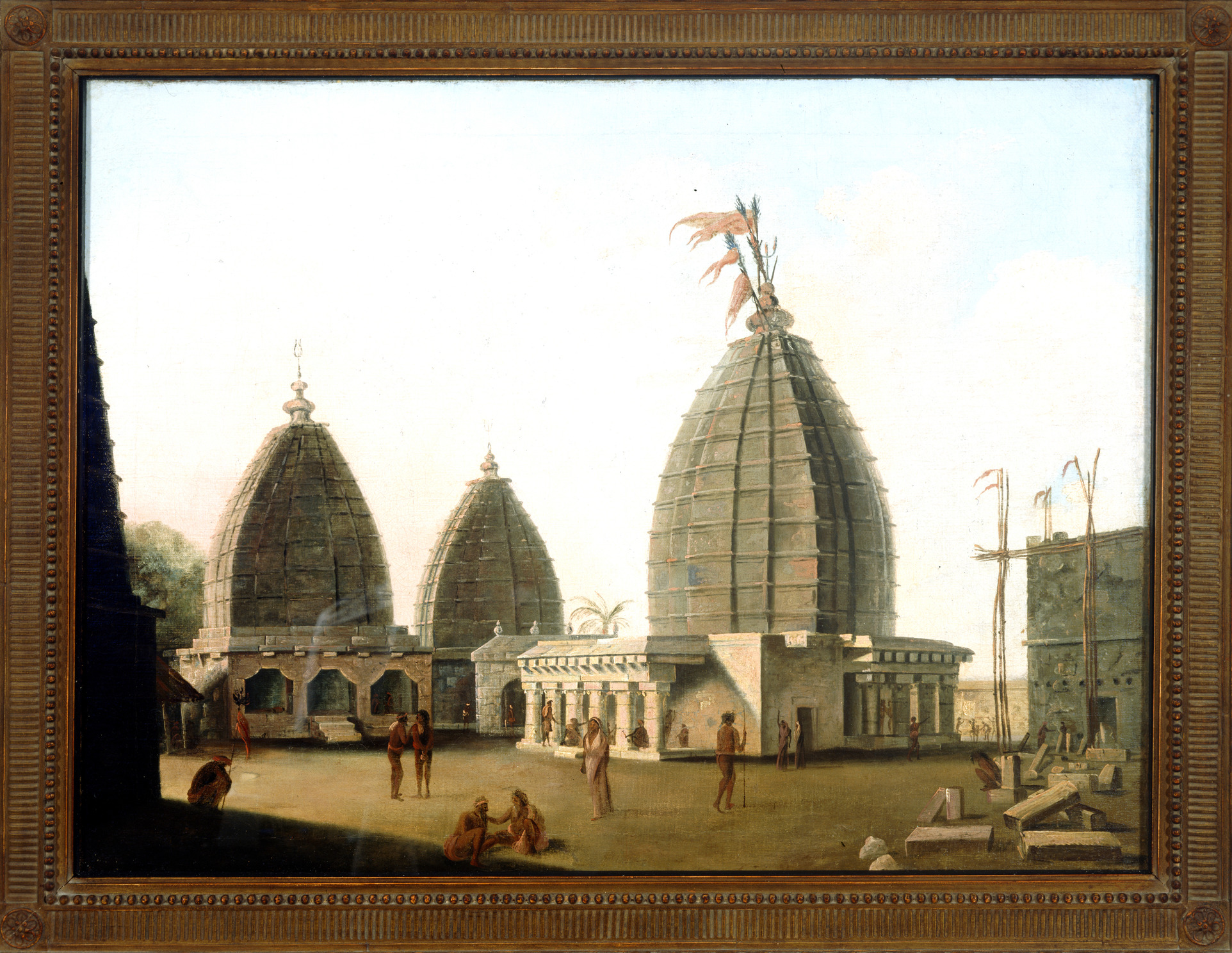
Imagine Shiva, not as a distant deity, but as a radiant pillar of light, manifesting at twelve sacred sites across India – these are the Jyotirlingas.

Before the vibrant hymns of Andal and Mirabai, before the philosophical depth of Kabir and Nanak, what were the earliest stirrings of devotional love that would blossom into the grand Bhakti movement?

Imagine standing at the edge of a river, not just seeing water, but feeling the presence of deities, hearing celestial hymns, and witnessing eons of sacred history unfold before your eyes.

In the relentless pursuit of career success, do you ever feel a disconnect between your ambitions and your inner values, leaving you questioning the "why" behind the hustle?

Have you ever wondered about the fundamental building blocks of reality—what truly constitutes the self, and what is merely the material world we perceive?

You've heard of Vata, Pitta, and Kapha, but do you know how these ancient principles of Ayurveda can unlock your personal blueprint for vibrant health and inner peace?

If the ultimate reality is One, how can two major schools of Vedanta, Dvaita and Advaita, describe it so differently?

Imagine a sea of devotion, the air thick with chanting, and colossal chariots moving with the collective will of thousands. This is Rath Yatra, a festival that draws millions, but what lies beneath the spectacle?

Imagine a colossal chariot, pulled by thousands, carrying a deity through crowded streets. This is Rath Yatra, but what lies beneath the spectacle, and why does it resonate so deeply with spiritual seekers?

If you've ever wondered about the vibrant traditions that venerate Vishnu, the preserver of the cosmos, you're about to discover a profound philosophy centered on devotion, divine grace, and the eternal nature of the soul.

We know Rama as the perfect avatar, Sita as the epitome of virtue, and Ravana as the ultimate villain. But what if the Ramayana's true genius lies in the hidden journeys of its characters, the subtle shifts that make them resonate across millennia?

In a world saturated with information but starved for wisdom, do you ever feel adrift, searching for a guiding hand to navigate life's intricate challenges?

What if the ancient Indian concepts of Sattva, Rajas, and Tamas weren't just spiritual metaphors, but a sophisticated psychological map of the human mind, predictive of modern scientific findings?

What if the subtle energy centers described in ancient yogic traditions have tangible, measurable effects on our minds and bodies, understandable through modern psychology and neuroscience?
Imagine a civilization so ancient that its foundational thinkers contemplated the very nature of consciousness, the universe, and our place within it, leaving behind teachings that still resonate today.

When we hear "ahimsa," most of us think of not hitting or harming. But what if this ancient principle calls us to a far more active and nuanced ethical engagement with the world?

We marvel at the epic clashes in the Puranas, where divine beings and formidable demons fight with cosmic power. But beyond the spectacle, these battles are ancient ethical training grounds, teaching us about the very essence of dharma.

If the world you perceive is not entirely real, what is? This question lies at the heart of understanding Maya, a concept so profound it has shaped millennia of Hindu thought.

What if the most impactful gift you ever give isn't measured in rupees or objects, but in intention and action?

You meticulously plan your work projects, optimize your schedule, and invest in self-improvement, yet find yourself battling afternoon slumps, scattered thoughts, and a pervasive sense of overwhelm. What if the key to unlocking your peak performance isn't in another productivity hack, but in what yo

Do you ever feel like an unseen force is dictating your mood, your energy levels, and even your decisions — making you either sluggishly demotivated, restlessly driven, or blissfully calm?


When we hear about Sita's abduction or Draupadi's humiliation, do we only see victims, or do we witness ancient women navigating complex ethical landscapes with surprising agency?

Imagine walking into your home and feeling an immediate sense of calm and vitality – not because of its decor, but because of its inherent energetic blueprint.

The epic battle between Rama and Ravana is more than a legendary war; it's a profound exploration of the forces that shape human destiny and the eternal struggle between virtue and vice.

When you see an image of Surya, what do you truly see beyond a figure with a radiant disc?

Imagine a melody so sweet, so profound, it draws every soul towards its source, making the world melt away. This is the essence of Krishna Leela, not as history, but as an eternal invitation whispered directly to your heart.

What if the food you eat could directly influence your mood, clarity, and spiritual connection?

When the crescent moon ushers in Muharram, many observe a period of solemnity. But what if this sacred time holds echoes of ancient wisdom that can deepen your own spiritual practice, regardless of your faith tradition?


For millions, Ganesh Chaturthi is a vibrant festival of clay idols, joyous processions, and communal feasts, but its roots run far deeper than the modern spectacle, entwined with ancient philosophies and pivotal historical shifts.

What if the deepest secrets of creation weren't hidden in ancient texts, but encoded in simple, resonant sounds that vibrate at the very core of existence?

You see the idols everywhere, hear the joyous chants, but what are the essential steps that truly bring Lord Ganesha into your home and heart during Ganesh Chaturthi?

When you hear about ancient Indian wisdom, who are the figures that come to mind — the ones who saw truths beyond ordinary perception?

What if the greatest war in ancient India wasn't fought on the plains of Kurukshetra, but within the hearts and minds of its central figures?

If you've delved into the profound questions of existence in Indian philosophy, you've likely encountered Samkhya and Yoga, two systems often discussed in tandem, yet possessing distinct contributions to the path of liberation.

While the Rigveda lays the foundation of Vedic thought, it is the Samaveda that breathes life into these hymns through music, revealing a profound connection between sound, ritual, and the divine.

Have you ever watched the sacred smoke of a Havan rise, carrying offerings into the heavens, and wondered about its true purpose beyond a mere ritual?

In a world buzzing with endless advice and fleeting trends, do you ever feel adrift, searching for a steady anchor or a clear direction?

In a world of instant news and constant digital noise, how can an ancient Sanskrit epic written thousands of years ago possibly offer solutions to the problems you face today?

Are the Devas inherently good and the Asuras purely evil, or does the eternal conflict between them reflect a more profound truth about our own nature?
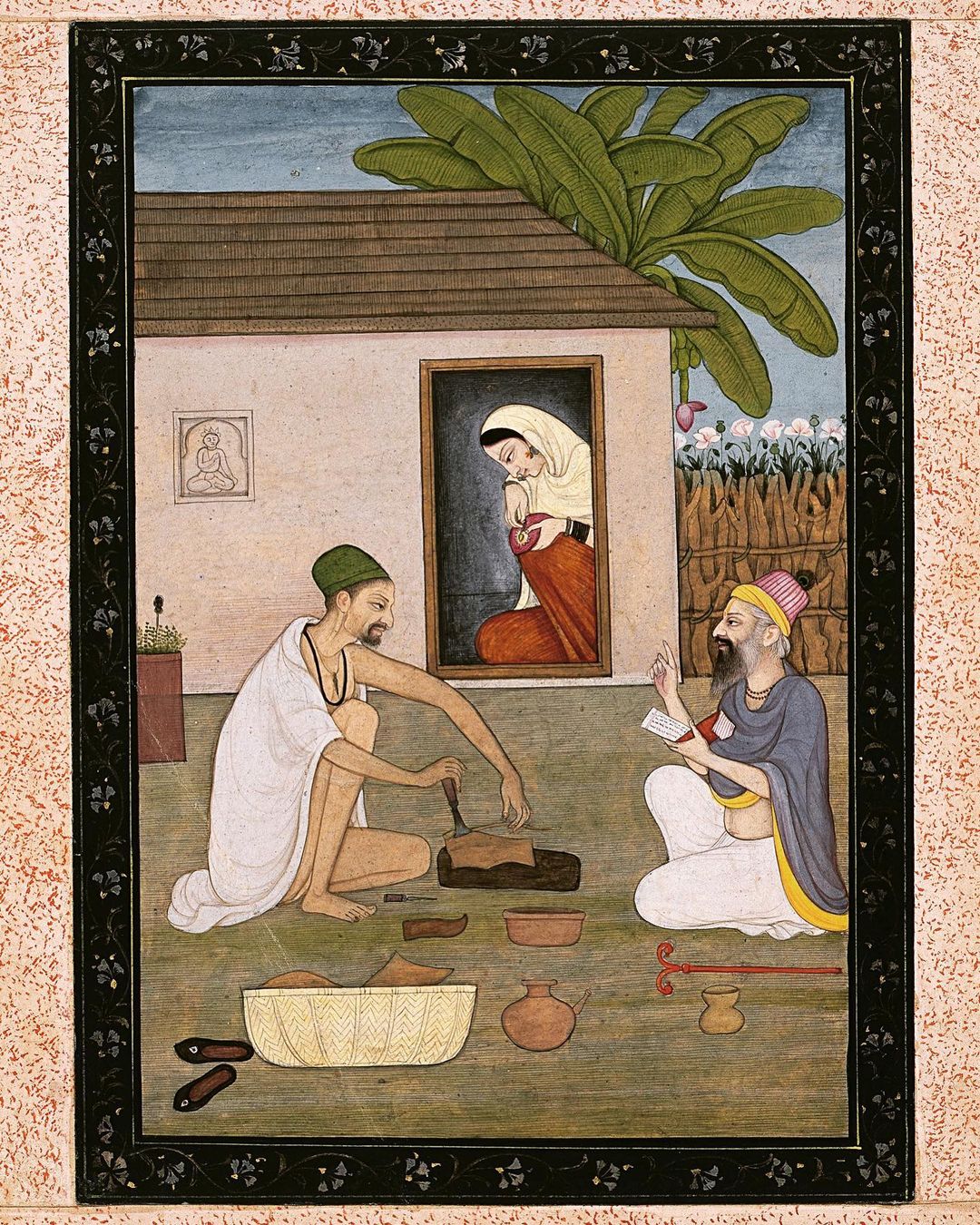
What if the path to the Divine wasn't paved with complex philosophy, but with something as simple and profound as a song, a tear, or an act of selfless service?

Have you ever wondered if spiritual awakening is always a dramatic, lightning-bolt moment, or if there's a quieter, more accessible way to deepen your inner life?

What if the sprawling drama of the Mahabharata isn't just a tale of gods and kings, but a profound, ancient psychology textbook?

As the air fills with the scent of incense and the rhythm of devotional songs, Navratri unfolds as a profound period of spiritual practice – but do you know why each step of its intricate rituals matters?

Long before rings, vows, or legal contracts, what drove humans to pair up, and how did that simple act transform into the multifaceted institution of marriage we recognize today?

You’ve heard of them – the mystics, the poets, the rebels who sang, danced, and sometimes even fought for their love of God. But what truly set these Bhakti saints apart, and how can their journeys illuminate ours today?

When the conch shell sounds and armies clash in the epics of India, what are we truly witnessing – a historical event, or a timeless drama playing out within us?

When you hear the name Kali, what comes to mind? For many, it’s an image of fierce destruction. But this popular perception is only a sliver of a much grander, more complex divine reality.

When we hear the names Sita, Draupadi, or Gandhari, what images first arise? Are they simply wives, victims, or pawns in a cosmic game, or is there a deeper narrative of power and consciousness waiting to be uncovered?

Imagine a moment of profound stillness, where the fear of mortality dissolves into the gentle hum of an ancient vibration, a sound that doesn't just echo in the air but resonates deep within the very essence of your being.
We've all heard of the Mahabharata war and Rama's battle with Ravana, but what if these aren't just tales of good versus evil, but intricate maps of cosmic law?

You’ve heard about Vastu Shastra for a balanced home, but are you accidentally creating imbalance without realizing it?

Have you ever stood before a towering Hindu temple and wondered if its intricate carvings and majestic spires hold more meaning than meets the eye?

You've heard the whispers, the sensational tales, perhaps even the warnings: Kundalini. But what *is* this primal energy, and why is it central to the yogic path?

In a world that constantly demands more — more speed, more output, more connection — do you ever feel like you're running on empty, disconnected from yourself?

Before he was a divine king enshrined in temples across India, who was Rama, and where did the stories of his life and exploits first emerge?

When you hear "Tantra," what comes to mind? For many, it's a whispered secret of esoteric rituals or even outright sensationalism. But what if the true essence of Tantra is a profound philosophy of embracing *everything* to find the divine?

We know Krishna as the divine child stealing butter, the charming flute player, and the charioteer who delivered the Bhagavad Gita. But what if these vivid tales are not just divine pranks, but intricate parables designed to teach us enduring moral truths?

What if the ancient Gayatri Mantra, revered for millennia, held keys to cognitive enhancement and stress reduction that modern science is only beginning to understand?

Imagine waking up feeling centered, calm, and connected, even before the day's demands begin. This isn't a distant dream; it's the power of a simple spiritual routine.

If you've ever been captivated by the vibrant colors of a Holi festival or the serene chants of a Vedic ritual, you've glimpsed the profound traditions shared between Nepal and India – a heritage as ancient as the Himalayas themselves.

Can a system of medicine developed millennia ago offer insights relevant to today's most pressing health challenges, backed by quantifiable results?

When you hear about the battles between Gods and Demons in Hindu lore, do you picture epic wars with celestial weapons? What if those clashes were happening not in distant heavens, but within your own heart and mind?

When you hear about Bakrid, what comes to mind? For most, it's about sacrifice and celebration. But what if this sacred Islamic festival holds a profound echo of ancient Vedic wisdom, a lesson in surrender that resonates deeply with the Hindu path?

When the cycle of birth and death feels like an inescapable prison, two profound concepts offer the ultimate keys to freedom: Moksha and Nirvana.

In an age of constant connection and endless distractions, why do so many of us still feel a deep, gnawing sense of "is this all there is?"

If you've heard that Hinduism is all about "oneness," what do you do with a school of thought that insists on a real, eternal difference between you and the Divine?

When we speak of Hindu traditions, do images of subservient wives and ascendant male gurus immediately come to mind, or is there a more nuanced narrative waiting to be discovered?

You've hit a wall at work, faced a betrayal, or felt utterly overwhelmed by life's chaos. In those moments, the ancient tales of Shiva offer not just comfort, but a blueprint for navigating the storm.

In a world of constant change and overwhelming demands, the wisdom of figures like Adi Shankaracharya, Ramanujacharya, and Madhvacharya might seem like relics of a bygone era. But what if their lives held the very keys to unlocking peace and purpose in *your* demanding modern life?

If you've heard tales of the Mahabharata, you know of its epic battles and divine interventions. But have you ever wondered about the *people* at its heart – the ones whose choices, flaws, and virtues echo through the ages?

When you picture Vishnu, you likely see a serene, blue-skinned figure, perhaps holding a discus. But what do those four arms, the conch, the Sudarshana Chakra, and the lotus truly signify?

Before the rings, the vows, and the white dresses, what did "marriage" even mean to our earliest ancestors?

Have you ever wondered if the stars and planets hold clues to your personality, your challenges, and your path in life?

When we speak of Shiva, images of the ascetic yogi, the cosmic dancer, or the destroyer of illusion often come to mind. But who is the divine force that grounds his power and completes his being?

What if the ancient concept of Samsara—the endless cycle of birth, death, and rebirth—is not just a spiritual metaphor, but a remarkably accurate description of our own psychological patterns of suffering?

Is Hindu marriage a divine blueprint for gendered duties, or a spiritual partnership with evolving expressions?

Imagine a library so ancient, its texts were not written but sung, passed down through generations for millennia before ever being committed to parchment.

You’ve seen it everywhere – on temples, homes, even in wedding invitations. But what does the Swastik *truly* mean, and why is it so revered?

Do you think a yantra is a magical amulet that instantly grants wishes, or perhaps just a pretty geometric pattern? The truth is far more profound, and revealing these common misconceptions unlocks its true power.

You’ve heard of Ayurveda – the ancient Indian system of medicine promising balance and vitality. But if you're trying to adopt its principles and feel more confused than healthy, you're likely making one of these common, yet avoidable, mistakes.

You’ve marveled at the intricate carvings and towering gopurams, but have you ever wondered if the ancient rishis designed temples as mere places of worship, or as something far more profound?

Have you ever wondered why some things happen to you, good or bad, as if by fate? The answer, according to ancient Indian wisdom, lies in a concept called karma.

For millennia, it has symbolized prosperity, good fortune, and spiritual well-being. Yet, for many, the mere sight of this ancient symbol evokes only horror.

If you think Ahimsa just means "don't hit anyone," you're only scratching the surface of one of Hinduism's most profound ethical teachings.

If the ultimate goal of spiritual practice is to know the Divine, why are there seemingly so many paths to get there?

You've heard them — the short, sharp sounds like "Om," "Aim," "Hrim." Beej mantras are often portrayed as mystical keys to instant enlightenment or wish fulfillment, but what if their true power lies in something far more subtle and profound?

In a world brimming with connection, why do so many of us feel profoundly alone, striving for more yet feeling less fulfilled?

You've heard about chanting mantras, but what if the true power of japa lies not just in the sound, but in the *how*?

Imagine standing at the foot of the Himalayas, the air alive with ancient chants, ready to embark on a spiritual odyssey that has captivated seekers for centuries.

When we picture Lakshmi, images of overflowing coins and a benevolent smile often come to mind. But what if her true essence is far richer, woven into every symbol she holds?

Do you ever feel like you're drowning in information, opinions, and obligations, struggling to know what's truly real or important?

Is Mahashivratri merely a night of fervent prayer, or does it tap into deeper cosmic and physiological rhythms?

You're feeling perpetually tired, stressed, and your digestion is never quite right, yet your doctor says your blood work is "normal." Is this the best we can do for our health?
When you hear the word "sage" or "rishi," do you picture a wise elder with a long beard? While that image isn't entirely wrong, these figures in Hindu tradition represent so much more than just age and wisdom.