
Charting the Unfolding of an Ancient Civilization
A civilization whose roots stretch back over 5,000 years, a continuous thread of cultural evolution that has shaped a subcontinent and influenced the world, is rooted in the Indus Valley, where archaeologists have uncovered evidence of sophisticated urban planning and water management systems dating back to 3300 BCE. The discovery of these ancient cities, with their carefully laid out streets and advanced sewage systems, challenges the common notion that ancient Indian culture was primarily rural and agrarian. You've probably heard of the Vedas, but it's the layering of these texts over time that reveals a complex society. The people who created these cities left behind a rich cultural heritage, including artifacts and texts that provide a glimpse into their daily lives and spiritual practices. That's what makes this history so compelling, it's not just about ancient kingdoms and empires, but about the people who lived and worshipped in these cities, and how their beliefs and practices continue to shape Indian culture today.
The Dawn of Civilization: Indus Valley and Early Vedic Period (c. 3300–1500 BCE)

The Indus Valley Civilization, which flourished from around 3300 to 1300 BCE, is a fascinating example of sophisticated urban planning, with its well-organized cities and advanced water management systems. That's what makes the decline of this civilization so intriguing, as it's still not entirely clear what led to the abandonment of these cities. The transition from the Indus Valley Civilization to the Vedic period is a complex one, marked by the migration of Indo-Aryan peoples into the Indian subcontinent. You've probably heard of the Vedas, the ancient texts that are still considered sacred in Hinduism today, and it's during this period that they were composed.
The early Vedic period was characterized by a polytheistic religious system, with a pantheon of gods and goddesses worshipped through ritualistic sacrifices. The Rigveda, one of the oldest of the Vedic texts, provides a glimpse into the spiritual practices of the time, with its hymns and prayers to various deities. It's interesting to note that the Vedic people were initially pastoral nomads, but as they settled in the Indian subcontinent, they began to develop more complex social structures.
As the Vedic period progressed, the Indo-Aryan peoples began to settle in agricultural communities, marking a significant shift away from their nomadic lifestyle. This transition saw the development of early kingdoms, with the emergence of a more complex social hierarchy. The later Vedic period, which spanned from around 1500 to 500 BCE, was a time of great change and transformation, laying the foundations for the development of Indian culture as we know it today. The nature of early Vedic society was complex and multifaceted, and it's still not fully understood, but that's what makes it so compelling to study.
The Age of Empires and Philosophical Flourishing: Mahajanapadas, Mauryan, and Gupta Eras (c. 600 BCE – 550 CE)

Ashoka the Great's transformation from a ruthless conqueror to a benevolent ruler, who embraced Buddhism and spread its teachings throughout his vast empire, is one of the most fascinating stories in ancient Indian history. This shift occurred after a brutal war in Kalinga, which led to immense loss of life and a profound change of heart for Ashoka, prompting him to adopt the principles of non-violence and tolerance that Buddhism espoused. The Mauryan Empire, under Ashoka's rule, became a hub for Buddhist learning and culture, with the establishment of numerous monasteries, universities, and monuments that still stand today. Chandragupta Maurya, Ashoka's grandfather, had laid the foundations for this empire, consolidating power and unifying much of India under one rule, but it was Ashoka who gave the empire its distinctive philosophical and cultural flavor.
The Mauryan Empire was preceded by the Mahajanapadas, a collection of powerful kingdoms that rose to prominence around 600 BCE, including Magadha, which would eventually become the seat of the Mauryan Empire. This period saw a great deal of philosophical ferment, with the emergence of Buddhism and Jainism, two religions that would go on to shape Indian thought and culture for centuries to come. The rise of these new religions was a response to the social and economic changes taking place in ancient India, as well as a reaction against the rigidities of the Vedic tradition. The Mahajanapadas were also marked by a high degree of political instability, with kingdoms constantly vying for power and influence, but this turmoil also created an environment in which new ideas could flourish.
The Gupta Empire, which came to power around 320 CE, is often referred to as India's "Golden Age," a period of great cultural and scientific achievement. This was an era of significant advancements in mathematics, astronomy, literature, and art, with scholars like Aryabhata making major contributions to our understanding of the universe. The Gupta period also saw the codification of Hindu law and philosophy, with the development of the Dharmashastras, texts that outlined the principles of Hindu ethics and morality. The caste system, which had its roots in the Vedic period, became more rigidly defined during this time, with the emergence of a complex hierarchy of social classes. Sanskrit literature also flourished, with the works of poets like Kalidasa, who wrote beautiful and evocative plays and poems that are still studied and performed today. It's a testament to the enduring power of Indian culture that these works continue to inspire and influence people to this day.
The Classical Period and Regional Developments (c. 550 CE – 1200 CE)

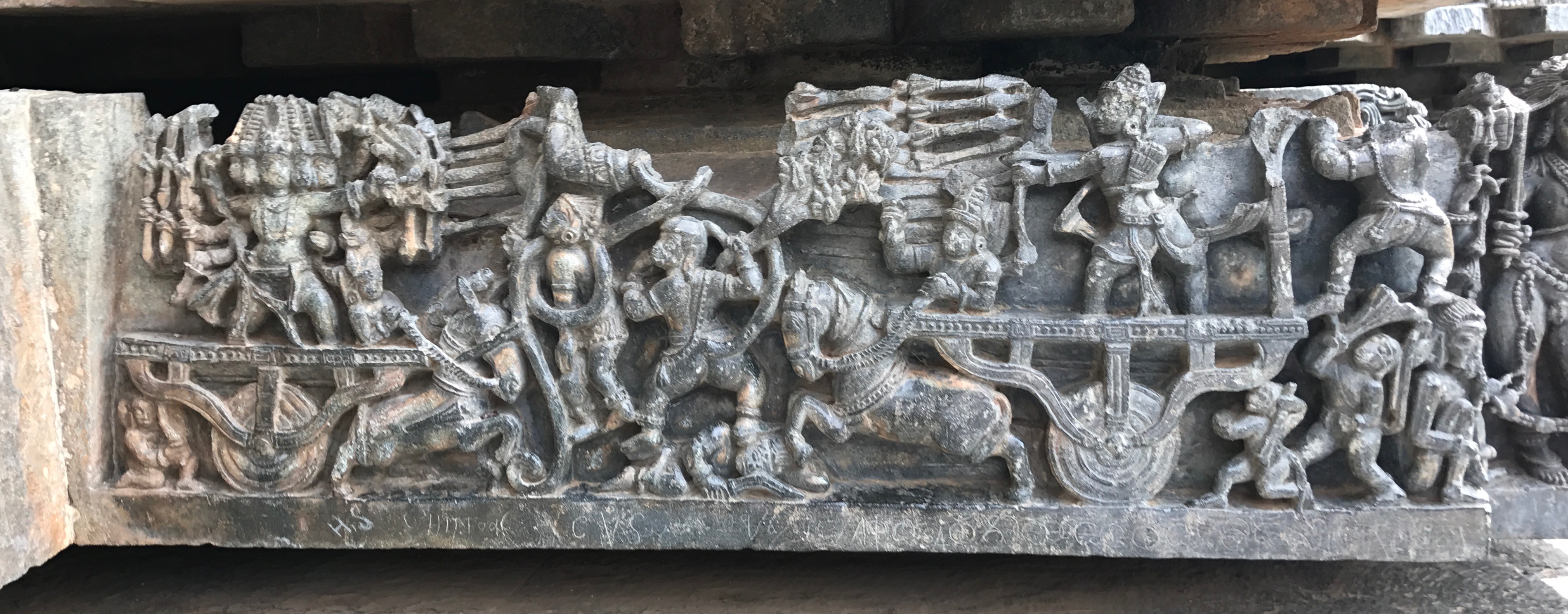
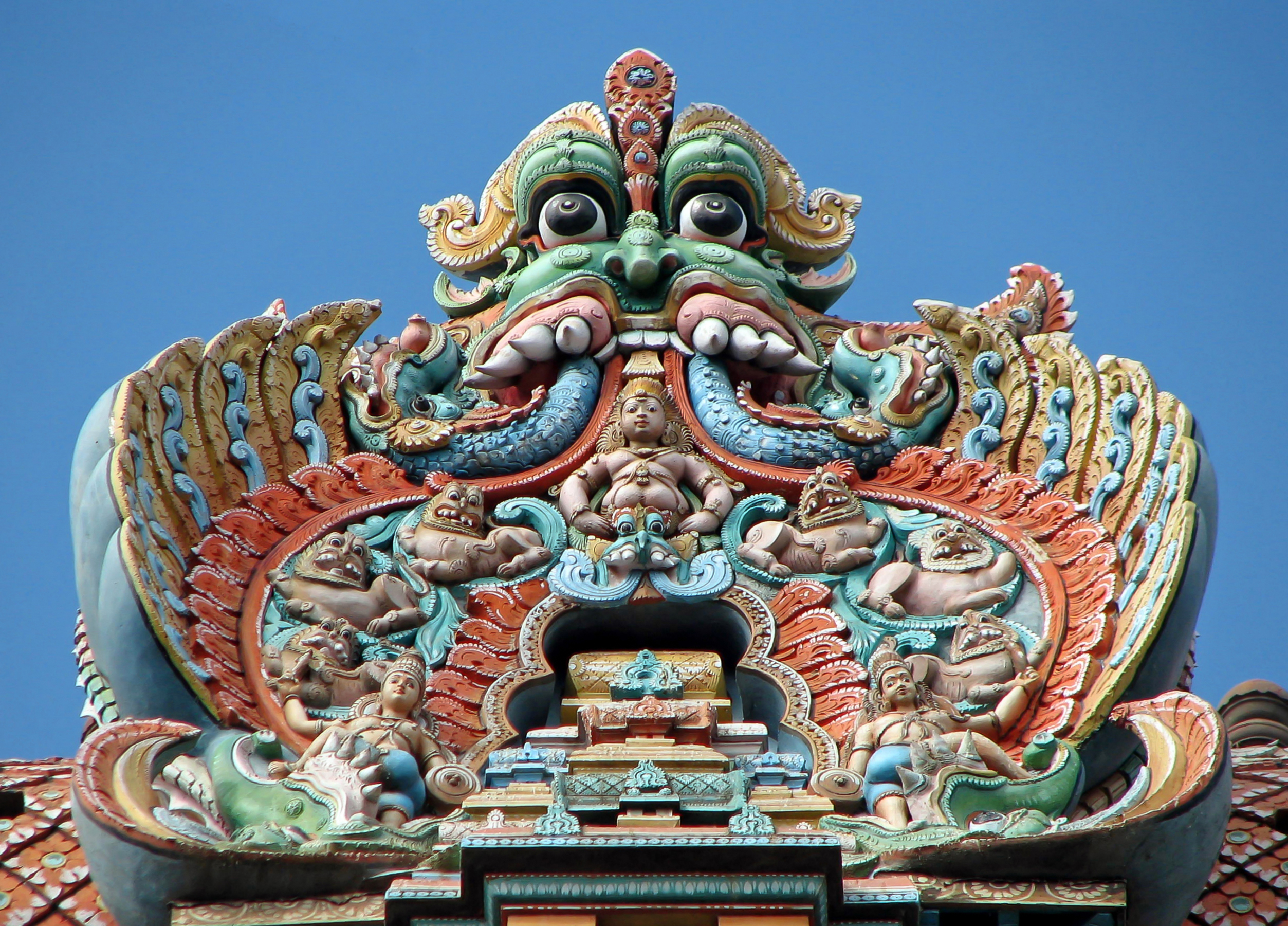
The Cholas in southern India built temples that still stun people with their intricate carvings and towering spires, a testament to the engineering and artistic skills of the time. These temples, like the Brihadeeswarar Temple in Thanjavur, were more than just places of worship - they were centers of learning and culture that helped spread classical Indian arts and sciences across Southeast Asia. As the large empires of ancient India declined, regional kingdoms like the Cholas, Rajputs, and Chalukyas rose to power, each with their own distinct culture and traditions. It's interesting to note that this political fragmentation didn't lead to a decline in cultural achievements, but rather a proliferation of new ideas and artistic expressions.
The Bhakti movements, which emphasized personal devotion to a deity, began to gain popularity during this period, and they had a profound impact on Indian literature and music. Poets like Mirabai and Tukaram wrote beautiful, passionate songs that expressed their love for God, and these songs are still sung today. The development of Puranic Hinduism, with its rich mythology and symbolism, also continued to evolve, influencing art, literature, and philosophy. Tantra, with its emphasis on ritual and spiritual practices, also became more widespread, and its influence can be seen in the art and architecture of the time.
The classical Indian arts, including music, dance, and theater, were disseminated across Southeast Asia, where they had a lasting impact on local cultures. Indian traders and travelers carried these arts with them, and they were adapted and transformed in new contexts. The early invasions of India, particularly by Muslim armies from Central Asia, also began to shape the cultural trajectory of the subcontinent, leading to new cultural exchanges and influences that would continue to evolve over time. Don't think that these exchanges were one-way - Indian culture also had a profound impact on the invaders, shaping their art, literature, and philosophy. The cultural landscape of India was forever changed by these interactions, and it's still evolving today.
The Enduring Legacy of Ancient Indian Culture
Ancient India's cultural timeline reveals a continuous evolution from sophisticated early urban centers to vast empires and vibrant regional kingdoms. This era witnessed the birth and development of major philosophical and religious systems that continue to shape global thought and practice. The enduring contributions in art, science, literature, and governance laid the groundwork for modern Indian civilization and its influence worldwide. You've seen how these interactions shaped the cultural landscape of India, and it's still evolving today. Explore a specific period or cultural contribution from ancient India that resonates with you and learn more about its fascinating details. That's where the real discovery begins, and you might find that ancient India's rich cultural heritage still has a lot to offer.
Sources & References
- Ancient India Timeline in One Shot | History Revision (Pre-Historic to ...
- Ancient India: A Historical Timeline - LinkedIn
- Timeline of Ancient India by - Sutori
- Timeline of Indian history - Q-files - Search • Read • Discover
- Timeline: India
- Episode 1 | The Story of India - Timeline | PBS
- High level timeline of Indian History : r/IndianHistory - Reddit
- Timeline of Indian history - Wikipedia