A Shared Heritage, A World of Difference
If you've ever been captivated by the vibrant colors of a Holi festival or the serene chants of a Vedic ritual, you've glimpsed the profound traditions shared between Nepal and India – a heritage as ancient as the Himalayas themselves. The sound of the shankha, a conch shell trumpet, still echoes through the valleys, signaling the start of a puja, a ritual that weaves together the lives of people from different walks of life. This shared cultural DNA is rooted in the ancient Vedic traditions that once flourished in the Indian subcontinent, where the sacred rivers Ganga and Koshi flow. Nepal's unique blend of Hinduism and Buddhism has given birth to a distinct spiritual landscape, one that's reflected in the majestic stupas and temples that dot its landscape. As the full moon rises over the Himalayas, it's a reminder that some things transcend borders, like the chants of the Vedas, which still resonate deeply in the hearts of people in both Nepal and India. The air is thick with the scent of incense and the soft glow of diyas, oil lamps that light up the darkness, a testament to the enduring power of tradition.
The Vedic Crucible: India and Nepal's Spiritual Foundation

The Vedic texts, particularly the Rigveda, laid the groundwork for concepts like Dharma, Karma, and Samsara, which still resonate deeply in the hearts of people in both Nepal and India. It's fascinating to see how these foundational ideas have been interpreted and reinterpreted over time, shaping the spiritual landscape of the region. You've likely heard of the Vedas, but what's often overlooked is how they've influenced the daily lives of people in both countries, from the rituals they perform to the way they think about their place in the world.
The historical migration and cultural exchange between India and Nepal played a significant role in spreading Vedic practices and philosophies across the border. Over millennia, people moved back and forth, sharing ideas and customs that eventually took root in Nepal. Sanskrit, as a liturgical and philosophical language, connected the scholarly traditions of both countries, allowing for a rich exchange of ideas and texts.
Concepts like Yajna, or fire sacrifice, have their roots in Vedic India, and while they've been interpreted differently in Nepal, they still reflect a shared cultural heritage. The Varna system, which divides society into different classes, also has its roots in Vedic India, and its adoption in Nepal highlights the complex and often fraught history of cultural exchange between the two countries. That's what makes the study of Vedic civilization so compelling, it's a window into the shared history and traditions of India and Nepal. The connection between these two countries runs deep, and it's still visible in the way they practice their faith today.
Nepal's Unique Spiritual Synthesis: A Confluence of Faiths

Nepal's spiritual landscape is a unique blend of Hinduism and Buddhism, with indigenous practices woven in, creating a distinct cultural fabric. The dominant presence of Hinduism is evident in the widespread worship of Shiva and Vishnu as supreme deities, and the numerous temples that dot the landscape. Temple culture is a significant part of Nepal's Hindu tradition, with many temples serving as community hubs where people gather to worship, socialize, and celebrate festivals. You've probably heard of the famous Pashupatinath Temple in Kathmandu, dedicated to Shiva, which attracts millions of devotees each year.
Buddhism in Nepal has a syncretic nature, particularly in the Newar traditions, where Buddhist stupas and monasteries often stand alongside Hindu temples. This blending of faiths is reflected in the way deities are sometimes merged, with Buddhist and Hindu gods and goddesses being worshipped together. The Newar people, indigenous to the Kathmandu Valley, have a rich cultural heritage that reflects this unique blend of Buddhism and Hinduism. That's what makes Nepal's spiritual landscape so fascinating, it's a place where different faiths coexist and intersect in complex ways.
In rural areas, indigenous shamanistic practices like Dhami and Jhankri play a significant role in the spiritual framework. These practices involve ritual healing, divination, and communication with spirits, and are often integrated into the broader Hindu and Buddhist traditions. Festivals like Dashain and Tihar, which have Hindu roots, are celebrated with unique Nepali customs and local deities, reflecting the country's cultural diversity. It's a testament to Nepal's ability to absorb and adapt different traditions, creating a distinct spiritual identity that's all its own. Nepal's spiritual synthesis is a complex and multifaceted phenomenon that continues to evolve, and that's what makes it so captivating.
India's Diverse Spiritual Expressions: From Ancient Mantras to Modern Movements

The philosophical schools of Hinduism, such as Advaita Vedanta, Dvaita, and Vishishtadvaita, have played a significant role in shaping India's spiritual landscape, with each tradition having its own geographical stronghold or prominent lineage. Advaita Vedanta, for instance, has a strong presence in the southern region of India, particularly in the state of Kerala, where it's been influential in shaping the local culture and spiritual practices. It's interesting to note that these philosophical schools have coexisted and interacted with each other, often leading to a rich exchange of ideas and influencing one another.
The devotional movements, known as Bhakti, swept across India, introducing key saints like Mirabai and Kabir, who had a profound impact on popular religious practices and regional deities. These movements emphasized personal devotion and emotional connection with the divine, which resonated deeply with the common people, leading to a proliferation of folk songs, poetry, and art. You've likely heard of the Bhakti movement's emphasis on love and surrender, but what's less known is how it influenced the development of regional languages and literatures.
Buddhism and Jainism have also had a significant presence in India, with their own distinct philosophical traditions that diverge from the Vedic roots of Hinduism. Buddhism, in particular, has a rich history in India, with the Buddha himself having lived and taught in the eastern regions of the country. The influence of Sufism, which arrived in India with Muslim invaders, merged with the Bhakti movement to create unique syncretic traditions, particularly in North India, where you can still see the vibrant expressions of this blend in the region's music, art, and architecture.
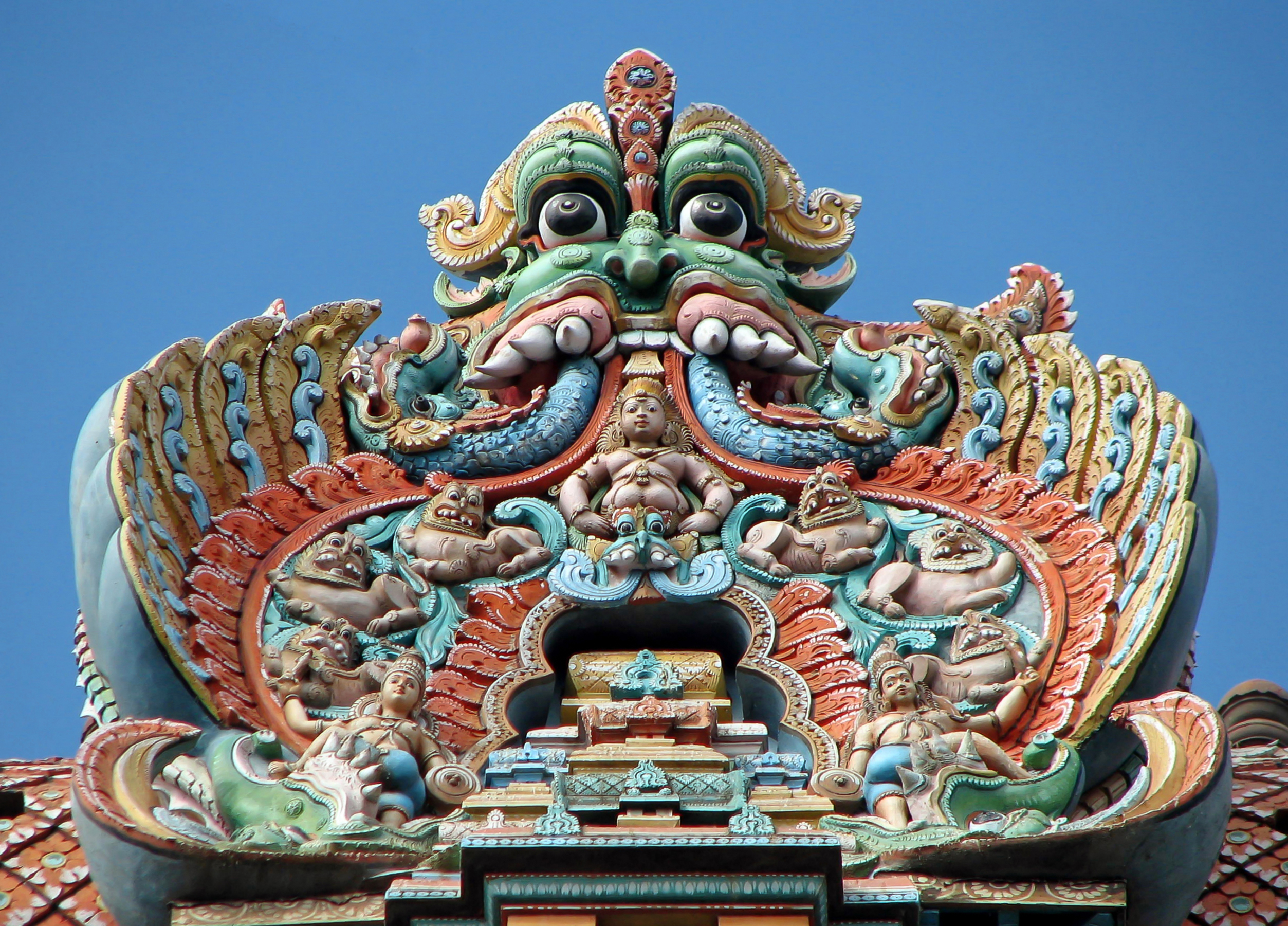
The temple traditions of South India are another notable aspect of India's spiritual diversity, with their intricate carvings, vibrant festivals, and distinct ritual practices. That's what makes India's spiritual landscape so fascinating - it's a complex, ever-evolving tapestry of traditions, each with its own story to tell, and that's what continues to inspire and captivate people to this day.
Festivals and Rituals: Threads of Connection and Distinction

Deepavali and Holi are two festivals that showcase the shared heritage and unique cultural expressions of Nepal and India. While the core themes of these festivals remain the same, local customs and regional deities honored vary significantly between the two countries. For instance, in Nepal, the worship of Goddess Laxmi during Deepavali is a prominent feature, whereas in India, the celebrations are more focused on the triumph of Lord Rama over Ravana. Holi, on the other hand, is celebrated with great fervor in both countries, but the rituals and customs surrounding it differ, with Nepal's festival being more subdued and India's being more vibrant.
Janmashtami and Shivaratri are two pan-Indian festivals that are observed with distinct Nepali reverence and practices. In Nepal, these festivals are celebrated with great devotion, and the rituals are often unique to the region. The festival of Janmashtami, which commemorates the birth of Lord Krishna, is celebrated with great fanfare in Nepal, with devotees thronging to temples and participating in traditional dances and music. Shivaratri, which honors Lord Shiva, is also an important festival in Nepal, with devotees observing fasts and offering prayers at the Pashupatinath temple.
Pilgrimage sites like Pashupatinath in Nepal and Varanasi in India hold great spiritual significance for devotees from both nations. These sites are considered sacred, and millions of people visit them every year to seek blessings and spiritual enlightenment. Daily rituals like Sandhya Vandanam and home pujas are also common practices that maintain continuity of tradition across the cultural borders. You've likely noticed that despite the variations in customs and practices, the underlying spiritual principles remain the same, and that's what binds the people of Nepal and India together in a shared spiritual heritage. It's this complex interplay of shared traditions and unique cultural expressions that makes the spiritual landscape of Nepal and India so rich and fascinating.
Embracing a Living Heritage
The traditions of Nepal and India are deeply intertwined, rooted in a shared Vedic past that continues to shape their spiritual present. Nepal presents a unique synthesis, harmoniously blending Hinduism, Buddhism, and indigenous beliefs, while India offers a vast spectrum of Hindu and other religious expressions. Shared festivals and pilgrimage sites act as powerful conduits for cultural connection, reminding us of the enduring strength of these ancient traditions. You've got a chance to experience this connection firsthand, so explore one tradition that resonates with you from either Nepal or India this week, perhaps through reading, listening to devotional music, or observing a related practice in your community. This exploration can deepen your understanding of the spiritual heritage that binds these two nations together, and that's what makes their traditions so fascinating.
Sources & References
- Explore Nepal Culture and Traditions | Complete Guide 2026 | Nature Excursion
- Culture And Traditions In Nepal | Rich & Vibrant
- Nepal's Traditions: A Cultural Exploration | GVI
- Nepal's Traditions: A Cultural Exploration | GVI
- Unique traditions in Nepal | HoneyGuide
- Culture of Nepal | Customs and Religion of Nepal
- Culture of Nepal - Festivals, Dance, Cuisine, Customs
- Nepal's Cultural Do's and Don'ts