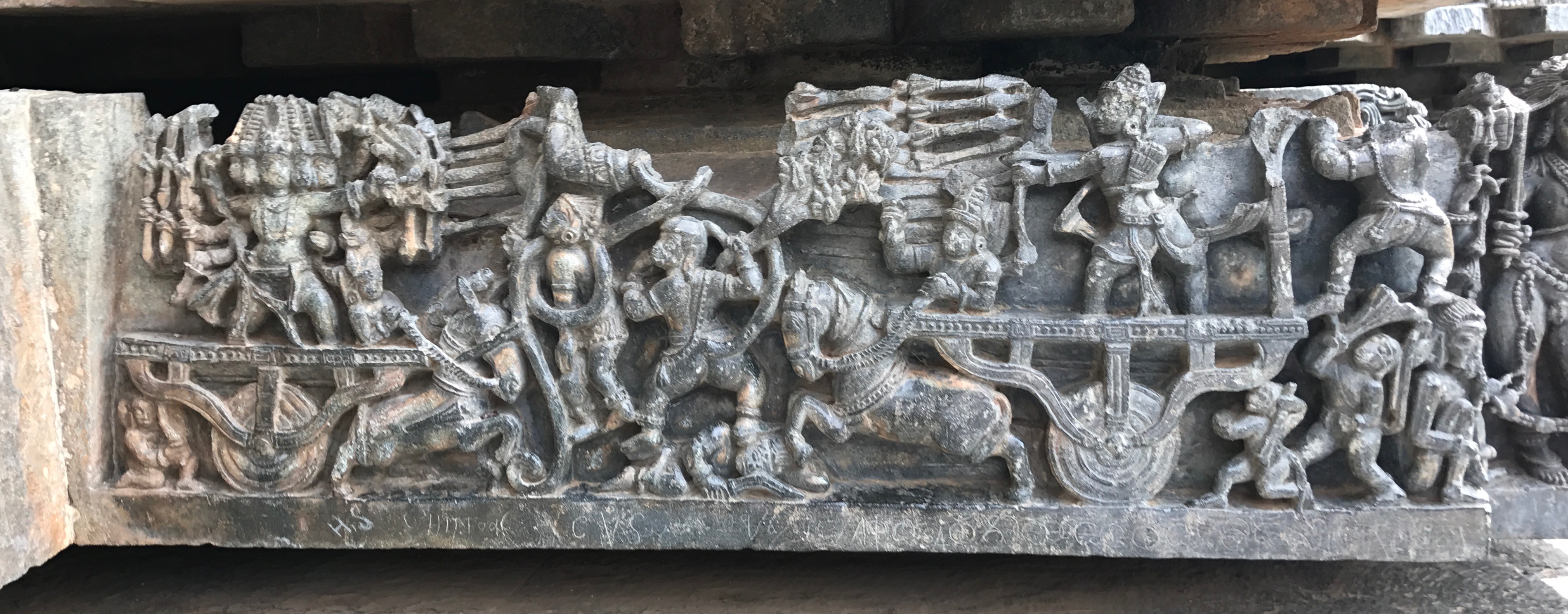

From Primal Bonds to Sacred Vows
Long before rings, vows, or legal contracts, what drove humans to pair up, and how did that simple act transform into the multifaceted institution of marriage we recognize today? It's surprising to consider that early human societies didn't have a concept of marriage as we know it, yet they still formed pairs for survival and protection. You've likely heard that these early pair-bonds were driven by practical needs, like shared resources and mutual support. That's true, but it's also incomplete - these pairings played a crucial role in building alliances between families and tribes, which helped to ensure the survival of their communities. The earliest recorded marriage practices emerged in ancient Mesopotamia, where marriage was a social and economic arrangement between families, often sealed with a contract that outlined the terms of the union. This marked the beginning of a long process of codification and ritualization that would eventually give rise to the complex institution of marriage.
The Dawn of Partnership: Prehistoric and Early Civilizations

It's surprising that the concept of pair-bonding, a fundamental aspect of human relationships, has its roots in practical considerations such as resource sharing, child-rearing, and mutual protection. Anthropological theories suggest that these factors drove the emergence of informal unions in early human societies, where the absence of formalized marriage rituals didn't hinder the formation of lasting bonds between individuals. You've likely heard that marriage is a universal institution, but that's not entirely accurate - many early human societies didn't have a concept of marriage as we know it today.
In ancient Mesopotamia and Egypt, marriage began to take on a more formalized role, particularly in relation to property inheritance, alliances, and societal structure. The emergence of marriage in these civilizations marked a significant shift towards the codification of relationships, with contracts and rituals becoming integral components of the union. That's when marriage started to resemble what we recognize today.
The early Vedic period in India offers another fascinating glimpse into the evolution of marriage, with the concept of Vivaha emphasizing the social and familial duty of procreation and continuation of lineage. Marriages were often arranged, with the primary goal of securing alliances and strengthening family ties. It's interesting to note that the notion of romantic love as a primary motivator for marriage was not a dominant theme in these early societies. Don't expect to find many stories of romantic courtship in ancient texts.
As we explore the history of marriage, it becomes clear that the institution has been shaped by a complex interplay of social, economic, and cultural factors. The concept of marriage has evolved significantly over time, influenced by the unique circumstances and values of each civilization. That's what makes the history of marriage so rich and multifaceted, with each era and culture leaving its mark on this fundamental human institution.
Marriage in Classical Antiquity: Philosophy, Law, and Religion

Plato's views on marriage are particularly striking, as he argued that the ideal society would be one in which women were free to pursue the same occupations as men, and marriage was based on a deep emotional and intellectual connection between partners. This was a radical idea for ancient Athens, where marriage was seen as a civic duty focused on producing legitimate heirs and managing households, with distinct gender roles. In Athens, marriage was a highly structured institution, with women expected to manage the household and raise children, while men were responsible for public life and civic duty.
Athenian marriage was also influenced by Roman marriage law, which recognized different forms of matrimony, such as confarreatio, coemptio, and usus, each with its own set of rules and requirements. Roman law also established a legal framework surrounding consent and dissolution, with marriage requiring the consent of both parties, and divorce being a relatively straightforward process.
The early Judeo-Christian perspectives on marriage also played a significant role in shaping the institution, with marriage being established as a divine ordinance, a union of one man and one woman, and its role in procreation and companionship. This is evident in early scriptural interpretations, which emphasize the importance of marriage as a sacred bond between two people. Aristotle's views on marriage, on the other hand, were more pragmatic, focusing on the role of marriage in maintaining societal harmony and ensuring the continuation of the family line.
The interplay between these different philosophical and cultural influences is what makes the history of marriage in classical antiquity so fascinating, with each culture and philosopher contributing their own unique perspective on the institution. You've got to consider the historical context in which these ideas developed, and that's what makes it so complex. It's a complex institution that has evolved over time, and its development is still influencing societal norms today.
The Medieval and Renaissance Evolution: Faith, Feudalism, and Formalization

The idea that marriage is a sacrament, a concept that would become deeply ingrained in Western European culture, emerged during the medieval period, as the Church's influence on the institution grew. It's surprising to see how quickly the Church's role in marriage expanded, leading to the development of canon law that would govern marriage for centuries to come. You've got to consider the impact this had on the average person, who now had to navigate a complex set of rules and regulations when it came to marriage.
As the feudal era took hold, arranged marriages became a common practice among noble families, driven by the need for political alliances and land consolidation. These marriages were often more about securing power and wealth than about personal choice or love. It's a fascinating dynamic, where the institution of marriage was used as a tool for political maneuvering.
The Renaissance brought a shift in attitudes towards marriage, with individual choice and romantic love beginning to be acknowledged, albeit within strict social boundaries. This was a gradual change, and tradition still played a significant role in shaping marriage practices. It's interesting to note that while the Renaissance is often associated with a sense of freedom and creativity, marriage during this period was still heavily influenced by social norms and expectations.
In India, during this same period, marriage continued to be influenced by the Dharmashastras, with an increasing emphasis on elaborate rituals and caste endogamy. The rituals surrounding marriage became more complex, with a focus on maintaining social hierarchy and upholding traditional values. It's a complex and multifaceted history, and one that continues to shape societal norms today, with the legacy of these medieval and Renaissance developments still evident in modern marriage practices.
Modernity and Marriage: Rights, Reforms, and Redefinitions

The concept of marriage underwent a seismic shift with the advent of the Enlightenment, as the emphasis on individual consent and choice began to challenge traditional notions of union. This marked a significant turning point, as democratic revolutions across Europe and North America started to redefine the institution of marriage, placing a greater emphasis on personal autonomy and agency. You've likely heard that the Enlightenment had a profound impact on many aspects of society, but its effects on marriage are particularly noteworthy.
As the 19th and 20th centuries progressed, marriage laws began to evolve, with a growing focus on women's rights, divorce, and property ownership. It's surprising to see how recently these changes occurred, with many jurisdictions only granting women equal rights in marriage in the latter half of the 20th century. The evolution of these laws reflects a broader shift in societal values, as the notion of marriage as a partnership between equals gained traction.
Contemporary debates surrounding same-sex marriage have further transformed the institution, with many jurisdictions now recognizing the right of same-sex couples to marry. That's led to a reexamination of the philosophical underpinnings of marriage, with some arguing that the institution should be defined solely by the commitment and love between two individuals, regardless of gender. This has sparked a global dialogue about the nature of marriage, with diverse forms of union emerging across different cultures and societies.
Today, marriage takes many forms, from traditional unions to evolving partnerships, and it's clear that the institution will continue to adapt to changing cultural values. Don't expect a single definition of marriage to emerge, as the dialogue about its future is ongoing and multifaceted. The institution of marriage remains a complex and dynamic entity, reflecting the diverse needs and values of individuals and societies around the world, and that's what makes it so fascinating.
An Enduring, Evolving Bond
The marriage system originated from practical necessities of survival and social cohesion, evolving significantly through legal, philosophical, and religious frameworks across civilizations. It's been shaped by various factors, including ancient alliances and procreation duties. From sacred vows to personal fulfillment, its definition and practice have continuously adapted to societal changes.
Marriage remains a fundamental human institution, reflecting our enduring need for connection, partnership, and societal continuity. Its forms and meanings diversify, yet the core impulse remains the same. You've seen how marriage has transformed over time, and that's what makes it so resilient.
Reflect on how the historical threads of alliance, duty, and companionship continue to weave through your understanding of modern marriage. That's where the true power of this institution lies, and it's what will continue to shape its future. Marriage is a complex, dynamic entity that's still evolving, and that's what makes it so fascinating.
Sources & References
- History of marriage as an institution - Facebook
- A Brief History of Marriage
- The History of Marriage - Nelson University
- When did marriage begin? - The Week
- Traditions: The History of Marriage - Love Out Loud Events
- When did the concept of formal marriage start in human history, and ...
- When/where was the concept of marriage first introduced? - Reddit
- Marriage - Wikipedia