The Echoes of Ancient Wisdom
Wisdom distilled into a single, elegant verse, capable of illuminating the mind and guiding the heart, is a potent force that has shaped the spiritual landscape of India for millennia. The Vedas, with their profound verses, contain the earliest seeds of this tradition, where concise expressions of wisdom and ethical guidance are woven into the fabric of hymns and rituals. You've likely heard the phrase "satyam vada" - speak the truth - which is rooted in these ancient texts. The Upanishads, too, offer glimpses of this emerging tradition, where the emphasis on brevity and clarity gives rise to a unique literary form that would eventually become known as the subhashita. As the oral traditions of ancient India evolved, epic poems like the Mahabharata and Ramayana played a crucial role in preserving and propagating these concise moral teachings, which would later coalesce into dedicated collections that continue to inspire and guide people to this day. The impact of these verses can be seen in the way they've influenced daily life and decision-making.
From Vedic Hymns to Epic Narratives

The Bhagavad Gita, a seminal text embedded within the Mahabharata, is a treasure trove of subhashitas, offering profound teachings on dharma, karma, and devotion that have resonated with people for centuries. Its concise, memorable verses have made it a cornerstone of Indian philosophy, and its influence can still be felt in daily life. You've likely come across quotes from the Gita that distill complex ideas into simple, yet powerful, wisdom.
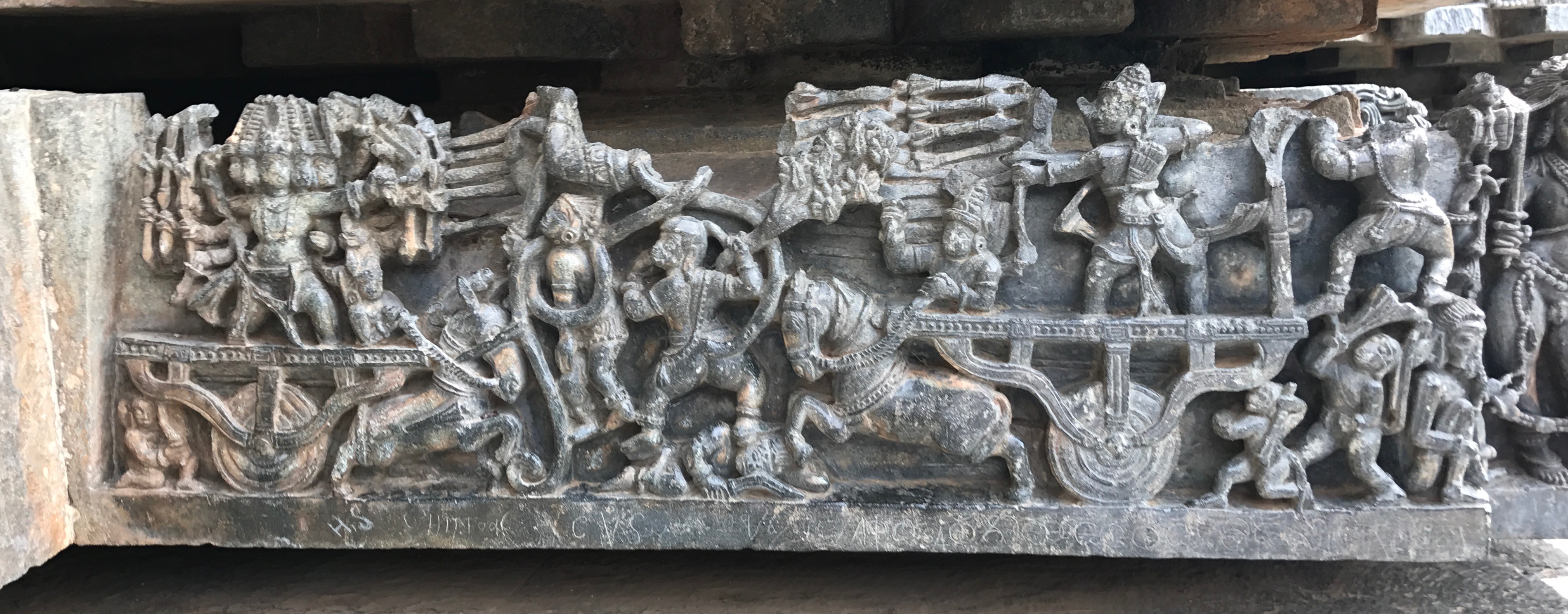
The groundwork for such concise, memorable wisdom was laid by the meter and didactic nature of Vedic hymns and Upanishadic dialogues. These early texts used rhythm and repetition to convey moral and philosophical ideas, making them easier to remember and recite. It's no surprise, then, that the Ramayana, another epic poem, is full of pithy sayings and pronouncements by sages and characters that convey moral and ethical lessons.
These early forms of subhashitas were primarily transmitted orally, with memorization and recitation playing a crucial role in their preservation. Sages and scholars would commit these verses to memory, passing them down to their students and disciples through recitation and discussion. This oral tradition allowed subhashitas to evolve and adapt over time, incorporating new ideas and perspectives while retaining their core wisdom. The fact that these verses have survived for so long is a testament to the power of oral tradition and the human desire for concise, memorable wisdom.
As you read through these ancient texts, you start to notice a pattern - subhashitas often arise from the intersection of storytelling and philosophy, where characters and sages use pithy sayings to convey deeper truths about the human condition. That's what makes them so compelling, and it's what has allowed them to endure for centuries, continuing to inspire and guide people to this day.
The Golden Age of Subhashita Anthologies

The Chanakya Neeti stands out as a seminal work in the Niti Shastra genre, comprising entirely of subhashitas that offer practical advice on statecraft, economics, and social conduct. This text's significance lies in its systematic compilation of subhashitas, demonstrating the recognition of these pithy sayings as a distinct literary form capable of conveying complex ideas and moral lessons. You've likely come across quotes from the Chanakya Neeti that still resonate today, a testament to the enduring power of subhashitas. The rise of the Niti Shastra genre marked a golden age for subhashita anthologies, where poets and scholars began to collect and compile these verses into distinct literary works.
Poets like Kalidasa and Bhavabhuti played a crucial role in this period, as their plays and poems, though dramatic in nature, contained numerous verses that have become standalone subhashitas. These poets' works were not just artistic expressions but also vehicles for conveying moral and philosophical insights, which were then extracted and compiled into anthologies. That's what makes their contributions so valuable, as they helped to popularize subhashitas beyond the realm of formal philosophy. The Subhashitasudha is a notable example of such an anthology, collecting verses from a wide array of sources and showcasing the breadth of subhashita themes.
These compiled subhashitas served as educational tools, teaching ethical behavior, societal norms, and philosophical insights to those who studied them. They were meant to be memorized and recited, allowing people to internalize the wisdom contained within. The significance of these anthologies lies in their ability to preserve and transmit subhashitas across generations, ensuring that the wisdom of the past continued to guide people in the present. As you explore these anthologies, you start to appreciate the complexity of subhashitas, which don't always offer straightforward answers, but instead invite reflection and contemplation, making them a rich and rewarding area of study.
Themes and Philosophical Underpinnings

Subhashitas often reflect a pragmatic approach to life, balancing spiritual ideals with worldly realities, a quality that makes them both enduring and accessible. This balance is evident in their exploration of common themes such as the nature of virtue and vice, the importance of knowledge, and the transience of life. The value of friendship and the consequences of actions, or karma, are also recurring motifs, inviting readers to ponder the intricacies of human relationships and the moral fabric of society. These themes are deeply connected to broader Indian philosophical schools, including Vedanta's emphasis on self-knowledge and the pursuit of liberation, as well as the practical ethics derived from Dharma Shastras.
You've likely noticed that subhashitas frequently use vivid imagery and metaphors to convey complex ideas, a technique that adds to their aesthetic appeal. This refined, often aphoristic, style makes them memorable and engaging, allowing readers to easily recall and reflect on the wisdom they contain. The use of such literary devices also underscores the idea that subhashitas are meant to be savored and contemplated, rather than simply read and forgotten.
As you delve into the world of subhashitas, it becomes clear that they offer a unique window into the philosophical and cultural heritage of India. The fact that these sayings have been passed down through generations, adapting to changing times while retaining their essential wisdom, is a testament to their enduring power and relevance. That's what makes them a rich and rewarding area of study, full of insights into the human condition and the search for meaning and purpose. Subhashitas continue to inspire and guide people today, offering a profound and abiding vision of how to live a good life.
The Timeless Resonance of Concise Wisdom
Subhashitas have come a long way from their roots in Vedic and epic traditions, evolving into sophisticated literary anthologies that distill complex ideas into simple, memorable verses. That's what makes them so enduring. Their ability to capture profound truths in accessible language has allowed them to transcend time and culture. These ancient expressions of wisdom continue to offer guidance and ethical reflection for contemporary life, inviting us to slow down and consider the timeless values they embody. Seek out a collection of subhashitas and reflect on one verse each day to integrate its timeless wisdom into your own life. You'll find that their insights remain surprisingly relevant, offering a profound and abiding vision of how to live a good life.
Sources & References
- Subhashita - Grokipedia
- Subhashitas Sanskrit Maxims - Indica Courses
- Understanding Sanskrit Subhashitas | PDF - Scribd
- Sanskrit Subhashitas: October 2012
- [PDF] The Study of Commonly Used 'Sanskrit Subhashitas' in ...
- Subhashita, Subhāṣita, Su-bhashita: 20 definitions - Wisdom Library
- (PDF) ROLE OF SUBHASHITAS IN CREATING A MODEL SOCIETY
- Subhashita | Wikipedia audio article - YouTube