
Beyond the Pundit's Pronouncements
If you've only encountered Hinduism through a single lens, you're missing a vibrant kaleidoscope of devotional practices, festivals, and philosophical interpretations that bloom across India and the world. In the southern state of Tamil Nadu, for instance, the margin between philosophy and daily life blurs in the rituals of the Murugan temples, where devotees reenact ancient myths with fervor. The deity's six faces symbolize the perfect balance of wisdom and action, a concept that's echoed in the Bhagavad Gita's teachings on karma and dharma. You've probably heard of karma, but the way it's understood in these regional traditions can be surprising, like discovering that the idea of karma isn't about a cosmic reward system, but about the freedom to act without attachment to outcomes. This freedom is what allows devotees to find meaning in their daily rituals and practices. It's a complex interplay of history, culture, and philosophy that has shaped the diversity of Hindu practices.
The Sacred Geography of Dharma

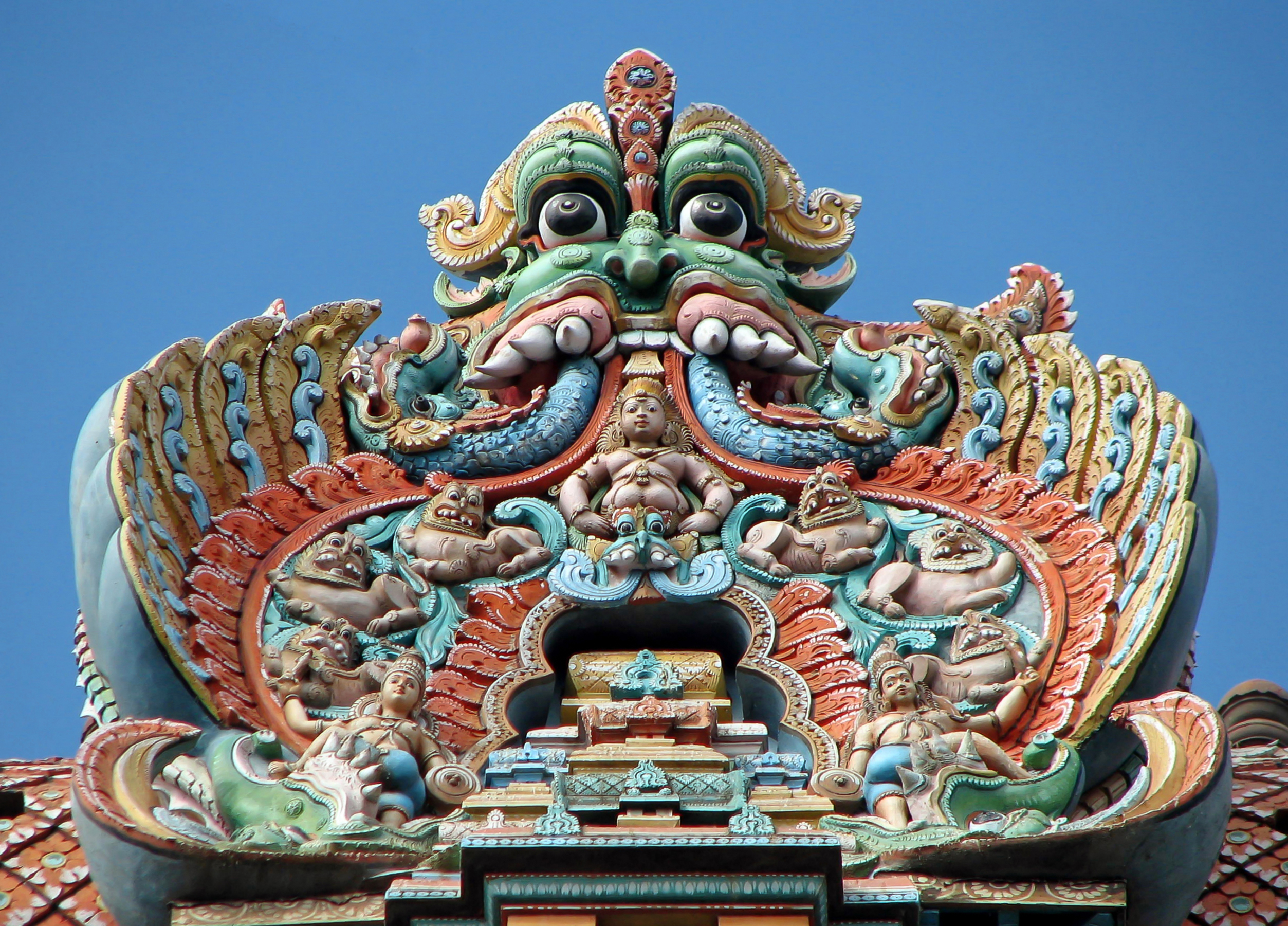
The concept of kshetra, or sacred land, plays a significant role in shaping the diverse traditions of Hinduism, with each region boasting its own unique temple architectures and associated rituals. For instance, the Puri Jagannath temple in Eastern India and the Madurai Meenakshi temple in Southern India are two prominent examples of how local deities and pilgrimage sites have evolved over time. These temples are not just places of worship, but also embody the cultural and historical heritage of their respective regions. You've probably noticed that despite sharing a common philosophical foundation in the Vedas, Upanishads, and Bhagavad Gita, different regions have developed distinct interpretations and applications of these texts.
Local folk traditions and indigenous beliefs have also had a profound impact on the evolution of Hinduism, particularly in the creation of unique regional deities and practices. In South India, for example, the goddess Mariamman is revered as a powerful deity, while in Eastern India, local forms of Devi worship have become an integral part of the spiritual landscape. That's what makes Hinduism so fascinating - it's a dynamic, ever-changing entity that has absorbed and incorporated various influences over the centuries. The paths to liberation also vary significantly across regions, with Jnana Yoga being more prominent in the North, Bhakti Yoga in the West, and Tantra in the East. It's interesting to see how these different spiritual orientations have shaped the regional traditions of Hinduism, giving rise to a rich and diverse tapestry of practices and beliefs. It's this diversity that makes Hinduism so resilient and adaptable, allowing it to thrive in an array of cultural and geographical contexts. The regional traditions of Hinduism are a testament to the creativity and ingenuity of the human spirit, and that's what makes them so compelling to study and explore.
Deities as Local Luminaries: A Comparative Gaze

The cosmic dancer of Chidambaram is a far cry from the austere ascetic of the Himalayas, yet both are revered as Shiva, a deity who embodies the complexities of human experience. It's fascinating to see how the same principal deities are understood and worshipped differently in various regions, reflecting local values and historical narratives. In rural Maharashtra, Shiva is often revered as a household deity, a benevolent presence who watches over the family and protects them from harm.
This diversity in worship is also evident in the varied manifestations of Devi, who can be the fierce Kali in Bengal, the nurturing Durga in North India, or the graceful Meenakshi in the South. These forms reflect regional cultural archetypes, with Kali embodying the fierce independence of the Bengali people, Durga representing the nurturing spirit of North Indian culture, and Meenakshi symbolizing the elegance and refinement of South Indian tradition. You've probably noticed that these regional variations are not just limited to the deities themselves, but also to the stories and myths surrounding them.
The Puranic narratives are localized, with regional epics and folklore often elaborating on or reinterpreting the lives and deeds of deities to resonate with local audiences. This is particularly evident in the worship of Vishnu, which varies significantly across regions. In South India, the elaborate Vaishnava traditions of Sri Vaishnavism hold sway, while in Braj and Assam, Krishna-centric cults are prominent, reflecting the unique cultural and historical contexts of these regions. That's what makes the study of regional traditions so compelling, as it reveals the complex and multifaceted nature of Hinduism. It's a reminder that Hinduism is not a monolithic entity, but a dynamic and evolving tradition that continues to inspire and guide people in diverse ways.
Festivals and Rituals: The Heartbeat of Regional Devotion

The vibrant expressions of regional identity and spiritual continuity in Hinduism are perhaps most vividly displayed through its diverse festivals and daily rituals. Deepavali, or Diwali, is a prime example, with its celebration varying significantly across regions. In North India, it's a grand affair, focusing on the triumph of Lord Rama over Ravana, while in South India, the emphasis shifts to the worship of Goddess Kali or the victory of Lord Krishna over Narakasura. This contrast highlights the dynamic nature of Hindu festivals, which adapt and evolve according to local cultures and traditions.
Regional celebrations like Onam in Kerala, Pongal in Tamil Nadu, or Bihu in Assam are distinct and rooted in their agricultural and cultural heritage. Onam, for instance, is a harvest festival that commemorates the homecoming of King Mahabali, with elaborate feasts, decorations, and dance performances. Pongal, on the other hand, is a thanksgiving ceremony to the sun god, Surya, and the harvest season, marked by the boiling of rice and milk in earthen pots. These unique festivals not only reflect the local ethos but also serve as a means of community bonding and spiritual rejuvenation.
Specific rituals and temple festivals, such as the Rath Yatra in Puri or the Thrissur Pooram in Kerala, embody the essence of regional traditions and community participation. The Rath Yatra, where the deities are taken out in grand processions, is a spectacle that showcases the cultural and spiritual heritage of Odisha. Similarly, the Thrissur Pooram is a vibrant display of music, dance, and fireworks, which brings the entire community together in a celebration of faith and culture. Regional languages, music, and dance forms play a significant role in shaping the devotional experience, with bhajans and kirtans being an integral part of these festivals, transmitting traditions and stories across generations. It's through these festivals and rituals that the rich cultural diversity of Hinduism is preserved and passed on, a testament to the enduring power of faith and community.
References - Folk Culture and Oral Tradition: A Comparative Study of Regions in ...

Folk culture and oral tradition are the backbone of Hinduism's regional diversity, with each area having its unique set of stories, songs, and rituals. You've probably noticed that the same mythological tale can have different versions in different parts of the country, reflecting local customs and beliefs. It's this diversity that makes Hinduism so rich and fascinating, don't you think? The way a story is told in one region can be vastly different from how it's told in another, with local languages and music playing a big role in shaping the narrative. Regional languages, like Tamil and Bengali, have their own distinct folk traditions, which are often passed down through generations by word of mouth. That's how regional festivals and rituals get their unique flavor, with local artists and musicians contributing to the devotional experience. It's through these folk traditions that Hinduism's cultural heritage is preserved, with each region adding its own chapter to the larger story of the faith. This comparative study of regional traditions highlights the importance of oral tradition in shaping the Hindu experience, and that's what makes it so interesting. In the end, it's the people and their stories that bring Hinduism to life, and that's what makes this faith so enduring.
The Unified Symphony of Diverse Melodies
Hinduism's regional traditions are a kaleidoscope of colors, each one reflecting a unique aspect of the faith. The rich diversity of these traditions is not a fragmentation of faith but a dynamic adaptability that allows Hinduism to thrive in different cultural contexts. Each regional expression, from its deities to its festivals, offers a unique pathway to understanding the universal truths of Dharma. You've likely noticed that these pathways often converge, revealing a deeper understanding of the faith. Embracing this diversity allows for a more profound and expansive appreciation of the Hindu spiritual heritage. It's time to explore beyond your familiar traditions, so seek out and respectfully learn about a Hindu tradition from a region different from your own this month. This journey of discovery will undoubtedly deepen your understanding of Hinduism and its many facets, and that's a journey worth taking.
Sources & References
- Folk Culture and Oral Tradition: A Comparative Study of Regions in ...
- Folk culture and oral tradition : a comparative study of regions in ...
- Folk culture and oral tradition : a comparative study of regions in ...
- Non-Western and Comparative Studies
- REGIONAL COMPARISONS, REPLICATIONS, AND - Ovid
- On the Comparative Analysis of the Eurasian Region Cultures
- Bridging Cultures and Traditions in the Reconceptualisation of ... - jstor
- A comparative study on culture-specific and cross-cultural aspects of ...