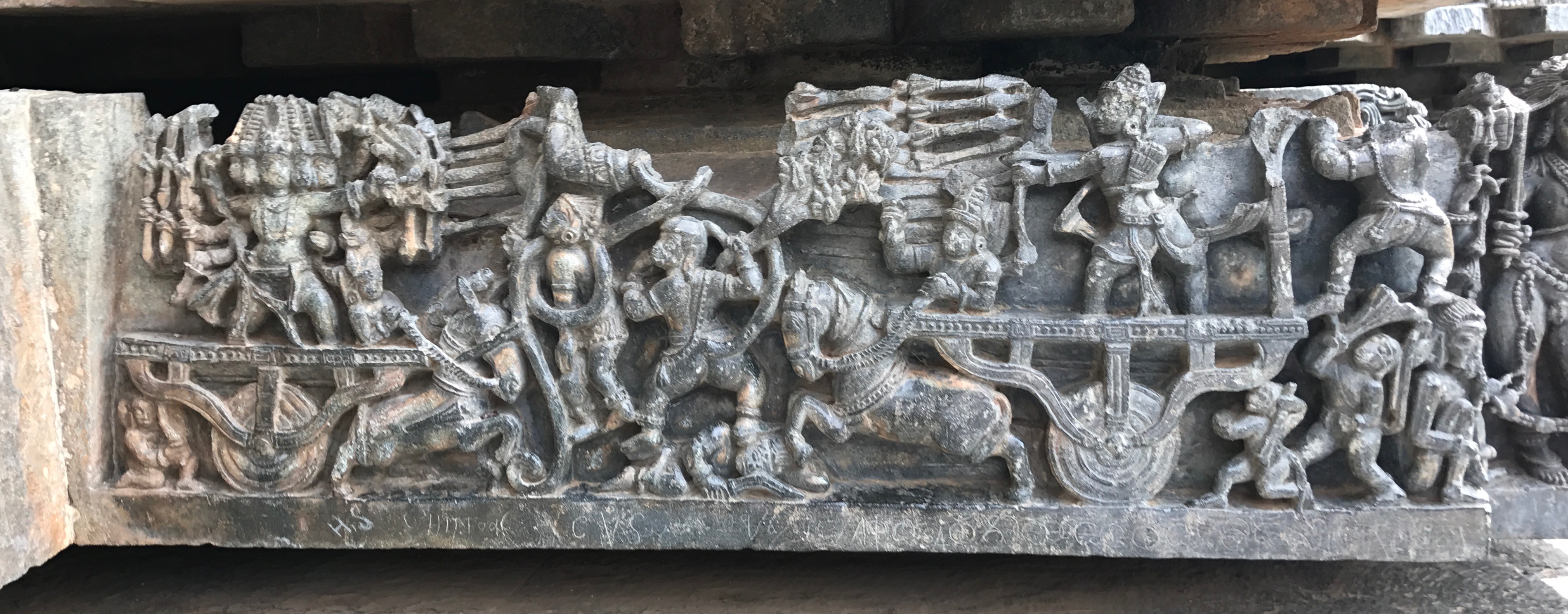
The Modern Leader's Dilemma — Overwhelmed and Unmoored
In today's hyper-competitive world, leaders often feel caught between demanding performance metrics and the gnawing emptiness of a life lacking deeper purpose. You're likely no exception, juggling the pressure to deliver results with a nagging sense that there must be more to life than just meeting targets. The Bhagavad Gita's teachings on karma yoga offer a surprising alternative to this dilemma, one that's rooted in a profound shift in how you approach work and responsibility. By letting go of attachment to specific outcomes, you can find a sense of freedom and purpose that's not tied to external validation. This is not about abandoning your goals, but about cultivating a mindset that allows you to stay focused and calm under pressure. The Gita's wisdom is not just a philosophical nicety, it's a practical guide to navigating the complexities of modern professional life.
Detached Action (Nishkama Karma) — Leading Without Attachment to Outcomes

A project manager who's meticulously planned and executed a project, but still accepts that external factors may influence the final success, is a great example of nishkama karma in action. This concept, drawn from Bhagavad Gita Chapter 2, is about performing one's duty with full effort, but relinquishing the desire for specific outcomes. It's a radical idea that can transform the way you lead, by shifting your focus from uncontrollable results to controllable actions and intentions. You've got a lot to gain from this mindset, including a significant reduction in burnout and anxiety.
When you're no longer attached to specific outcomes, you don't get as worked up about things that are outside of your control. This doesn't mean you don't care about the results, it's just that you don't let them dictate your sense of self-worth or peace of mind. A leader who's adopted this approach can maintain their calm and composure, even in the face of uncertainty or adversity. That's a pretty rare thing, and it's something that can inspire a lot of trust and confidence in their team.
In contrast, outcome-obsessed leadership can be a real recipe for disaster. When you're so focused on achieving a specific result that you're willing to do whatever it takes to get there, you can end up making some serious ethical compromises. And even if you do manage to achieve your goal, the stress and pressure of constantly striving for it can take a heavy toll on your mental and physical health. It's a constant state of stress, and it's not a sustainable way to lead. Nishkama karma offers a different path, one that's based on a deep sense of purpose and duty, rather than a desperate desire for external validation. That's what makes it such a powerful and enduring concept.
The Equanimous Leader — Navigating Success and Failure with Grace

Krishna's teaching that a steadfast mind, unaffected by pleasure or pain, success or failure, is the mark of wisdom, is a powerful lesson for leaders. This concept of samatvam, or equanimity, is introduced in Chapter 2 of the Bhagavad Gita, where Krishna emphasizes the importance of remaining stable and objective amidst fluctuating circumstances. It's a quality that allows leaders to navigate the ups and downs of their role with grace and poise. You've probably seen leaders who can't handle failure, they get defensive, or even worse, they give up.
A leader who practices samatvam can reframe setbacks as learning opportunities rather than personal defeats, which fosters a resilient team culture. When leaders view failure as a chance to learn and grow, they create an environment where their team feels safe to take risks and experiment with new ideas. This mindset shift can be practiced through simple techniques like mindful breathing exercises before critical meetings, or journaling reflections on emotional responses to workplace events. It's amazing how something as simple as taking a few deep breaths can calm your nerves and clear your mind.
By developing equanimity, leaders can inspire trust and confidence in their team, creating a more stable and productive environment. An equanimous leader is better equipped to make rational decisions, even in the face of chaos or uncertainty. That's what makes them so effective at building strong teams and driving results. It's not about being impervious to emotions, but about learning to manage them in a way that serves the greater good. A leader who can remain calm and composed under pressure is a leader who can build a loyal and dedicated team, and that's a pretty powerful thing.
Duty and Dharma — Leading with Purpose and Integrity

Arjuna's initial reluctance to fight his kin on the battlefield is a powerful case study in the concept of svadharma, or one's own inherent duty. His struggle to reconcile his personal feelings with his duty as a kshatriya, a warrior, highlights the importance of understanding and fulfilling one's svadharma. When we align with our svadharma, we experience a sense of fulfillment and purpose. It's not always easy, as Arjuna's story shows, but it's essential for leaders to identify and act in accordance with their core values and the ethical principles that guide their organization.
A leader who is clear about their dharma can make tough decisions with confidence, even when they're difficult. They can prioritize long-term sustainability over short-term gains, or address underperformance with fairness, because they're guided by a sense of what is right. This clarity on dharma is what helps leaders build a legacy of integrity that transcends personal ambition. It's not about achieving some kind of perfection, but about being true to the principles that guide their actions.
Embodying dharma is not just a personal thing, it has a positive impact on stakeholders too. When leaders act with integrity, they foster trust and loyalty in their teams, and create a culture that values doing what is right. It's a pretty simple concept, but one that's often overlooked in the pursuit of success. By focusing on dharma, leaders can create a lasting legacy that goes beyond their own achievements. That's what makes dharma such a powerful foundation for principled leadership and organizational integrity.
Self-Mastery for Effective Influence — The Inner Battlefield

Krishna's description of the senses and mind as powerful, often unruly forces in Chapter 6 of the Bhagavad Gita is a sobering reminder that leadership can be derailed by internal struggles. The mind is likened to a restless monkey, jumping from thought to thought, and the senses are compared to wild horses that can't be tamed. It's a stark warning that leaders must cultivate self-mastery to effectively influence others. You've got to know yourself before you can lead others, and that's where practices like self-reflection, meditation, and disciplined inquiry into one's motivations come in.
These practices help leaders gain mastery over their impulses and biases, making them more self-aware and better communicators. Self-aware leaders are more empathetic, and less prone to making decisions driven by ego or emotion. They're able to listen more effectively, and respond in a way that's thoughtful and considered. That's because they've taken the time to understand their own strengths and weaknesses, and are aware of their blind spots.
To cultivate self-mastery, leaders can start by setting aside time for introspection, whether that's through meditation, journaling, or simply taking a quiet walk. They can also actively seek feedback on their blind spots, asking trusted colleagues or mentors to provide honest feedback. It's not always easy to hear, but it's a crucial step in developing self-awareness. By doing so, leaders can develop the inner strength and resilience needed to navigate the challenges of leadership, and create a positive, lasting impact on their teams. That's what makes self-mastery such a critical component of effective leadership, and it's a lesson that leaders would do well to take to heart.
The Gita's Enduring Blueprint for Conscious Leadership
Authentic leadership is not about control, but about skillful action performed with detachment and a commitment to one's duty, or dharma. This approach allows leaders to stay focused on their goals without getting bogged down by personal biases or emotional reactions. Cultivating equanimity, or samatvam, and self-mastery are essential for navigating challenges and inspiring trust in their teams. By applying the principles of nishkama karma, leaders can find profound meaning and effectiveness in their professional lives. Reflect on one specific leadership challenge you are facing, and consider which Gita principle—detached action, equanimity, or purpose—can offer a fresh perspective for your next step. You've got the tools to lead with greater purpose and clarity, now it's time to put them into practice.
Sources & References
- Leadership Lessons from Bhagavad Gita1
- Bhagavad Gita Leadership Lessons: Timeless Wisdom from Krishna ...
- Lessons from the Bhagavad Gita for Modern Life & Leadership
- Uncovering the leadership lessons of the Bhagavad Gita
- Leadership Lessons from the Bhagavad Gita - The Bhakti Center
- 6 Leadership Qualities or Lessons that I Learned from Bhagwat Gita
- Leadership Lessons from the Bhagavad Gita - Bloomsbury
- 3 Leadership Lessons from Bhagavad Gita | Aastha Tatia - YouTube