The Modern Search for Meaning in a World of Chaos
You're juggling deadlines, family, and the constant hum of notifications, feeling adrift in a sea of choices, yet somehow always missing the mark of what truly matters. It's like being stuck in a never-ending cycle of meetings and emails, with your to-do list growing longer by the minute. That's when the question hits you: what's the point of it all? The ancient concept of Dharma offers a way out of this chaos, providing a framework for understanding your place in the world and your role in it. Dharma is often misunderstood as just a set of rules or duties, but it's more than that - it's a way of living that considers both your personal duty and the universal cosmic order. By embracing this concept, you can start to make sense of your life and find a sense of direction that's been missing. It's a journey that requires you to look inward and outward at the same time, and it's not always easy.
Unpacking Dharma: Beyond 'Religion' and 'Duty'

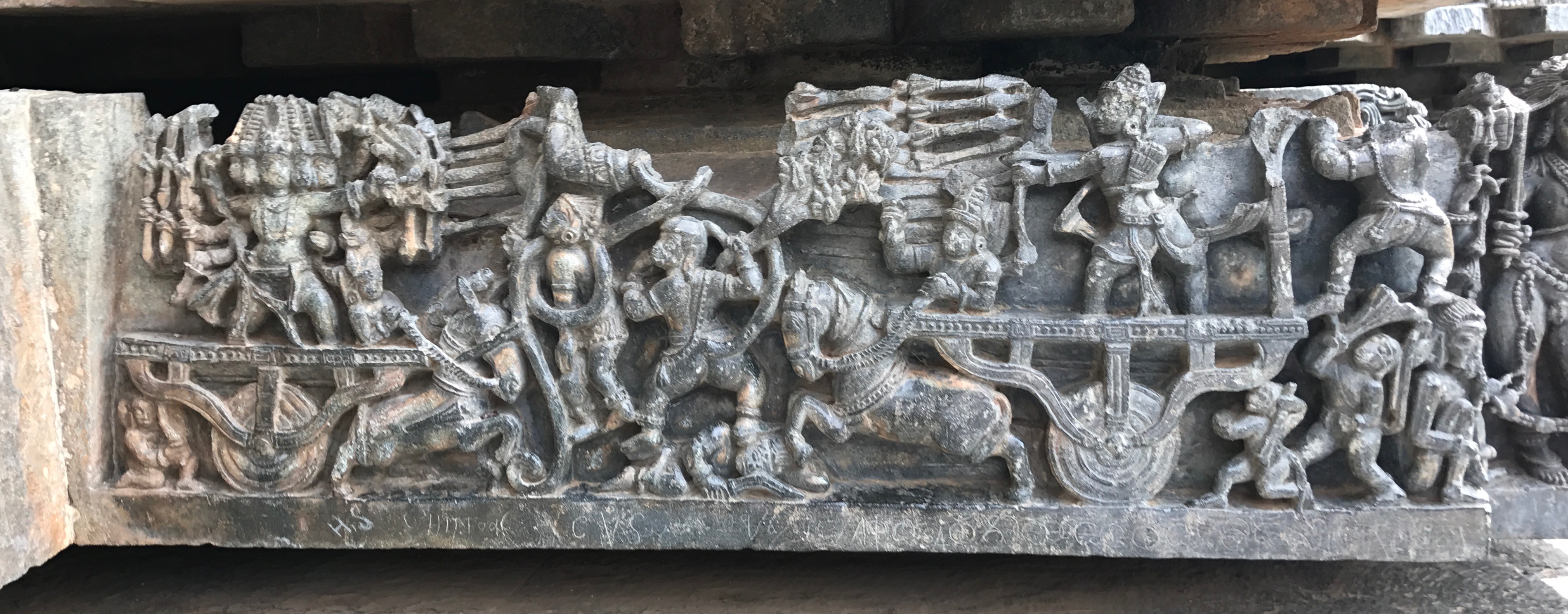
Arjuna's dilemma in the Mahabharata is a powerful example of the complex interplay between personal duty and universal principles. He's torn between his duty as a warrior and his love for his family, highlighting the challenges of navigating one's Svadharma, or individual duty. This concept is often misunderstood as a simplistic notion of "doing one's duty," but it's deeply personal and contextual. Svadharma is rooted in the broader concept of Dharma, which is not a religion, but a cosmic principle of order and righteousness that encompasses the inherent nature of all things.
Dharma is multifaceted, and understanding its different aspects is crucial. Sanatana Dharma refers to the eternal, universal principles that govern the cosmos, while Svadharma is about an individual's unique role and responsibilities within that larger framework. Krishna's guidance to Arjuna is a classic illustration of how Svadharma can be discovered and fulfilled. By examining Arjuna's struggles, we see that identifying one's Svadharma requires a deep level of self-awareness and understanding of one's unique predispositions and responsibilities.
The distinction between Sanatana Dharma and Svadharma is not just theoretical - it has real-world implications for how we live our lives. When we understand that our individual duty is part of a larger cosmic order, we can start to make sense of our place in the world. It's not just about following rules or traditions, but about living in harmony with the natural order of things. This understanding can bring a sense of clarity and purpose to our lives, helping us navigate life's challenges with greater ease and confidence. It's a journey that requires patience, reflection, and a willingness to look within.
Dharma in Action: Navigating Professional Life with Integrity

The concept of Karma Yoga, as presented in the Bhagavad Gita, offers a profound approach to professional life, emphasizing selfless action performed without attachment to results. It's a mindset that can transform our work experience, allowing us to find purpose and fulfillment in our daily tasks. By letting go of our ego's need for recognition and outcome, we can focus on the process, not just the end result. This shift in perspective can lead to a sense of freedom and joy in our work.
Practicing Ahimsa, or non-violence, is also essential in professional interactions, and it's not just about avoiding physical harm. It's about being mindful of our communication, avoiding gossip, and treating others with kindness and respect. When we adopt this approach, we create a more harmonious work environment, where collaboration and mutual support thrive. It's not always easy, but it's a crucial aspect of living a dharmic life.
The importance of Satya, or truthfulness, and Asteya, or non-stealing, cannot be overstated in business dealings. These principles are the foundation of trust and long-term reputation. When we're truthful and transparent in our interactions, we build strong relationships with our colleagues and clients. And when we respect the intellectual property and resources of others, we avoid the karma of exploitation. By embracing these principles, we can create a career that's not only successful but also sustainable and fulfilling.
Embracing one's Svadharma, or unique life purpose, is also critical in finding job satisfaction and reducing the feeling of being a cog in a machine. When we're doing work that aligns with our values and passions, we're more engaged, motivated, and productive. It's a sense of alignment that can bring a deep sense of purpose and meaning to our professional lives, and it's what sets us apart from just going through the motions. It's a journey of self-discovery, and it requires patience, reflection, and a willingness to listen to our inner voice, and that's what makes it so rewarding.
The Personal Dharma: Cultivating Inner Harmony and Relationships

When we think of dharma in relationships, it's not just about personal growth, but about fulfilling our roles with commitment and love, whether as a partner, parent, child, or friend. This means showing up fully, being present, and putting in the effort to nurture those bonds. It's about recognizing that our relationships are a key part of our dharma, and that by cultivating them, we're also cultivating our own sense of purpose and meaning. You've likely experienced this in your own life, where a strong connection with a loved one has given you a sense of direction and motivation.
The concepts of dana and seva are also essential in this context, as they represent the qualities of generosity and service that can strengthen social bonds and bring people together. By practicing dana, or generosity, we're not just giving to others, but also cultivating a sense of abundance and openness within ourselves. And through seva, or service, we're able to connect with others on a deeper level, and find a sense of purpose and fulfillment. That's what makes these practices so powerful in building strong, lasting relationships.
The idea of brahmacharya is often misunderstood as simply celibacy, but it's more broadly about moderation and the right use of energy. This concept can be applied to managing our personal resources and commitments, and recognizing when we're overextending ourselves. By being more mindful of our energy and priorities, we can create space for what's truly important, and cultivate a sense of inner harmony and balance. For example, prioritizing family dharma, even amidst career pressures, can lead to greater long-term happiness, as it allows us to nurture our relationships and create a sense of stability and connection. It's a choice that requires patience and commitment, but one that can ultimately bring a sense of peace and fulfillment to our lives.
Dharma as a Framework for Resilience

Embracing Dharma means accepting life's dualities as an inherent part of the cosmic play, a dance between pleasure and pain, success and failure. This acceptance is key to building resilience, as it allows us to approach life's challenges with a sense of detachment and equanimity. You've likely experienced this dichotomy in your own life, where a single event can bring both joy and sorrow, or where success in one area is accompanied by failure in another.
Dharmic practices like Tapas, or austerity, help build inner strength and fortitude, enabling us to navigate life's ups and downs with greater ease. Tapas is not about self-denial, but about cultivating self-discipline and inner resilience. It's a practice that requires patience and dedication, but one that can ultimately lead to a deeper sense of purpose and direction.
Understanding Dharma provides a moral compass that guides our choices, even when external circumstances are difficult or unclear. This compass is not a rigid set of rules, but a flexible framework that allows us to adapt and evolve as we navigate life's challenges. Living dharmically is an ongoing journey of learning and adaptation, rather than a static destination. It's a path that requires us to be open to new experiences and perspectives, and to be willing to learn from our mistakes.
As we walk this path, we begin to see that Dharma is not just a set of principles, but a living, breathing practice that informs every aspect of our lives. It's a practice that requires us to be mindful, compassionate, and courageous, and to approach life's challenges with a sense of curiosity and wonder. And it's through this practice that we can cultivate the resilience and inner strength needed to navigate life's complexities with greater ease and peace.
References - Dharma and the Meaning of Life: Lessons from the Bhagavad Gita | Positive Medicine

The Bhagavad Gita offers a unique perspective on dharma, one that's both deeply personal and universally relatable. It's a text that explores the complexities of human existence, and the ways in which we can cultivate a sense of purpose and meaning in our lives. You've likely encountered interpretations of the Gita that focus on its more philosophical aspects, but it's also a deeply practical guide to living a life of dharma. The concept of dharma is often associated with duty or righteousness, but it's more nuanced than that - it's about living in alignment with your values and principles, and finding a sense of fulfillment and joy in the process. It's through this practice that we can develop a greater sense of inner strength and resilience, allowing us to navigate life's challenges with more ease and peace. Dharma is not just a set of principles, it's a way of being in the world, one that requires us to be mindful, compassionate, and courageous. You don't have to be a scholar or a spiritual seeker to benefit from the lessons of the Bhagavad Gita - its wisdom is accessible to anyone who's willing to approach life with a sense of curiosity and wonder. The lessons of the Gita are timeless, and they continue to inspire and guide people from all walks of life. That's what makes it such a powerful and enduring text - it's a reminder that we all have the capacity to live a life of purpose and meaning, and that it's never too late to start cultivating a deeper sense of dharma in our own lives. It's a journey that requires patience, dedication, and courage, but one that's well worth taking.
Your Life's Blueprint for Meaningful Living
Dharma is the inherent order of the universe and your unique place within it, offering a profound guide for living. By understanding and practicing both universal principles and personal duties, you can navigate modern life with integrity and purpose. This approach transforms everyday actions into meaningful contributions, fostering inner peace and strong relationships. You've likely experienced moments where your actions felt deeply aligned with your values, and that's what dharma is all about. Reflect on one aspect of your life where you can consciously align your actions with your sense of personal dharma this week. As you do, you may find that even small adjustments can have a significant impact on your sense of purpose and fulfillment, and that's a powerful place to start.
Sources & References
- Dharma and the Meaning of Life: Lessons from the Bhagavad Gita | Positive Medicine
- Lessons from Buddhism - Urban Dharma
- Lessons From the Buddha's Life | Sunday Sound of Dhamma
- Life and Dharma - YouTube
- The Law of Dharma—Full Lesson - YouTube
- The Dharma: The Teachings of the Buddha | The Pluralism Project
- Top 5 Life Lessons Learned from Thich Nhat Hanh - Alan Peto
- What are some of the most important life lessons that Hindus learn?