The Epic That Still Speaks to Our Stress
In a world of instant news and constant digital noise, how can an ancient Sanskrit epic written thousands of years ago possibly offer solutions to the problems you face today? The Ramayana's core conflicts - loyalty, duty, and the struggle between personal desire and moral obligation - are timeless, echoing the same dilemmas modern professionals navigate in their daily lives. You've seen it in your own workplace: a colleague prioritizes personal gain over team goals, or a manager must choose between fairness and expediency. Rama's own predicaments, as he weighs his duty to his kingdom against his love for Sita, offer a powerful lens through which to examine our own decision-making. The characters of the Ramayana are not just figures from a bygone era, but living, breathing archetypes that can help us better understand ourselves and the world around us. Their stories can guide us in developing the resilience and integrity we need to thrive in our own lives.
Rama's Dharma — Navigating Duty in a World of Compromise

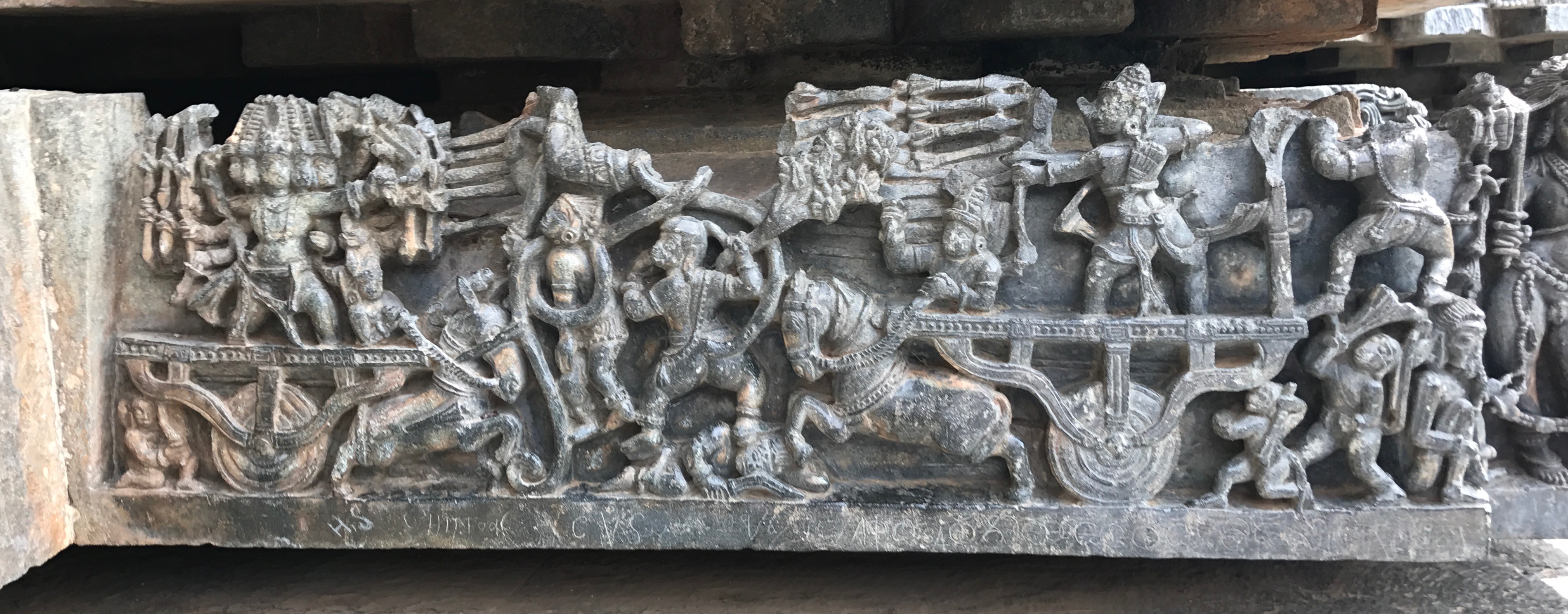
Ravana's downfall serves as a stark reminder of what happens when ego and unethical shortcuts are prioritized over dharma. His flawed reasoning and disregard for righteous duty ultimately led to his demise, a cautionary tale that still resonates today. This ancient story has a surprising amount of relevance to modern leadership dilemmas, where the pressure to succeed can often lead to compromised ethics. Rama's decision to accept exile, even when it meant personal suffering, is a prime example of prioritizing duty over personal comfort. He chose to uphold his dharma, even when it was difficult, demonstrating a level of integrity that's still admirable today.
Rama's trials also illustrate the concept of 'Apaddharma', or righteous conduct in distress. This idea suggests that even in the most challenging situations, one's commitment to dharma should remain unwavering. It's a powerful framework for ethical decision-making, one that can be applied to both personal and professional life. By examining Rama's actions, we can see how to maintain integrity under pressure, a valuable lesson for anyone facing difficult choices. You've probably seen situations where people compromise their values for convenience or gain, but Rama's story shows that steadfast dharma is still the best approach.
In contrast to Rama's principled actions, many contemporary examples show the consequences of ethical compromises. It's not uncommon to see people prioritizing their own interests over the greater good, often with disastrous results. That's what makes Rama's commitment to dharma so remarkable - it's a reminder that doing the right thing, even when it's hard, is still the best choice. Rama's story has a lot to teach us about navigating duty in a world of compromise, and it's a lesson that's just as relevant today as it was centuries ago. We can learn a lot from his example, and it's worth considering how we can apply his principles to our own lives.
Sita's Strength — Resilience and Agency in the Face of Adversity

Sita's unwavering commitment to her own moral code, even in the face of immense adversity, is a powerful reminder that true strength lies not in physical circumstance, but in inner fortitude. Her captivity in Lanka, where she's subjected to constant pressure to compromise her values, is a testament to her unshakeable dignity and chastity. It's surprising how often Sita's story is reduced to one of passive victimhood, when in fact she's a complex, multidimensional character who embodies resilience and agency. She refuses to compromise her principles, even when faced with doubt and immense pressure, and that's a model for maintaining self-respect in difficult relationships or negotiations. The agni pariksha, or trial by fire, is often seen as a proof of her guilt or innocence, but it's more nuanced than that - it's a complex portrayal of societal expectations versus personal truth, and it offers some interesting parallels to public scrutiny in the digital age. You've probably noticed how quickly public opinion can turn against someone, and how difficult it can be to reclaim one's narrative in the face of overwhelming criticism. Sita's eventual assertion of her truth, and her voluntary departure from a situation that's no longer serving her, is a powerful example of self-determination, and it's a reminder that we all have the power to reclaim our own stories. It's a lesson that's just as relevant today as it was centuries ago, and it's one that can help us navigate the challenges of modern life with greater confidence and self-awareness. Sita's story is not just a relic of the past, but a living, breathing guide for anyone looking to cultivate inner strength and resilience in the face of adversity.
Hanuman's Devotion and Action — The Bridge Between Vision and Reality

Hanuman's leap across the ocean is a powerful metaphor for overcoming seemingly insurmountable obstacles through faith and preparation. It's a reminder that even the most daunting challenges can be surmounted with the right mindset and skills. This lesson is particularly relevant in modern project management and innovation, where teams often face complex problems that require creative solutions. You've likely encountered situations where it seems like there's no way forward, but Hanuman's story shows that with unwavering devotion and careful planning, you can find a way to bridge the gap.
Hanuman's humility and selfless service are also key aspects of his character that make him an ideal team member or leader. Despite his immense power, he remains humble and focused on the mission, putting the needs of others before his own. This is a valuable lesson for anyone looking to build a strong team or lead a successful project. It's not about personal glory or recognition, but about working together to achieve a common goal. That's what makes Hanuman's story so compelling, and it's a quality that's essential for success in any field.
Hanuman's ability to adapt his form and strategy is another important aspect of his character that's relevant to modern problem-solving. He's able to think on his feet and come up with creative solutions to complex problems, often by changing his approach or perspective. This kind of flexibility and resourcefulness is essential in today's fast-paced and rapidly changing world. It's what allows us to stay ahead of the curve and achieve our goals, even when the obstacles seem insurmountable. Hanuman's successful mission to accomplish Rama's objective is a testament to the power of execution and follow-through, a lesson that's just as relevant today as it was centuries ago.
Your Own Epic Journey Awaits
The Ramayana's enduring power lies in its ability to transcend time, offering insights that remain strikingly relevant to our modern lives. Its characters' struggles and triumphs serve as a mirror, reflecting our own contemporary challenges and inviting us to reexamine our values. By embracing the principles of dharma, resilience, and devoted action, we can transform our daily lives into epic journeys of purpose. You've seen how the characters of the Ramayana navigated complex situations with courage and integrity, now it's your turn to apply those lessons. Identify one character's virtue from the Ramayana that resonates with a current challenge you face, and consciously apply that principle this week. That's where the true transformation begins, and you'll find that the Ramayana's wisdom is not just a relic of the past, but a living guide that can shape your present and future.
Sources & References
- 8. Relevance of Ramayana to modern life - Sri Sathya Sai Speaks
- Is the Ramayana Relevant Today? - Back to Godhead
- (PDF) Relevance of Ramayana in our Daily Lives in the Context of ...
- Ramayana - Wikipedia
- The Ramayana
- The Significance of the Ramayana in Modern Hinduism - Reddit
- Why Rama is STILL Relevant Today (A Conversation on Ramayana)
- Epics over time: Reinterpreting Ramayana in a modern context