
The Many Paths to the Divine in India
If you've encountered Hinduism through a single lens, prepare to be amazed: India is not one Hindu tradition, but a thousand, each with its own vibrant colors and sacred songs. In the southern state of Tamil Nadu, the air is thick with the scent of jasmine and the sound of devotional hymns to Lord Murugan, while in the northern city of Varanasi, the Ganges River flows with the whispers of ancient Vedic chants. It's in these diverse landscapes that Hinduism's regional traditions take shape, influenced by local geography, language, and deities that have been woven into the fabric of daily life. You've likely heard of the great epics, but what about the folk tales and village myths that fill the spaces between? The stories of local heroes and goddesses who embody the complexities of human nature, and the rituals that bring communities together in celebration and devotion. As you delve into the heart of these regional traditions, you'll find that they're not isolated islands, but interconnected threads that weave a complex and beautiful fabric. Understanding these traditions can enrich your own spiritual journey, and that's what makes exploring them so compelling.
The North Indian Plains: From Vedic Roots to Bhakti Blooms
The Bhakti movement's impact on North India was nothing short of transformative, as it took the seeds of Vedic philosophy and nurtured them into a vibrant, accessible form of spiritual expression that resonated with people from all walks of life. Figures like Kabir and Mira Bai played a crucial role in this movement, using vernacular poetry to convey the intensity of personal devotion, making it possible for everyone to experience the divine in their own language. This democratization of spiritual expression had a profound effect on the region, as people began to see that they didn't need to be scholars of Sanskrit to connect with the divine. The prevalence of Sanskrit in early Vedic rituals and philosophical schools in regions like Uttar Pradesh and Bihar had laid the groundwork for this shift, with the influence of the Ganga river shaping the spiritual landscape of these areas.
The Ganga's presence is still felt in the many rituals and festivals that take place along its banks, where the sacred and the mundane blend together in a beautiful dance. The significance of prominent Northern deities such as Rama and Krishna cannot be overstated, as their epics continue to inspire and guide people to this day. The Ramlila and Janmashtami festivals, which celebrate the lives and stories of these deities, are testaments to the enduring power of myth and legend in shaping community and spiritual practice. Local shrines and pilgrimage sites, such as Kashi and Vrindavan, serve as focal points for this practice, drawing people from all over the region to experience the divine in a tangible, embodied way.
As you explore the spiritual landscape of North India, it's clear that the Vedic heritage and the Bhakti movement are intertwined, each informing and enriching the other in complex ways. The rise of the Bhakti movement didn't supplant the earlier Vedic traditions, but rather built upon them, creating a rich and multifaceted spiritual culture that continues to evolve to this day. This dynamic interplay between tradition and innovation has given North India its unique spiritual flavor, one that's both deeply rooted in the past and open to the possibilities of the present. The result is a spiritual landscape that's as diverse as it is vibrant, full of possibilities for growth and exploration.
South India's Dravidian Devotion: Temple Arts and Agamic Prowess

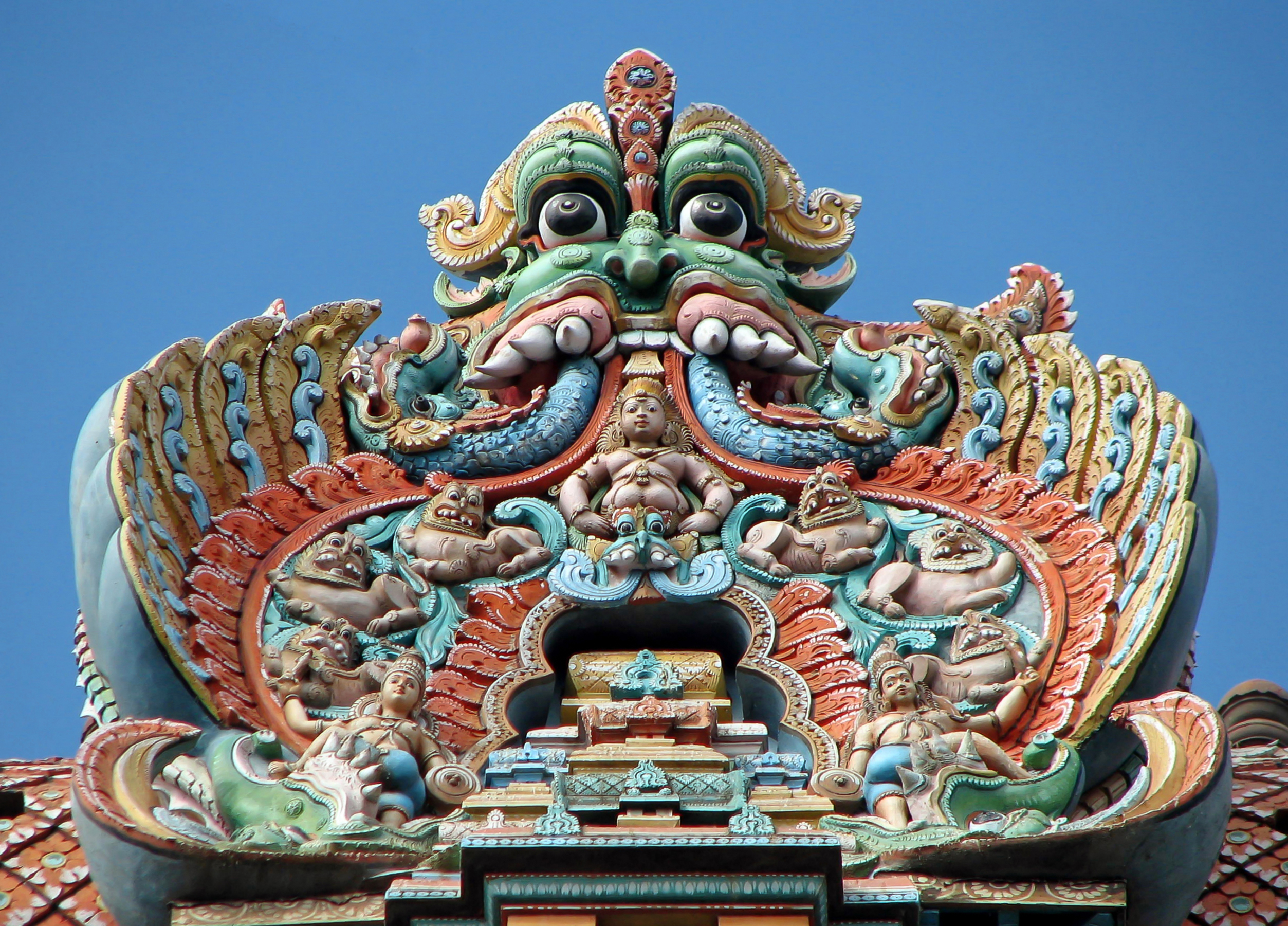
The Alvars and Nayanars, those revered Bhakti saints of South India, left an indelible mark on the region's devotional landscape with their soul-stirring hymns, the Divya Prabandham and Tevaram, which continue to inspire devotion in Tamil-speaking communities to this day. These poetic compositions, infused with intense personal longing and love for the divine, have become an integral part of South India's spiritual heritage, shaping the way people worship and connect with their deities. The antiquity of South Indian traditions is profound, with roots tracing back to pre-Vedic deities that were later integrated into the broader Hindu pantheon, a testament to the region's capacity to absorb and synthesize diverse influences. You've likely heard of the Agamas, those sacred texts that provide a systematic framework for worship, temple architecture, and deity iconography in South India, but what's striking is how they've managed to balance ritual precision with emotional devotion. The Agamas have played a crucial role in shaping the region's unique temple traditions, where every aspect of worship, from the design of the temple complex to the daily rituals performed by the priests, is governed by a set of strict guidelines that ensure the continuity of ancient practices. South India's devotional practices are a vibrant tapestry of music, dance, and art, with major deities like Vishnu and Shiva being worshipped in various forms, such as Venkateswara and Nataraja, each with their own unique festivals and rituals that bring the community together. The temple festivals, in particular, are an integral part of regional life, featuring elaborate processions, music, and dance performances that showcase the region's rich cultural heritage. It's this unique blend of the Agamas' ritual precision and the Bhakti saints' emotional devotion that has given South India its distinctive spiritual flavor, one that's both deeply rooted in tradition and open to innovation, allowing the region's devotional practices to continue evolving to this day.
Eastern India's Mystical Heart: Tantra, Shakti, and Folk Spirituality

The Bauls of Eastern India are known for their mystical songs, which they believe hold the power to awaken the divine within. These wandering musicians and poets have developed a unique path to enlightenment, one that blends elements of Tantra, Vaishnavism, and Sufism. Theirs is a path that's deeply rooted in the body and the emotions, rather than in scripture or dogma. You've likely heard of the Bauls' emphasis on the importance of the guru, but what's less well-known is how they use music and dance to access higher states of consciousness.
In Eastern India, Tantra is not just a philosophical system, but a lived practice that permeates every aspect of life. The region's unique approach to spiritual realization emphasizes the importance of the body and energy systems, and it's this approach that has given rise to the vibrant folk traditions of Bengal and Assam. It's here that you'll find the worship of Shakti in all her fierce and beautiful forms, from Kali to Durga. Durga Puja, for example, is a major cultural and spiritual event that draws millions of devotees each year.
The folk deities of Eastern India are often overlooked in favor of more well-known Sanskritic deities, but they play a vital role in the region's spiritual landscape. These local traditions have a way of blending with Hinduism, creating a rich syncretic culture that's full of surprises. That's what makes Eastern India's mystical heart so fascinating - it's a place where the boundaries between different spiritual traditions are constantly blurring and shifting. It's a place where the divine is not just something you worship, but something you experience, and that's what makes it so compelling.
Western India's Resilient Spirit: Merchant Traditions and Guru Devotion

Western India's spiritual landscape is defined by the vibrant traditions of its merchant communities, who've played a significant role in shaping religious patronage and the development of elaborate temples. In Gujarat and Rajasthan, trading communities have sponsored the construction of stunning temples and charitable institutions, reflecting their wealth and piety. This patronage has created a unique cultural heritage, with temples like the Akshardham in Gandhinagar showcasing the region's architectural and artistic prowess.
Devotional poetry and music are integral to Western India's spiritual expression, with forms like Gujarati Garba and Rajasthani folk songs often centering on Krishna and local deities. These musical traditions have a way of bringing people together, fostering a sense of community and shared devotion. The strong tradition of guru devotion, exemplified by lineages like the Pushtimarg, also shapes community life and spiritual practice in Western India.
Guru-disciple relationships are deeply revered, with gurus serving as spiritual guides and mentors. This emphasis on guru devotion has contributed to the region's rich cultural and spiritual heritage. Regional festivals and interpretations of deities and myths are also unique to Western India, with the worship of Ganesh in Maharashtra being a notable example. The influence of Eastern Indian traditions, such as the Rath Yatra, can also be seen in Western India, highlighting the dynamic exchange of ideas and practices across regions. The diversity of Western India's spiritual traditions is a testament to its resilience and creativity, and it's this diversity that makes the region's spiritual landscape so compelling.
References - Regional Traditions: Key Ideas, Core Questions, and Related Topics - EnGAIAI

The exchange of ideas and practices across regions has led to a rich spiritual landscape in Western India, with Maharashtra being a prime example of this dynamic exchange. You've likely noticed that regional traditions often raise more questions than they answer, and that's what makes them so compelling. Key ideas like the influence of Eastern Indian traditions, such as the Rath Yatra, can be seen in Western India, highlighting the resilience and creativity of the region's spiritual traditions. Core questions about the nature of spiritual practice and the role of regional traditions in shaping our understanding of the world are still being explored. Related topics, such as the tension between tradition and innovation, are also worth considering. Regional traditions are complex and multifaceted, and they don't fit neatly into categories. That's what makes them so interesting. The diversity of spiritual traditions in Western India is a key part of its appeal, and it's something that continues to inspire and challenge people to this day.
A Universe Within Each Tradition
Hinduism's regional diversity is a sign of its adaptability and profound depth, not fragmentation. Each regional tradition offers a unique lens through which to understand the universal truths of dharma and the divine. Embracing this diversity can lead to a more profound and nuanced appreciation of one's own spiritual path. You've got a chance to broaden your spiritual horizon, seek out and respectfully learn about a regional tradition different from your own this month. That's a great way to deepen your understanding of the divine, and it's something you can start doing right now.
Sources & References
- Regional Traditions: Key Ideas, Core Questions, and Related Topics - EnGAIAI
- Cultural Regions of the US: Traditions by Region and State | Remitly
- Core Concepts of the Four Traditions of Geography - ThoughtCo
- 24 Different Cultural Traditions Around the World - Tomedes
- 60+ Cultural Traditions Around the World (Part 1)
- What are some unique cultural traditions in your area? - Reddit
- 5 cultural traditions and the history behind them - Wanderlust
- Regional culture: Significance and symbolism