
A Journey into Devotion to Vishnu
Have you ever wondered about the Hindu tradition that reveres a divine preserver and protector, seen in forms like Rama and Krishna, where the stories of these deities are not just ancient myths, but living, breathing guides for everyday life. You've probably heard of the epic Ramayana, where Rama's unwavering dedication to his duty is a testament to his unshakeable character. This tradition, known as Vaishnavism, centers on the worship of Vishnu, the supreme being who takes on various forms, or avatars, to restore balance and order in the world. Vishnu's avatars, like Rama and Krishna, are revered for their extraordinary qualities, and the stories of their lives are studied and retold in countless ways, inspiring devotion and guiding spiritual practice. Devotion, or bhakti, is at the heart of Vaishnavism, and it's what sets this tradition apart, offering a path to spiritual liberation that's accessible to anyone, regardless of their background or circumstances. The concept of Vishnu as the ultimate reality is complex, and it's fascinating to explore how his avatars embody different aspects of his divine nature.
The Heart of Vaishnavism — The Supremacy of Vishnu

Vishnu's role as the preserver and protector of the universe is a fascinating aspect of Hindu cosmology, and it's what sets him apart as the supreme God in Vaishnavism. This tradition is one of the major branches of Hinduism, and its adherents believe that Vishnu is the ultimate reality. The concept of Narayana is often used to signify the cosmic being from whom all existence emanates, and it's a foundational name for Vishnu. You've likely heard of Narayana as a synonym for Vishnu, but it's more than that - it's a name that captures the essence of his divine nature.
As the preserver of the universe, Vishnu is responsible for maintaining the delicate balance of the cosmos. He's often depicted as a benevolent deity who protects his devotees and upholds the principles of dharma. That's what makes Vaishnavism so appealing to many people - it offers a sense of security and comfort in a chaotic world. Vaikuntha, Vishnu's transcendental abode, is the ultimate spiritual destination for devotees, a place where they can experience eternal bliss and liberation. It's a concept that's deeply rooted in Vaishnavite theology, and it's what drives many devotees to strive for spiritual growth and self-realization. Don't think that Vaikuntha is just a mythological concept - it's a powerful symbol of the ultimate goal of human existence. Vishnu's supremacy is not just a theological concept, but a living, breathing reality that inspires devotion and spiritual practice in millions of people around the world.
The Divine Manifestations — Understanding Vishnu's Avatars

The concept of avatars is central to Vaishnavism, and it's fascinating to see how the divine manifests in the material realm. The Sanskrit term "avatar" literally means "descent," signifying the divine coming down to the world of humans. This idea is not just a theological concept, but a living reality that inspires devotion and spiritual practice. The Dashavatara, or the ten principal avatars, are a key part of Vaishnava theology, and among them, Rama and Krishna are the most popular and influential.
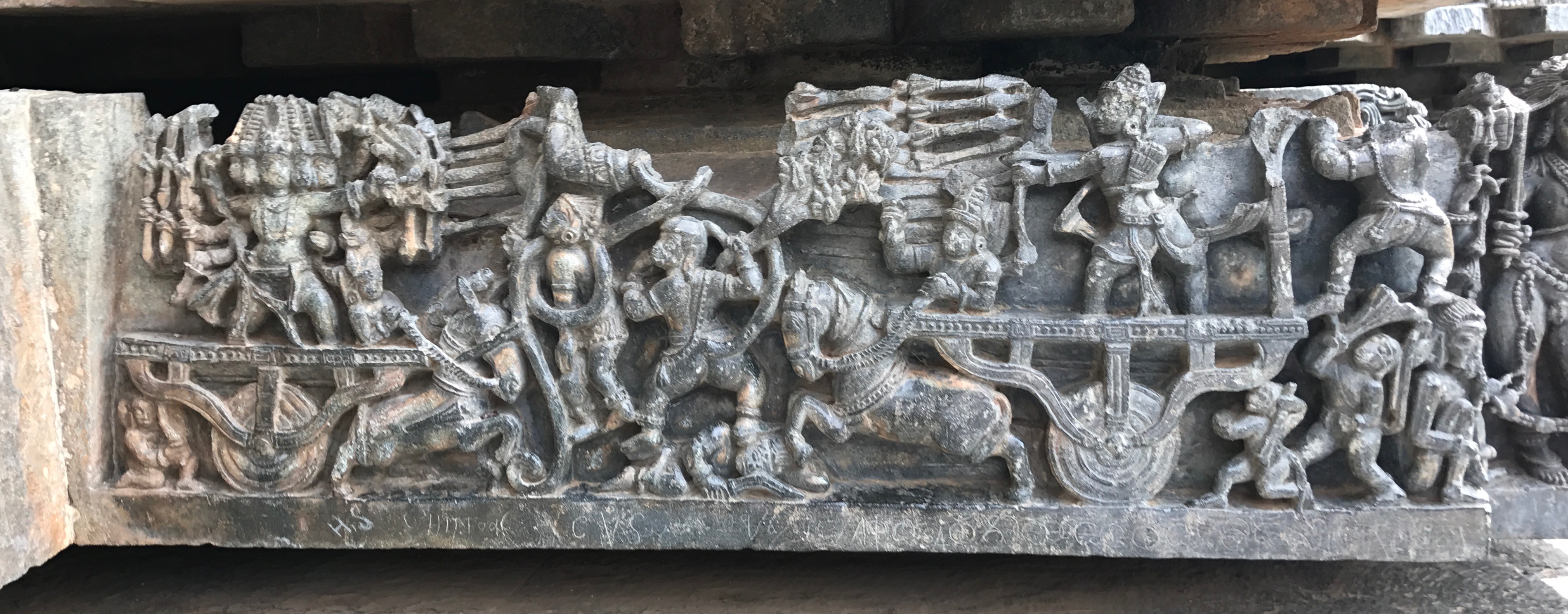
Rama's story, as told in the Ramayana, is an exemplar of dharma, or righteousness, and duty. His unwavering commitment to his principles, even in the face of adversity, is a powerful inspiration to millions of people. Rama's story is not just a mythological tale, but a guide for living a life of integrity and purpose. It's a reminder that dharma is not just a set of rules, but a way of being that permeates every aspect of life.
Krishna's teachings, as recorded in the Bhagavad Gita, are a cornerstone of Vaishnava philosophy. His conversations with Arjuna on the battlefield of Kurukshetra are a masterclass in spiritual wisdom, emphasizing the importance of karma yoga, jnana yoga, and bhakti yoga. These three paths to spiritual growth are not mutually exclusive, but interconnected, and Krishna's teachings show how they can be integrated into daily life. You've probably heard of the Bhagavad Gita, but it's one thing to know about it, and another to actually live its teachings.
The significance of Rama and Krishna's stories lies in their ability to inspire devotion and spiritual practice in people from all walks of life. That's what makes Vaishnavism so compelling - it's not just a set of abstract concepts, but a living, breathing tradition that offers a path to spiritual growth and self-realization. It's a tradition that recognizes the complexity of human nature, and offers a way to navigate the challenges of life with courage, wisdom, and compassion. Vaishnavism's emphasis on the divine manifestations of Vishnu is a powerful reminder that the spiritual is not just a distant ideal, but a living reality that can be experienced in everyday life.
The Path of Devotion — Bhakti as the Supreme Practice

Chanting Vishnu's names, or japa, is a powerful practice in Vaishnavism, one that can bring about a profound sense of connection to the divine. It's not just a ritual, but a way to cultivate selfless love and surrender, which is at the heart of bhakti, or devotion. Bhakti is what distinguishes Vaishnavism from other spiritual traditions, as it's a path that emphasizes the importance of personal relationship and emotional connection with the divine. You've likely heard of bhakti yoga, which is a direct path to God-realization, accessible to all regardless of caste or creed.
Bhakti yoga is a holistic practice that encompasses various forms of devotion, including singing devotional songs, or kirtan and bhajan. These practices help to purify the heart and mind, allowing one to experience a deeper sense of love and connection to Vishnu. It's a feeling that can't be forced, but rather it arises naturally when one surrenders their ego and desires to the divine. Seva, or service to the Lord and His devotees, is another important aspect of bhakti, as it allows one to express their devotion in a tangible way.
Vaishnavism's emphasis on bhakti as the supreme practice is what makes it so unique and appealing to many. It's a path that recognizes the complexity of human nature, and offers a way to navigate the challenges of life with courage, wisdom, and compassion. By cultivating selfless love and surrender, one can experience a profound sense of inner peace and liberation. That's what makes bhakti so powerful, it's a practice that can be applied to everyday life, allowing one to experience the divine in all aspects of their being.
Diversity Within Vaishnavism — Different Schools and Philosophies

The Hare Krishna movement, also known as ISKCON, is a modern manifestation of Vaishnavism that has spread globally, introducing millions to the teachings of Vishnu and the practice of bhakti. It's a testament to the enduring power of Vaishnavism that it can adapt to new contexts while retaining its core message. Within Vaishnavism, there are several prominent philosophical schools, including Vishishtadvaita, or qualified non-dualism, which was developed by Ramanujacharya, and Dvaita, or dualism, which was developed by Madhvacharya. Gaudiya Vaishnavism is another significant tradition that emphasizes the personal relationship between the devotee and Krishna.
These schools differ in their interpretations of the relationship between the soul, God, and the material world. For instance, Vishishtadvaita posits that the soul and God are ultimately one, but with distinct qualities, while Dvaita asserts a more fundamental separation between the two. Despite these philosophical differences, the core emphasis on devotion to Vishnu remains consistent across these traditions. You've got different approaches to understanding the divine, but the focus on loving surrender to Vishnu is a common thread.
That's what makes Vaishnavism so rich and diverse, it's not a monolithic tradition, but a complex and multifaceted one. The global spread of Vaishnavism, particularly through the Hare Krishna movement, has introduced new generations to the teachings of Vishnu and the practice of bhakti. It's a practice that can be applied to everyday life, allowing one to experience the divine in all aspects of their being, and that's what's so compelling about Vaishnavism, it's a living tradition that continues to evolve and inspire people around the world. Vaishnavism's ability to adapt and thrive in different contexts is a sign of its enduring vitality.
Frequently Asked Questions
Vaishnavism is not the only tradition in Hinduism, it's one of the major traditions alongside Shaivism, Shaktism, and Smarta tradition. These traditions coexist and sometimes overlap, with each having its own set of beliefs and practices. You've got multiple paths to choose from, and that's what makes Hinduism so diverse.
The main difference between Vishnu and Krishna is that Krishna is considered one of the most important avatars of Vishnu. In some traditions, Krishna is worshipped as the Supreme Being himself, with Vishnu being his expansion, which can get a bit complex. That's because the relationship between Vishnu and Krishna is not always clear-cut, and different traditions interpret it in their own way.
You don't have to be born into a Hindu family to practice Vaishnavism, that's not how it works. Vaishnavism, particularly through the concept of bhakti, is generally considered inclusive and open to anyone who develops sincere devotion to Vishnu. It's all about cultivating love and devotion, and that's something anyone can do, regardless of their background or birth.
Living a Life of Divine Connection
Vaishnavism offers a profound spiritual path centered on the loving worship of Lord Vishnu and his divine avatars. It's a tradition that emphasizes the practice of bhakti, or devotion, as the key to experiencing spiritual fulfillment and achieving liberation. This tradition provides a framework for understanding dharma, divine grace, and the ultimate purpose of life. You've likely heard of the stories of Rama and Krishna, and it's worth considering how the principle of devotion can enrich your own daily life. Explore the stories of Rama and Krishna, and consider how the principle of devotion can enrich your own daily life. That's where the true power of Vaishnavism lies, in its ability to transform your life from the inside out.
Sources & References
- Vaishnavism - Wikipedia
- Blog - World Vaisnava Association
- What does it mean to be a Vaishnava? Edit: let me rephrase. What ...
- Vaishnavism Explained: History, Principles & Devotional Practices
- What is the main belief of Vaishnavism? - Quora
- Sri Vaishnavism: A Tradition of Devotion, Guru-Parampara, and the Lega – JayArts.com
- Shaivism and Vaishnavism - Practices in Hinduism - GCSE Religious Studies Revision - AQA - BBC Bitesize
- Vaishnavism - YouTube