
The Many Paths to the Divine Within One Tradition
If you've ever wondered why the Goddess is worshipped differently in Bengal than in Tamil Nadu, or why festivals light up North India with such distinct fervor, you've glimpsed the vibrant diversity of regional Hindu traditions. The sound of conch shells and smell of incense in a Bengali Durga Puja are a far cry from the colorful kolams and rhythmic drumbeats of a Tamil Nadu Navaratri celebration. This diversity isn't just a matter of local flavor, it's a reflection of how core Hindu philosophies are lived and breathed in different parts of the country. Geography plays a significant role, with the Ganges River in North India and the temples of South India each contributing to unique spiritual landscapes. You can't separate the Hinduism of a place from the place itself, that's what makes these traditions so rich. The way people worship, the deities they honor, and the stories they tell are all intertwined with the land and history of their region.
The Unifying Threads: Core Philosophical Underpinnings

The concept of Moksha, or liberation, is what ultimately unites all Hindu traditions, regardless of their regional differences. It's the goal that every practitioner strives for, and regional traditions offer different pathways to achieve it, emphasizing specific deities or yogas. You've got the Advaita school, which focuses on the unity of the individual self with Brahman, the ultimate reality. Then there's Vishishtadvaita and Dvaita, which also acknowledge Brahman as the supreme reality, but differ in their understanding of the relationship between the individual self and Brahman. This shared understanding of Brahman provides a common ontological ground across various schools of thought.
The cyclical nature of time, with its Kalpas and Yugas, is another fundamental concept that informs all Hindu practices. It's a reminder that time is not linear, but rather a cycle of birth, growth, decay, and renewal. This understanding of time is closely tied to the principles of Karma and Dharma, which dictate an individual's actions and responsibilities in this life and the next. These principles are universal, and you can see them at work in every region, shaping the way people live their lives and worship their deities.
The worship of the Trimurti - Brahma, Vishnu, and Shiva - and the Divine Mother, Shakti, serves as a pan-Indian framework, with regional manifestations focusing on specific forms or aspects. You can see this in the way different regions have their own unique stories and rituals surrounding these deities. It's a testament to the diversity and richness of Hindu traditions, and yet, it's all grounded in a shared understanding of the ultimate reality. That's what makes Hinduism so fascinating - it's a complex, multifaceted tradition that's full of contradictions and paradoxes, and yet, it's all held together by a deep sense of unity and shared purpose. The search for Moksha is what drives it all, and that's what gives Hinduism its enduring power and appeal.
Manifestations of the Divine: Deities, Festivals, and Rituals Across India

The worship of Lord Jagannath in Odisha is a fascinating example of regional tradition, with its unique iconography and festivals like the Rath Yatra, where massive chariots are pulled through the streets of Puri. This is in stark contrast to the worship of Lord Venkateswara in Tirupati, where the Brahmotsavam festival is a grand affair with intricate processions and rituals. You've got two different forms of Vishnu, each with its own distinct character and local legends.
In other parts of India, Goddess worship takes center stage, with the fierce Durga Puja in Bengal being a far cry from the devotional Navaratri celebrations in Gujarat, which focus on Lakshmi and Saraswati. The tantric traditions associated with Kali worship add another layer of complexity to the mix. It's interesting to note that these diverse expressions of Goddess worship are all rooted in a deep reverence for the feminine principle.
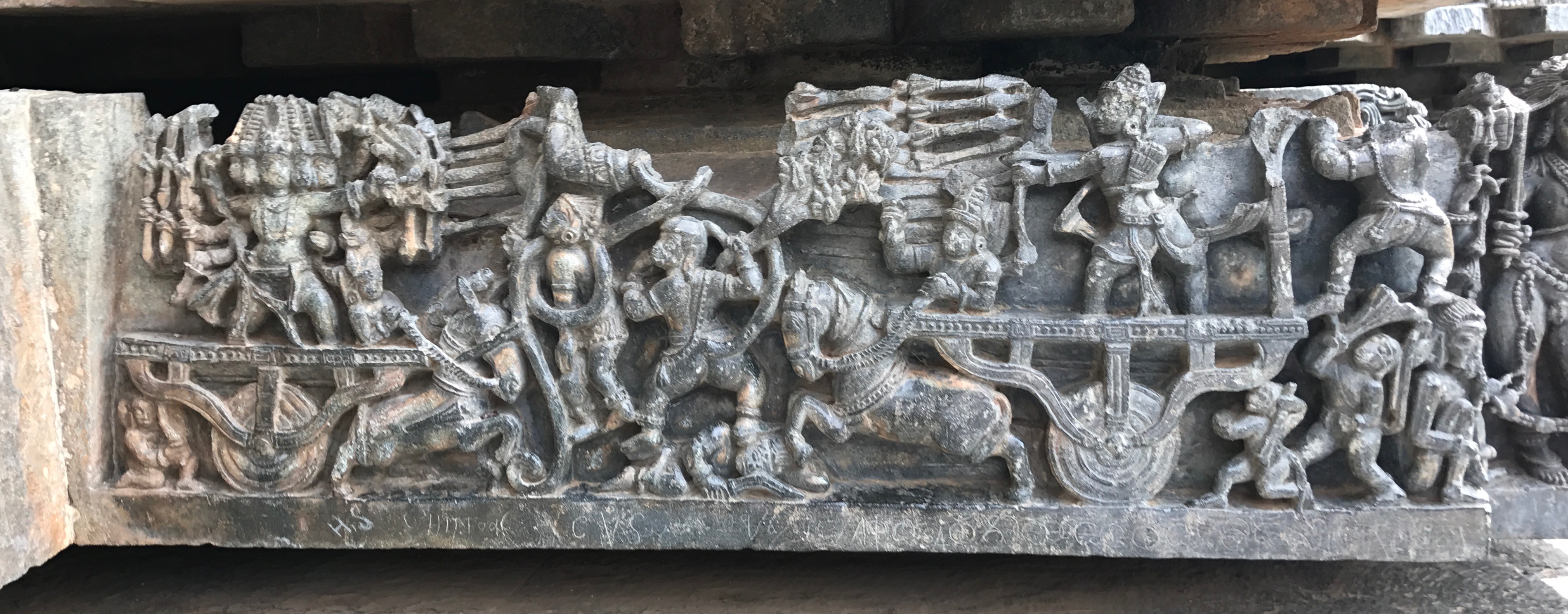
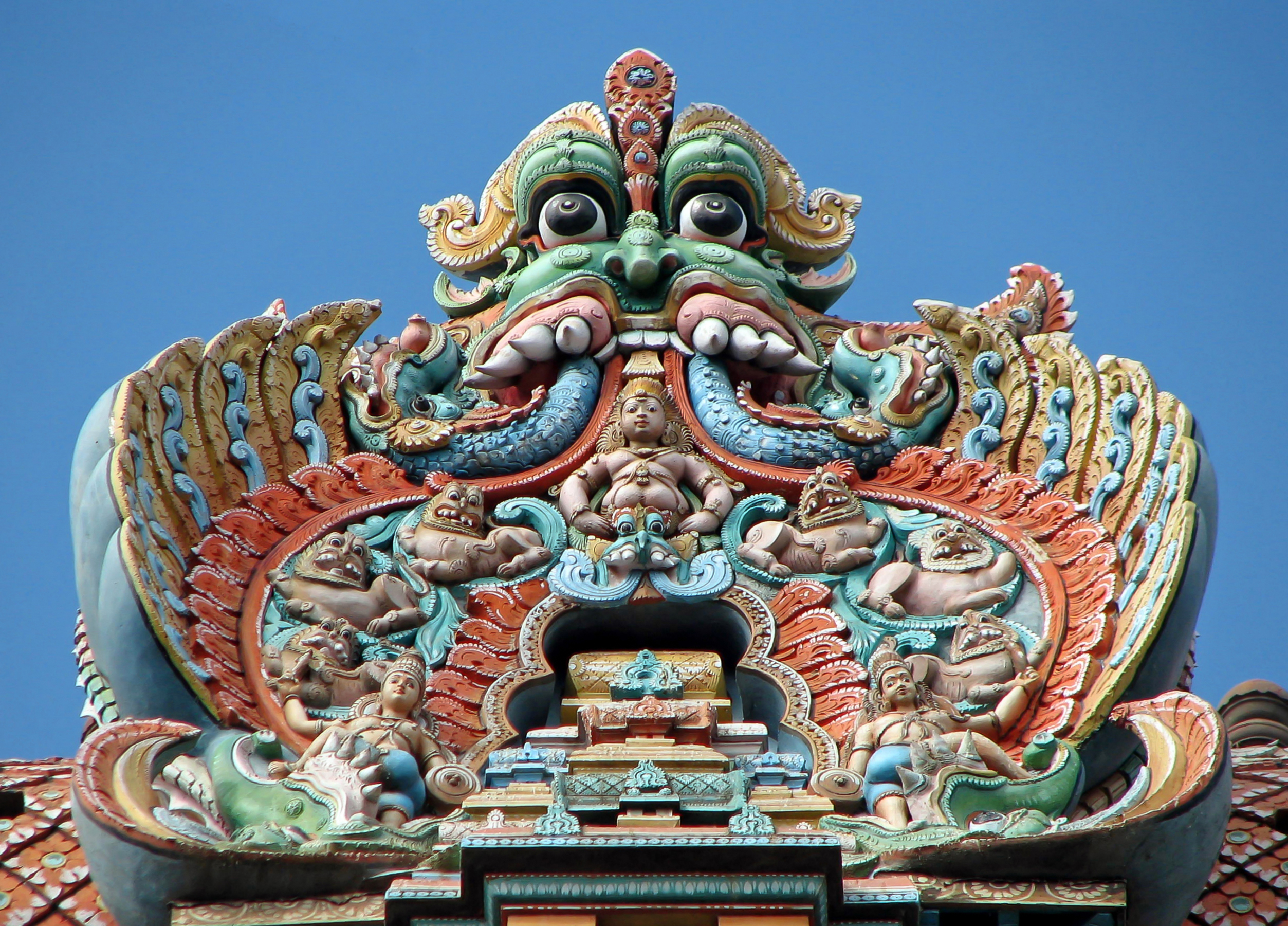
Temple architecture is another area where regional traditions shine, with the Padmanabhaswamy Temple in Kerala being a prime example of Dravidian style, and the Dilwara Temples in Rajasthan showcasing a unique blend of Jain and Hindu influences. Local materials and historical influences have shaped these distinct styles, resulting in a rich tapestry of architectural expression. That's what makes each temple a unique reflection of its regional context.
Folk traditions also play a significant role in expressing core philosophies in culturally specific ways, as seen in the devotional songs of the Alvars and Nayanars in South India, or the Bhakti poetry of North Indian saints like Kabir and Mirabai. These regional variations in folk traditions are a testament to the diversity and richness of Hinduism, and they continue to inspire and guide people to this day. The search for Moksha is still the underlying drive, but it's the regional traditions that give it a unique flavor and character, making Hinduism a complex and multifaceted faith that's full of surprises.
The Influence of Geography and History on Spiritual Practices

The rugged landscape of the Himalayas has given rise to a distinct set of spiritual practices that emphasize asceticism and meditation, with deities like Shiva and local mountain spirits playing a central role. This is in stark contrast to the coastal regions, where sea deities or aquatic manifestations of Vishnu are more prominent, reflecting the unique cultural and environmental contexts of these areas. You've likely noticed that the farther north you go, the more Shiva's presence is felt, while the southern coast is dotted with temples dedicated to Vishnu's various avatars.
Historical events have also left an indelible mark on regional traditions, with invasions and migrations leading to the emergence of syncretic practices that blend different faiths and philosophies. Kashmir, for example, has a rich tradition of Buddhist, Hindu, and Islamic influences, while the Bhakti movements in North India show a distinct Sufi flavor, highlighting the complex and often fraught history of the region. That's what makes these traditions so fascinating - they're not static or monolithic, but rather dynamic and adaptive.
The natural environment has also played a significant role in shaping regional traditions, with the availability of specific resources like sacred rivers, flora, and fauna being incorporated into local rituals and mythology. The Ganga, for instance, is revered as a symbol of spiritual purification, and its waters are considered essential for various rituals and ceremonies. Don't think that this is just a matter of cultural nostalgia - the physical landscape has a profound impact on the way people live and practice their faith.
Different ruling dynasties have also had a profound impact on the development and spread of specific temple traditions and religious festivals, with the Chola Empire in the South and the Rajput kingdoms in the North being notable examples. These dynasties patronized specific deities and traditions, which in turn influenced the art, architecture, and literature of the region, creating a unique cultural and spiritual identity that persists to this day. It's a complex and multifaceted history that continues to shape the practice of Hinduism in different parts of the country.
A Richer Understanding Through Diversity
Hindu traditions are a mosaic, with each regional practice offering a unique facet of a shared spiritual truth. This diversity is a testament to the adaptability of Hindu philosophy, which has evolved over time to accommodate the needs and influences of different regions. Understanding these variations deepens our appreciation for the resilience of Hindu thought, and allows us to see the complex and multifaceted nature of the tradition. You've likely encountered some of these regional practices already, but there's always more to learn. Seek out and respectfully learn about a regional Hindu tradition different from your own this month, perhaps through local temple events or scholarly articles. That's a great way to start, and it can lead to a more complete and nuanced connection to the vast spiritual heritage of India.
Sources & References
- REGIONAL COMPARISONS, REPLICATIONS, AND - Ovid
- Regional Comparison in Historical Anthropology (Chapter 5) - Comparing Cultures
- Regional Comparisons (Part II) - Comparing Cultures
- Non-Western and Comparative Studies - Brandeis University
- (PDF) A comparative analysis of six national cultures under the ...
- Concepts for the Study of Regional Culture - jstor
- A comparative study on culture-specific and cross-cultural aspects of ...
- Cultural Comparison - an overview | ScienceDirect Topics