
Beyond Destiny and Duty – Unraveling the True Meaning of Dharma
If you believe dharma is just about "what's meant to be" or "your religious duty," you're only scratching the surface of one of Hinduism's most profound and misunderstood concepts. This narrow view is limiting, it doesn't capture the complexity of dharma. Dharma is often reduced to fate or destiny, but that's not the whole story. You've likely heard someone say "it's my dharma" to mean they're fulfilling a predetermined role, but that oversimplifies it. The concept of dharma is dynamic, it encompasses one's intrinsic nature and righteous living, which is not fixed. It's a principle that guides your actions, not just a set of rules to follow. Understanding dharma as a lived principle can change how you approach life, and that's what makes it so powerful.
Dharma as Swadharma – The Myth of Fixed Destiny

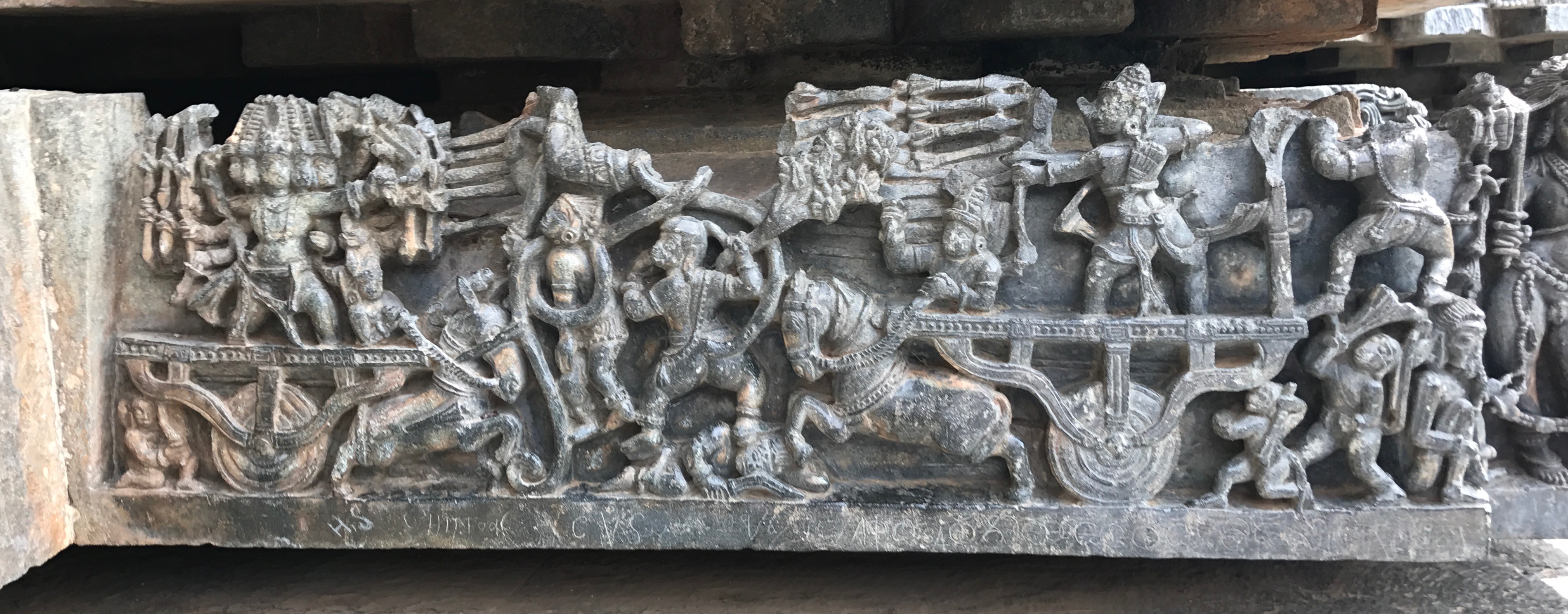
Arjuna's dilemma on the battlefield is a powerful example of how dharma is not just a predetermined fate, but an active choice. As a warrior, his swadharma, or personal dharma, was to fight, but he was torn between his duty and his personal feelings. This internal conflict highlights that swadharma is not a fixed, unchangeable fate, but a dynamic principle that guides one's actions based on their nature and circumstances. It's a concept that emphasizes personal responsibility and moral choice, rather than a passive acceptance of destiny.
The Bhagavad Gita outlines swadharma as a personal, evolving duty that is aligned with one's inherent tendencies and circumstances. It's not a set of rules to follow, but a principle that guides your actions, taking into account your unique situation and nature. This means that while one's inherent tendencies are given, the actions taken in accordance with them are a matter of choice and responsibility. You've got the power to choose how you act, and that's what makes swadharma so important.
If dharma were purely destiny, it would negate the importance of moral choice and the concept of karma. That's a problem, because karma is all about the idea that your actions have consequences, and that you've got the power to shape your own life through your choices. Swadharma, on the other hand, acknowledges that you've got a unique role to play in the world, and that you've got the power to choose how you play it. It's a nuanced concept that requires careful consideration, and it's not something that can be reduced to a simple fate or destiny. That's what makes it so complex, and so worth exploring.
Dharma Beyond Religion – The Myth of Identical Beliefs

The concept of dharma in Hinduism is often misunderstood as being synonymous with a specific religion or belief system, but that's not the case. Dharma encompasses a broader range of ideas, including righteousness, law, virtue, and one's intrinsic nature, or svabhava. It's not just about following a set of rules or dogma, but about living a life that's in tune with your natural tendencies and the world around you. You've got to consider the different traditions within Hinduism, like Vedanta and Yoga, which interpret and apply dharma in unique ways, showing that it's not limited to one particular sect or belief system.
These traditions may have different approaches, but they all share a common goal of helping individuals live a dharmic life. The concept of sanatana dharma, or eternal dharma, suggests that there are universal principles of righteous living that apply to all beings, regardless of their specific religious labels. It's about recognizing that certain principles, like honesty and compassion, are essential for human flourishing, and that they transcend sectarian boundaries. Don't think that you've got to adhere to a particular religious sect to live a dharmic life - that's just not true. What's central is ethical conduct and fulfilling your inherent responsibilities, which can be done by anyone, regardless of their religious affiliation.
The idea that dharma is limited to one particular religion or belief system is a myth that needs to be countered. It's time to recognize that dharma is a universal concept that can be applied by anyone, regardless of their background or beliefs. By focusing on the underlying principles of righteous living, rather than getting caught up in sectarian differences, you can live a more authentic and meaningful life. That's what dharma is all about, and it's available to everyone.
Dharma as Cosmic and Social Order – The Myth of Individualistic Rules

The Bhagavad Gita's emphasis on lokasangraha, or the welfare of the world, reveals a crucial aspect of dharma that's often overlooked: its focus on societal and cosmic responsibilities. It's not just about personal righteousness, but about how individual actions impact the world at large. This concept challenges the notion that dharma is solely about individual salvation or spiritual pursuits. You've likely heard that dharma is a personal matter, but that's a limited view.
Dharma encompasses various social classes, known as varnas, and stages of life, known as ashramas, each with its own set of duties and responsibilities. These varna-dharma and ashrama-dharma are not rigid caste rules, but rather frameworks for contributing to society and facilitating personal growth. They recognize that people have different roles to play in the world, and that these roles can change as they progress through life. It's a dynamic understanding of dharma, one that acknowledges the interconnectedness of individual and societal duties.
The idea of rita, or the cosmic order, further highlights the universal dimensions of dharma. It's the harmony that governs the world, and individual and social dharma are meant to align with and uphold this order. That's what makes dharma so much more than a personal pursuit - it's a way of living that recognizes and respects the intricate web of relationships between individuals, society, and the cosmos. Don't think that dharma is just about you, it's about how you fit into the larger scheme of things. It's time to recognize the communal and universal aspects of dharma, and to embrace its call to contribute to the greater good. Dharma is a call to live in harmony with the world, and that's a truly profound responsibility.
Frequently Asked Questions
Is dharma the same as karma? No, it's not, though they're closely related. Karma refers to the law of cause and effect of actions, whereas dharma is the principle of righteous action itself, guiding how one should act to create positive karma. That's a key distinction, as dharma is more about the intent and principle behind an action.
Can my dharma change throughout my life? Yes, it can, and that's a natural part of growth. As you learn, grow, and your circumstances evolve, your swadharma, or personal dharma, may also shift, requiring you to adapt your duties and actions accordingly. This means being open to re-evaluating your priorities and values.
Does dharma apply to non-Hindus? The principles of dharma, such as truthfulness, non-violence, and compassion, are considered universal and applicable to all individuals seeking a meaningful and ethical life. These principles aren't exclusive to Hinduism, and people from other backgrounds can still find value in them. You don't have to identify as a Hindu to live a dharmic life, that's for sure.
Living Your Dharma – A Dynamic Path to Purpose
Dharma is not a rigid destiny but a dynamic, evolving path of righteous action aligned with one's essential nature and responsibilities. It's a call to live in harmony with the world, and that's a profound responsibility. You've got a unique role to play in this grand scheme. Dharma transcends religious dogma, focusing on universal principles of truth, ethics, and cosmic harmony. Embracing dharma means actively contributing to the world's welfare while fulfilling your role. Reflect on your inherent strengths and daily responsibilities, and identify one small action you can take today to live more in alignment with your swadharma. That's where your journey to a more harmonious life begins, and it's a path that's always available to you.
Sources & References
- Top Ten Misconceptions About Buddhism - Dharma Wheel
- Common Misconceptions – The Living Dharma
- Some misconceptions about the Sanatana Dharma
- What do people usually get wrong about the idea of 'Dharma' in ...
- Buddhist Myths: 13 Things You Got Wrong About Buddhism - YouTube
- 3 Common Myths about Hinduism - Exotic India Art
- Debunking seven myths about the Buddha - Wildmind
- Common western misconceptions about Buddhism? - Reddit