Beyond the Vedas — Discovering the Agamas
While many know the Vedas, a vast and equally significant body of scripture, the Agamas, quietly shapes the devotional landscape of Hinduism, guiding everything from temple rituals to personal meditation. The Agamas are distinct from the Vedas in their focus on practical application, offering detailed instructions for worship, rituals, and spiritual growth. They are rooted in the idea that spiritual life is not just about philosophical understanding, but about direct experience and practice. This is evident in the way Agamas are often associated with specific deities, such as Shiva, Vishnu, or the Goddess, and provide blueprints for constructing temples, creating icons, and performing rituals that bring the divine into daily life. You've likely encountered the Agamas in some form, even if you don't realize it, as their influence is pervasive in Hindu worship and practice. The Agamas' emphasis on practice over theory is what makes them so vital to the spiritual lives of millions, and it's this unique approach that sets them apart from other Hindu scriptures.
Defining the Agamas — The Tantric Foundations of Devotion

The union of Shiva and Shakti is at the heart of the Agamas, which are considered Tantric literature. This focus on the divine couple is what sets the Agamas apart from other Hindu scriptures, and it's this unique perspective that has made them so influential in shaping devotional practices. You've probably noticed that Agamas often seem to derive their authority from Shiva himself, which is why they're sometimes seen as direct revelations from the divine.
The Agamas are composed of four key components: Jnana, Yoga, Kriya, and Charya, which together form a holistic system for spiritual growth. Jnana refers to knowledge, or the understanding of the ultimate reality, while Yoga is the practice of union, or the methods used to achieve that understanding. Kriya, or action, is the ritualistic practice that's so central to Agamic worship, and Charya is the conduct, or the way of life, that's expected of a devotee.
This emphasis on ritualistic action and devotional practice is what differentiates the Agamas from the Vedas, which tend to focus more on philosophical inquiry. The Agamas, on the other hand, offer a direct path to liberation through kriya and bhakti, which is why they're so appealing to those who want to experience the divine in their daily lives. It's interesting to note that different Agamic traditions have varying interpretations of the relationship between the individual soul, the deity, and the cosmos, with some being more non-dual, or Advaita, and others being more dualistic, or Dvaita.
These different interpretations can significantly influence one's understanding of the ultimate reality, and it's not uncommon for practitioners to navigate multiple perspectives within their own spiritual journey. The complexity of these interpretations is a reminder that the Agamas are not a static or monolithic entity, but rather a dynamic and multifaceted collection of texts that continue to evolve and inspire devotees to this day.
The Three Pillars — Shaiva, Vaishnava, and Shakta Agamas

The Shaiva Agamas stand out for their profound worship of Shiva as the supreme, formless, and all-pervading reality. Key texts like the Kāmika and Vīraśaiva Agamas offer insights into this tradition, which is deeply rooted in the concept of Shiva as the ultimate truth. You've likely come across the idea that Shiva is often depicted as a destroyer, but that's only one aspect of his complex character. The Shaiva Agamas provide a nuanced understanding of Shiva, highlighting his role as a transformer who guides devotees toward spiritual growth.
In contrast, the Vaishnava Agamas center on the worship of Vishnu and his avatars, emphasizing the importance of bhakti (devotion) in achieving spiritual liberation. Prominent traditions like the Pañcarātra and Vaikhānasa Agamas have developed unique approaches to worship, focusing on the loving relationship between the devotee and the divine. That's not to say these traditions are identical, as each has its own distinct flavor and practices. The Vaishnava Agamas, for instance, often highlight the role of Vishnu's avatars in facilitating spiritual growth.
The Shakta Agamas, on the other hand, are dedicated to the worship of Devi (the Goddess) in her various forms as the primordial creative energy. Texts like the Śrīvidyā and Kālīculanāthā Agamas delve into the mysteries of the Goddess, revealing her complex and multifaceted nature. It's fascinating to see how each tradition's Agamas provide unique methods for mantra japa, yantra worship, and tantric sadhana tailored to their specific deity. This diversity is a testament to the richness and complexity of the Agamic tradition as a whole. Each tradition offers a distinct path to spiritual growth, and that's what makes the Agamas so compelling. The Agamas continue to inspire and guide devotees on their spiritual journeys, and that's a truly remarkable thing.
The Agama Blueprint — From Temple Design to Daily Ritual

The consecration of a deity's image, known as Prana Pratishtha, is a crucial ritual described in the Agamas, which transforms the temple into a living embodiment of the divine. This complex ceremony is designed to awaken the deity's presence within the image, and it's what makes the temple a vibrant hub of spiritual energy. The Agamas provide detailed guidelines for this ritual, outlining the precise procedures and mantras to be used.
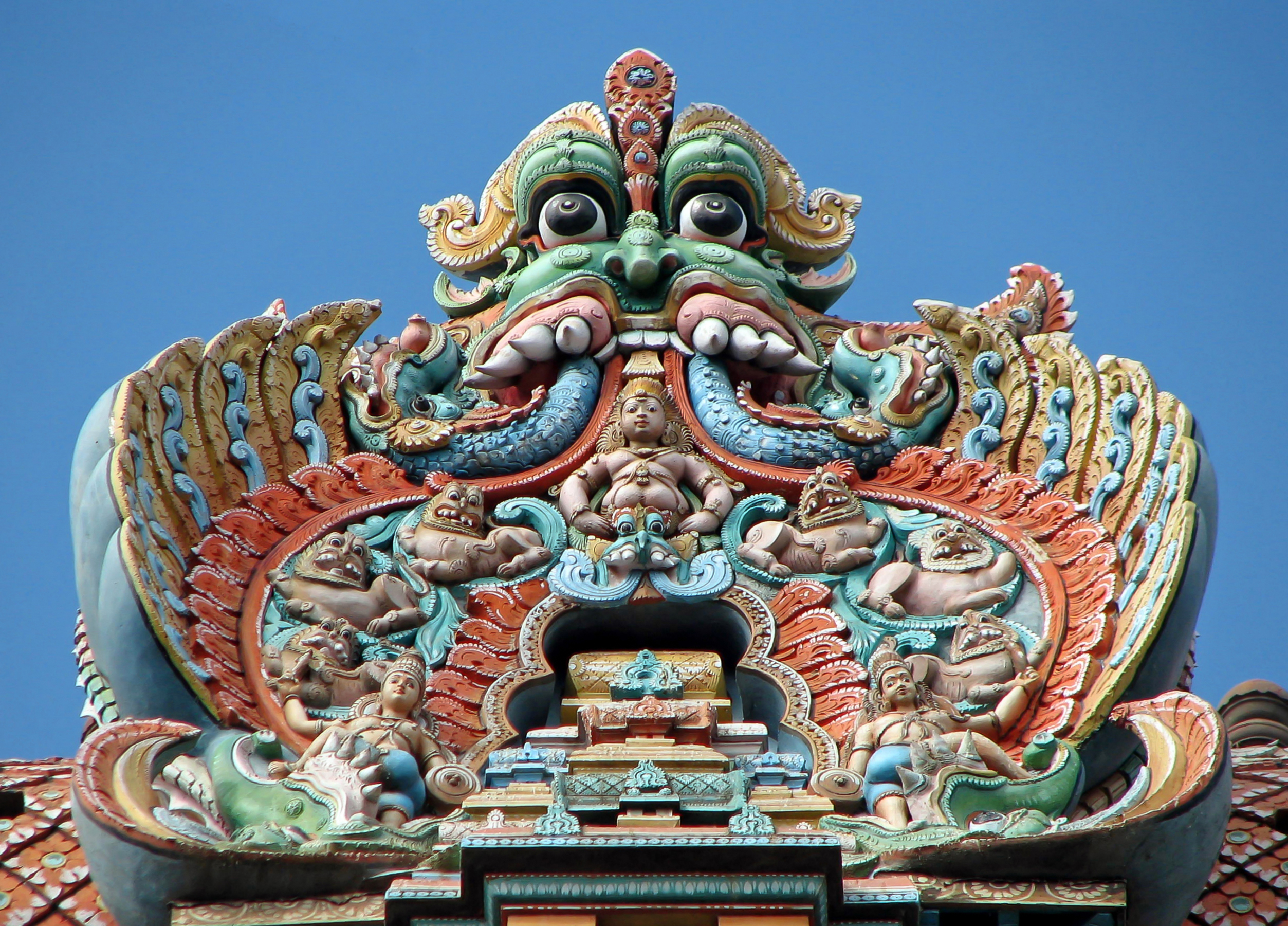
The Agamas also offer exhaustive guidelines for temple architecture, drawing on Vastu Shastra principles to create a sacred space that's harmonious and balanced. The placement of the deity, iconography, and the sacred geometry of the temple complex are all carefully considered to create an environment that's conducive to spiritual growth. You've probably noticed that Hindu temples often have a distinct layout, with the deity at the center, surrounded by intricate carvings and sculptures.
The Pancharatra system of worship, outlined in Vaishnava Agamas, involves intricate rituals and offerings to the deity within the temple. This system is designed to create a deep sense of connection between the devotee and the divine, and it's characterized by a strong emphasis on devotion and surrender. The Agamas prescribe daily observances, known as nitya karma, which include rituals such as puja and japa, as well as special festival rituals, known as naimittika karma, which are performed on specific occasions throughout the year.
These rituals and observances are designed to integrate spiritual practice into everyday life, and they offer a powerful way to cultivate a deeper sense of awareness and connection to the divine. That's what makes the Agamas so valuable, as they provide a practical, applied approach to spiritual growth that's rooted in tradition and scripture. The Agamas continue to guide devotees on their spiritual journeys, offering a rich and nuanced understanding of the Hindu tradition, and that's a powerful thing.
The Living Legacy of the Agamas
The Agamas are vital, practical scriptures that bridge the cosmic and the mundane, offering detailed paths for devotion and spiritual realization. Their influence is profoundly felt in the design and worship of Hindu temples. You've likely seen this in the intricate carvings and rituals that bring these spaces to life. By understanding the Agamas, we gain a deeper appreciation for the systems that support the spiritual lives of millions. This newfound understanding can inspire a fresh perspective on traditional practices. Explore a local temple with new eyes, observing the architectural details and rituals as expressions of ancient wisdom. That's a powerful way to connect with the living tradition of Hinduism.
Sources & References
- Agama (Hinduism) - Wikipedia
- Overview of Hindu Agama Scriptures | PDF | Shiva - Scribd
- Agama history | sreenivasarao's blogs
- The Mysterious Temple Texts Called Agama - Devdutt Pattanaik
- definition of Agamas by The Free Dictionary
- Ancient Shiva Scriptures & Third Eye Science | Arti Agarwal - YouTube
- What is Agamic Hinduism? Do Agamas reject Vedas? - Quora
- Introduction to Agamas - YouTube