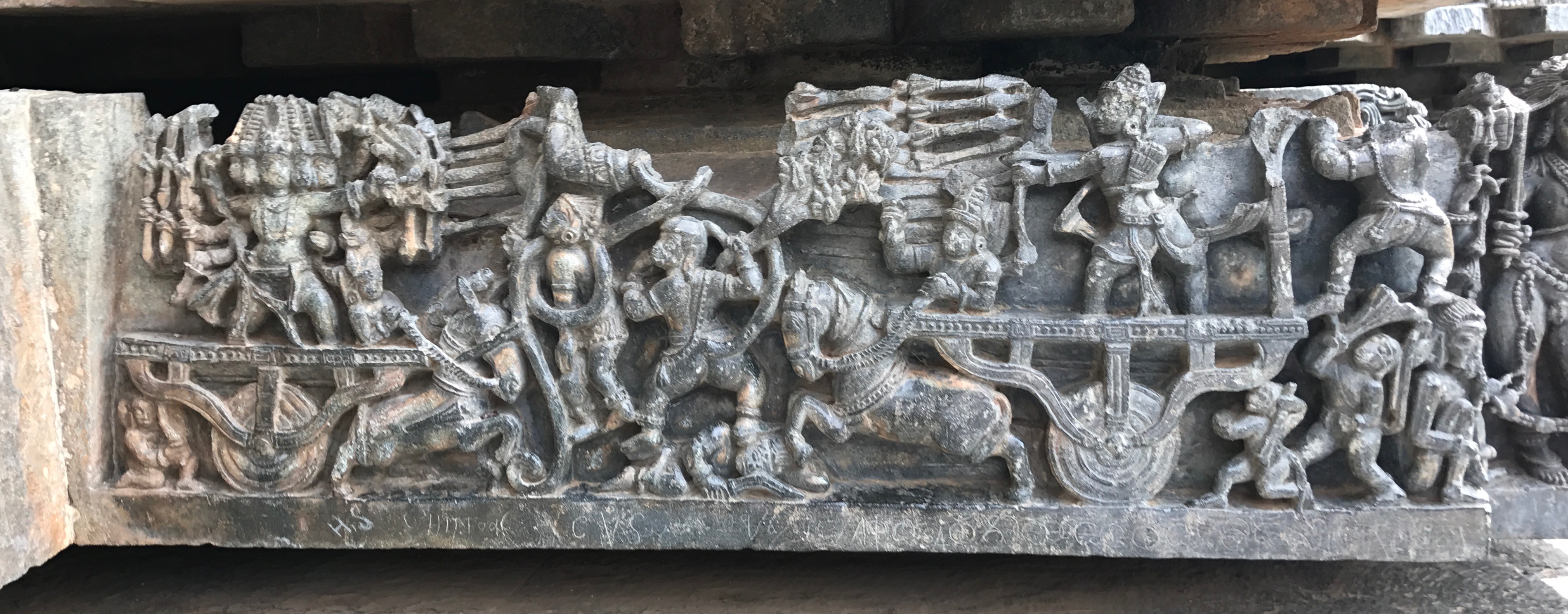

The Veda of Melodies and Mystical Sound
A sacred text so beautiful, its very recitation is a form of meditation, a journey into the heart of sound and spirit. The Samaveda's melodic structure is what sets it apart from other Vedas, with its focus on melody and chant creating a unique sonic experience. You've likely heard of the Vedas as ancient Hindu scriptures, but the Samaveda's emphasis on sound is distinct. It's not just a collection of hymns, but a guide to spiritual experience through the art of sonic devotion. The Samaveda's chants are designed to evoke a deep sense of connection to the divine, and its philosophy is rooted in the idea that sound has the power to transform and uplift. This text is a window into a profound spiritual tradition, one that invites you to experience the beauty and depth of the Samaveda for yourself.
The Symphony of the Samaveda — Structure and Content

The concept of Sāman, or sacred song, is at the heart of the Samaveda, transforming words into a spiritual experience that transcends the mundane. This unique aspect of the Samaveda sets it apart from other Vedic texts, like the Rigveda, from which it draws over 80% of its verses. However, these borrowed verses are set to specific melodies, or Sāman, which are designed to evoke a deep sense of connection to the divine. The Samaveda is primarily a liturgical text, meaning it's meant to be used in ritual and ceremony, with its verses and melodies working together to create a powerful spiritual practice.
The Samaveda is divided into two principal Samhita, or collections: the Purvarchika and the Uttarārcika. The Purvarchika deals with the deities of the heavens, while the Uttarārcika focuses on the deities of the atmosphere and earth. This division reflects the Samaveda's emphasis on the interconnectedness of all things, and its desire to bring the practitioner into harmony with the natural world. You've likely noticed that the Samaveda's structure is designed to facilitate this sense of harmony, with its melodies and verses working together to create a sense of balance and unity.
The Aranyakas and Upanishads embedded within the Samaveda, such as the Chandogya Upanishad, explore profound philosophical concepts that underlie the text's spiritual practices. These sections offer a glimpse into the deeper meaning and significance of the Samaveda's rituals and ceremonies, and provide a framework for understanding the text's emphasis on sound and melody. That's what makes the Samaveda so unique, it's not just a collection of hymns, but a guide to spiritual experience through the art of sonic devotion, and it's this aspect that continues to inspire and uplift practitioners to this day.
The Sonic Path to Brahman — Philosophy and Practice

The Chandogya Upanishad teaches that prana, or life force, and Om, the primordial sound, are central to spiritual attainment, and it's this emphasis that sets the Samaveda apart. You've likely encountered Om before, but in the Samaveda, it's not just a symbol, it's a sound that's meant to be felt and experienced. The concept of Udgitha, or the chanting of Om, is a meditative practice that connects the practitioner to the divine, and it's here that we see the idea of Nada Brahma, or sound is God, start to take shape. This idea is rooted in the belief that sound has the power to transcend the physical world and connect us to something deeper.
The Samavedic understanding of yajna, or sacrifice, is also worth exploring, as it's not just about ritualistic action, but about making a disciplined inner offering of oneself through sound and devotion. That's a pretty radical idea, and it's one that challenges our typical notions of what it means to be spiritual. The practice of yajna is meant to be a transformative experience, one that helps the practitioner move from a state of ignorance to one of awareness.
The structured chanting and melodic intonation in the Samaveda are designed to purify the mind and elevate consciousness, moving the practitioner from the gross to the subtle. It's a gradual process, one that requires patience and dedication, but the payoff is well worth it. As you delve into the world of Samavedic chanting, you start to realize that the sounds and melodies are not just beautiful, but also powerful tools for spiritual growth. The Samaveda's emphasis on sound and melody is a reminder that spirituality doesn't have to be dry or dogmatic, but can be a living, breathing experience that's full of beauty and wonder.
Samaveda in Daily Life — Beyond the Ritual

The concept of finding the "sacred sound" in everyday life is a powerful one, it's about appreciating music, nature's sounds, or even the rhythm of one's own breath as expressions of universal vibration. You've likely experienced this before, where a particular melody or sound resonates deeply with you, evoking a sense of calm or joy. This is similar to the Samavedic approach, where sound and melody are used to connect with the divine.
As you incorporate elements of chanting or melodic recitation of sacred texts into your daily routine, you start to cultivate focus and inner peace. This can be as simple as reciting a short mantra each morning, or listening to a recording of sacred chants during your daily commute. The key is to find what works for you, and to make it a consistent part of your practice.
The Samavedic emphasis on mindful, melodious utterance can also be applied to daily prayers, affirmations, or even mindful speech. This means being more intentional with the words you speak, and using them to uplift and inspire yourself and others. It's not just about the words themselves, but the tone and intention behind them. By transforming mundane communication into a form of spiritual practice, you can shift your entire approach to interaction and connection.
This shift from external ritualistic performance to an internal, heartfelt connection with the divine is at the heart of the Samaveda's focus on devotion and inner transformation. It's about moving beyond mere ritual, and instead using practices like chanting and meditation to cultivate a deeper sense of awareness and connection. As you explore this approach, you may find that your entire perspective on spirituality and personal growth begins to change, becoming more intimate and meaningful.
The Enduring Resonance of the Samaveda
The Samaveda offers a unique path to spiritual realization through the power of sacred sound and melodic devotion. Its philosophical core emphasizes the transformative potential of chanting, meditation on Om, and inner sacrifice. You've likely found that this approach resonates deeply, and that's because it speaks to a fundamental aspect of our nature. The principles of mindful recitation and finding the divine in sound can enrich our modern spiritual lives, helping us to connect with something greater than ourselves. Begin tomorrow by consciously infusing your prayers or mantras with a deeper sense of melody and heartfelt intention, even if only for a few moments. This simple shift in awareness can have a profound impact on your spiritual practice, and that's a journey worth taking.
Sources & References
- Samaveda Facts For Kids | DIY.org
- What is the Samaveda? - Superprof
- Samaveda | Vedic text | Britannica
- Samaveda | Vedic Heritage Portal
- The Samaveda: The Melodic Wisdom of Ancient India
- all about sama veda - 10 interesting facts
- The Sama Veda | Mahavidya
- The Sama Veda - Sacred Chants & Vedic Wisdom: Podcast - YouTube