Beyond the Mystical: A Scholarly Glimpse into Ancient India
When we think of ancient India, we often conjure images of yogis in meditation and grand temples, but what do archaeological findings and textual analysis reveal about the everyday lives and intellectual achievements of its people? The discovery of a 4,500-year-old seal in the Indus Valley, depicting a figure in a yogic pose, suggests a profound connection between spiritual practices and daily life. This find, along with others, has led researchers to reexamine the role of spirituality in ancient Indian society, revealing a complex interplay between spiritual practices, scientific inquiry, and social structures. You've likely heard that ancient Indian culture was deeply spiritual, but it's also clear that this spirituality was closely tied to scientific advancements and social norms. The people of ancient India made significant contributions to mathematics, astronomy, and medicine, all of which were influenced by their spiritual beliefs.
The Vedas and Upanishads as Foundational Texts of Thought

The shift from Vedic ritualism to Upanishadic idealism is a fascinating topic of scholarly debate, as it marks a significant turning point in the development of ancient Indian philosophy. You've probably heard that the Vedas are some of the oldest and most sacred texts in Hinduism, and that's true, but what's interesting is how they provide insights into early Indo-Aryan societal values and their conception of the cosmos through hymns and rituals. The Vedas reveal a complex society with a strong emphasis on ritual sacrifice and a cosmology that's both poetic and precise.
It's in the Upanishads, however, that we see a major shift in focus towards philosophical inquiry, with the introduction of concepts like Brahman, Atman, Maya, and Karma. These texts don't just describe the world, they ask fundamental questions about the nature of reality and our place in it. The Upanishads' exploration of the ultimate reality, Brahman, and the individual self, Atman, laid the groundwork for later philosophical schools.
The transition from Vedic ritualism to Upanishadic idealism has significant implications for later Hindu philosophy, and scholars continue to debate the nature of this shift. Some argue that it represents a radical break with the past, while others see it as a natural evolution of earlier ideas. Either way, it's clear that the Upanishads' emphasis on philosophical inquiry and spiritual seeking paved the way for diverse schools of thought, including Vedanta, Yoga, and Sankhya.
These texts have had a profound impact on Indian thought, and their influence can still be felt today, with many contemporary spiritual and philosophical movements drawing on the ideas and insights of the Vedas and Upanishads. The complexity and depth of these texts have allowed them to remain relevant for centuries, and they continue to inspire and challenge scholars and spiritual seekers alike, that's what makes them so enduring.
Archaeology and the Material Culture of Ancient India

The discovery of Mohenjo-Daro and Harappa's sophisticated urban planning, sanitation systems, and trade networks has significantly expanded our understanding of the Indus Valley Civilization's achievements. These archaeological findings reveal a high degree of practical ingenuity, with advanced drainage systems and well-planned cities that were unparalleled in the ancient world. You've likely heard of the impressive granaries and public baths found at these sites, which demonstrate a strong emphasis on community and civic infrastructure. The level of sophistication is striking, and it's clear that the people of the Indus Valley Civilization were skilled engineers and artisans.
The evidence for early metallurgy, agriculture, and craftsmanship is also noteworthy, with ancient Indians developing innovative techniques for working with copper, bronze, and iron. This expertise is reflected in the many artifacts that have been uncovered, including intricate jewelry, pottery, and other decorative items. The fact that these artisans were able to create such beautiful and durable objects using relatively simple tools is a testament to their skill and creativity. It's interesting to consider how these early technological advancements may have influenced the development of Indian thought and culture.
The role of stupas, monasteries, and cave complexes like Ajanta and Ellora as centers of learning, art, and religious practice is also an important aspect of ancient Indian material culture. These sites reflect the patronage of various dynasties, which supported the creation of elaborate sculptures, paintings, and architectural features. By examining the art and architecture of these sites, we can gain a more nuanced understanding of the social and economic context in which they were created. This, in turn, provides a counterpoint to purely textual accounts, offering a more grounded understanding of social stratification and economic activities in ancient India. The study of material culture is essential for a comprehensive understanding of ancient Indian civilization, and it continues to yield new insights and discoveries that challenge and refine our understanding of this complex and fascinating culture.
Ancient Indian Sciences and Their Global Impact

The development of the decimal system and the concept of zero by Indian mathematicians is a striking example of ancient India's scientific prowess, it's an innovation that had a revolutionary impact on arithmetic and algebra. You've likely heard that the concept of zero was a game-changer, but it's surprising how much of a difference it actually made, simplifying calculations and enabling new mathematical discoveries. Indian mathematicians made these breakthroughs, and their work was later adopted by Arab mathematicians, who in turn introduced it to Europe.
Astronomy was another area where ancient Indians made significant contributions, as recorded in texts like the Surya Siddhanta, which contains calculations of planetary movements and descriptions of astronomical tools. That's not all - the ancient Indians also developed advanced medical knowledge, as documented in the Charaka and Sushruta Samhitas, which cover diagnostic techniques, surgical procedures, and herbal pharmacology. Ayurveda, the traditional Indian system of medicine, is still practiced today, and its emphasis on natural remedies and holistic health is gaining popularity worldwide.
The philosophical underpinnings of ancient Indian culture may have played a role in fostering scientific inquiry, as the belief in a structured, ordered universe, known as Rta or cosmic order, encouraged scholars to seek out patterns and laws governing the natural world. This belief in an underlying order helped drive scientific discovery, and it's interesting to consider how this worldview influenced the development of ancient Indian sciences. Ancient Indian scientists made major contributions to many fields, and their work continues to influence global intellectual history, that's a testament to the power of human curiosity and ingenuity.
The Arts and Aesthetics: A Reflection of the Indian Psyche

The concept of 'Lila', or divine play, is a fascinating thread that runs through ancient Indian art, music, and literature, infusing aesthetic works with spiritual depth and a sense of cosmic harmony. It's a notion that suggests the universe is a grand performance, and humans are both actors and audience, playing out their roles in a grand drama. This idea often informed artistic creation, as seen in the Natya Shastra, a comprehensive treatise on performing arts that details principles of drama, dance, music, and aesthetics, including the concept of 'Rasa', or aesthetic flavor. The Natya Shastra is a remarkable work that explores how art can evoke powerful emotions and create a sense of connection with the divine.
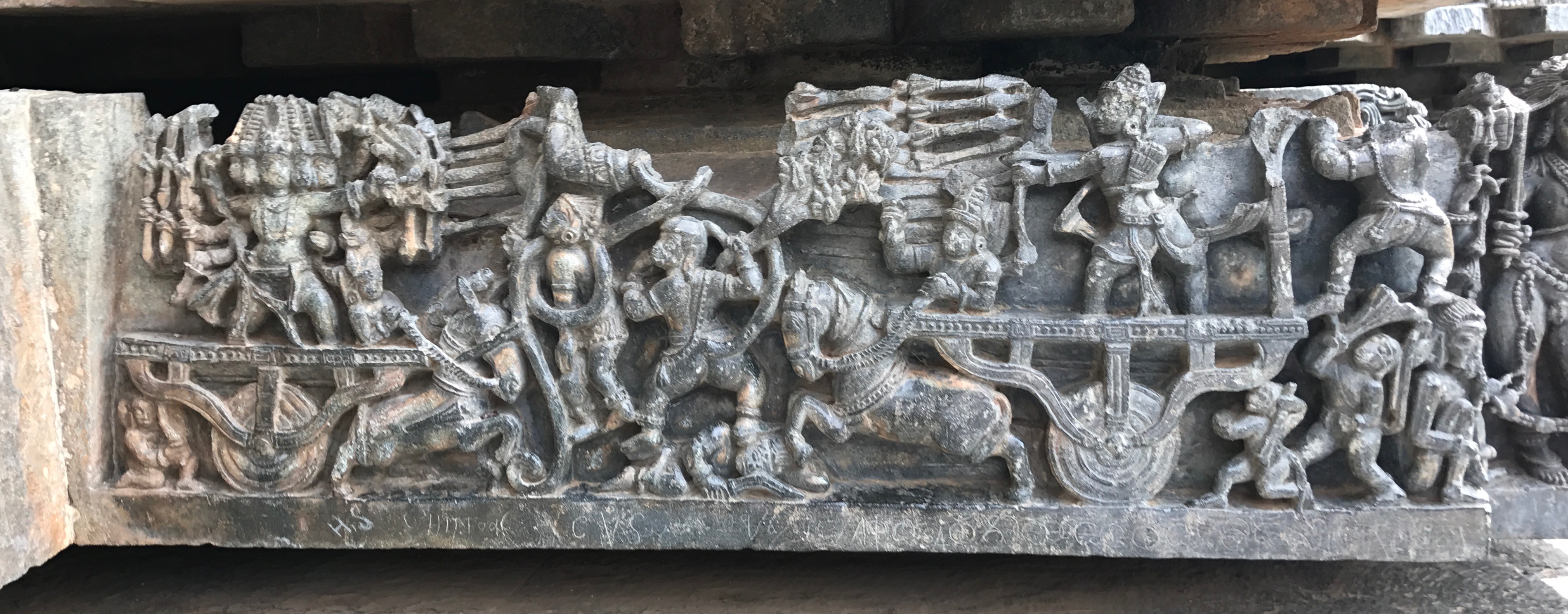
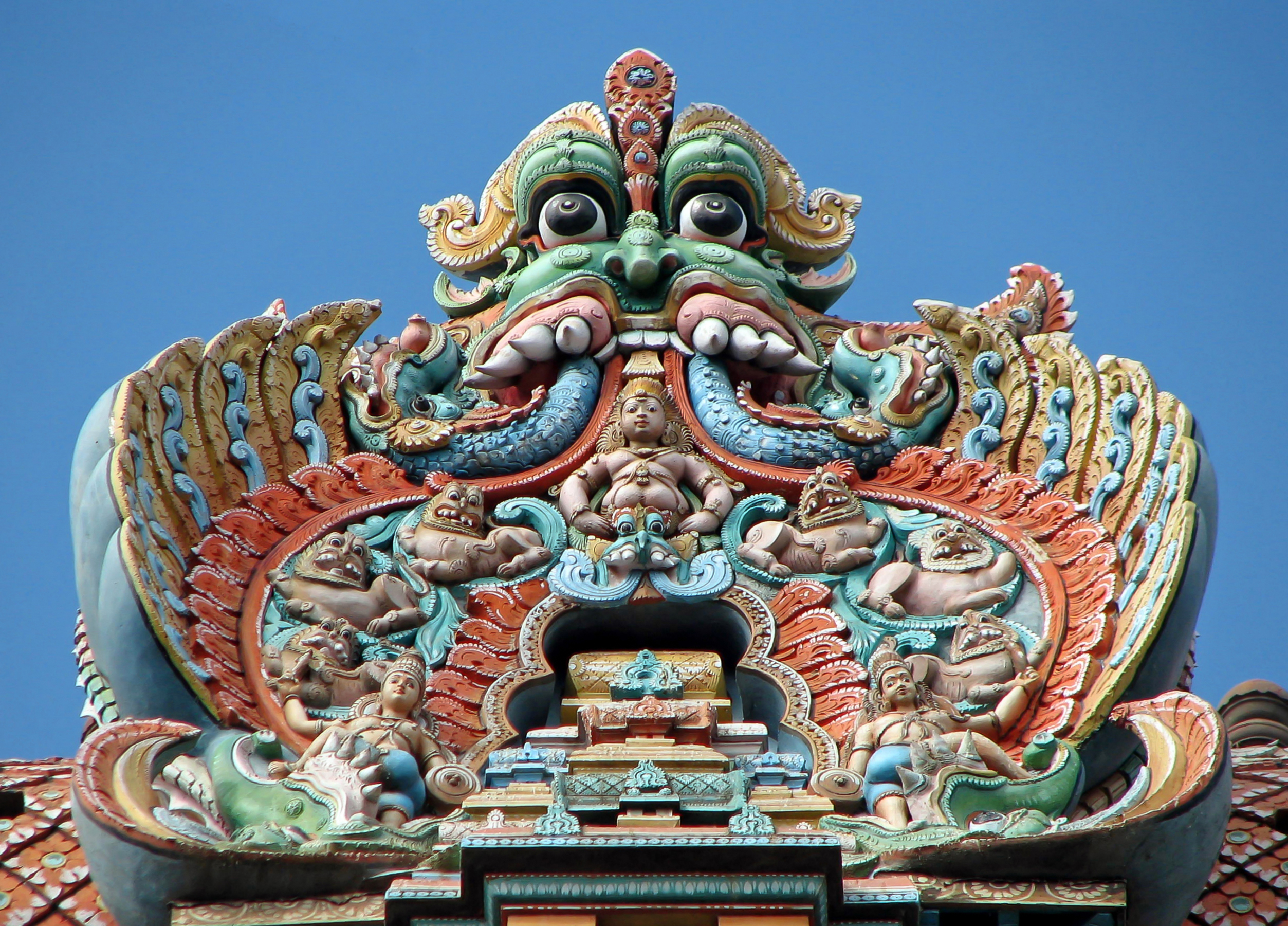
The evolution of Indian sculpture and architecture is another area where we see the interplay of art and spirituality. From early Buddhist art to the intricate carvings of the Gupta period, Indian sculpture and architecture conveyed religious narratives and philosophical ideas, often blending the mundane with the sacred. You've probably seen images of the exquisite temples and carvings from this period, and it's clear that the artists were trying to convey a sense of the divine in their work. The use of mythological themes and symbols added depth and complexity to these works, making them more than just beautiful objects, but also vehicles for spiritual and philosophical reflection.
Sanskrit literature, including epics like the Ramayana and Mahabharata, played a significant role in shaping ethical values and cultural identity in ancient India. These works are not just great stories, but also explore fundamental questions about human nature, duty, and the nature of reality. That's what makes them so enduring, and why they continue to be studied and performed today. The rich tradition of Sanskrit literature is a testament to the power of art to shape our understanding of the world and our place in it. It's a legacy that continues to inspire and guide us, offering insights into the human condition that are just as relevant now as they were centuries ago.
The Enduring Resonance of Ancient Indian Culture
Ancient Indian culture was a dynamic synthesis of spiritual philosophy, scientific pursuit, and artistic expression, far more complex than often portrayed. It's a richness that's still not fully appreciated, even by those who've spent years studying the subject. Archaeological and textual evidence, when studied together, paint a vivid picture of sophisticated societies with advanced knowledge systems. You've probably heard of the concept of zero, but that's just one example of the many groundbreaking ideas that originated in ancient India. The intellectual and artistic contributions of ancient India have left an indelible mark on global civilization, continuing to inspire and inform us today. Explore one specific area of ancient Indian achievement—be it mathematics, medicine, or a philosophical concept—and you'll find that there's always more to discover, more to learn from this fascinating culture. That's what makes it so rewarding to keep exploring.
Sources & References
- Scientific perspective of Ancient Indian Cultural Practices
- Lecture 11 - ANCIENT INDIA
- Ancient Indian Wisdom: Timeless Lessons for Modern Sustainability
- Reflections of the Past: Exploring Ancient Indian History ...
- ANCIENT - INDIAN HISTORY AND CULTURE
- (PDF) The Evolution of Ancient Indian Civilization A Study ...
- India in the Ancient World | History | Research Starters
- Teaching India in a World History Survey – AHA