
The Yoga of Action Without Attachment
What if you could find spiritual freedom not by renouncing the world, but by engaging with it more fully, yet differently? It's a typical Monday morning, you're rushing to get to work, and amidst the chaos, you're expected to find a sense of inner peace. This paradox is what Karma Yoga addresses, offering a path to liberation that's accessible to everyone, regardless of their life circumstances. You don't have to be a monk or a recluse to practice it. The idea is to transform your daily actions into a form of spiritual practice, which is a radical shift from the common notion of duty or work. This shift in perspective is rooted in a deep understanding of the nature of action and its consequences, and it's this understanding that sets Karma Yoga apart from other spiritual practices. It's about changing your relationship with the world, not changing the world itself.
Defining Karma Yoga: Beyond Mere Duty

Karma Yoga is often misunderstood as merely performing one's duty, but it's so much more than that. It's one of the primary yogic paths, alongside Jnana Yoga and Bhakti Yoga, as outlined in scriptures like the Bhagavad Gita. This path is rooted in the concept of 'karma' as action and reaction, where every action has a consequence. Karma Yoga seeks to transcend this cycle by purifying intention, which is a radical idea. You've probably heard of karma as actions with consequences, but the yogic concept of karma is different. It's the principle of cause and effect that binds the soul, and Karma Yoga aims to master this principle.
The mundane understanding of karma is all about actions and their consequences, but Karma Yoga is more nuanced. It's not just about what you do, but how you do it. The attitude towards action is what sets Karma Yoga apart. It's about cultivating a sense of detachment, not from the action itself, but from the outcome. This is a subtle distinction, and it's easy to miss. You can be performing the same actions, but with a different attitude, and that's what Karma Yoga is all about. It's a shift in perspective that can transform your daily life.
The Bhagavad Gita outlines the different yogic paths, and Karma Yoga is one of them. It's a path that's often overlooked, but it's a powerful one. By focusing on the attitude towards action, rather than the action itself, you can start to see the world in a different way. It's not about changing the world, but about changing your relationship with it. This is a profound idea, and it's at the heart of Karma Yoga. It's a philosophy that can help you navigate the complexities of life, and find a sense of peace and clarity in the midst of chaos.
The Bhagavad Gita's Blueprint for Selfless Action

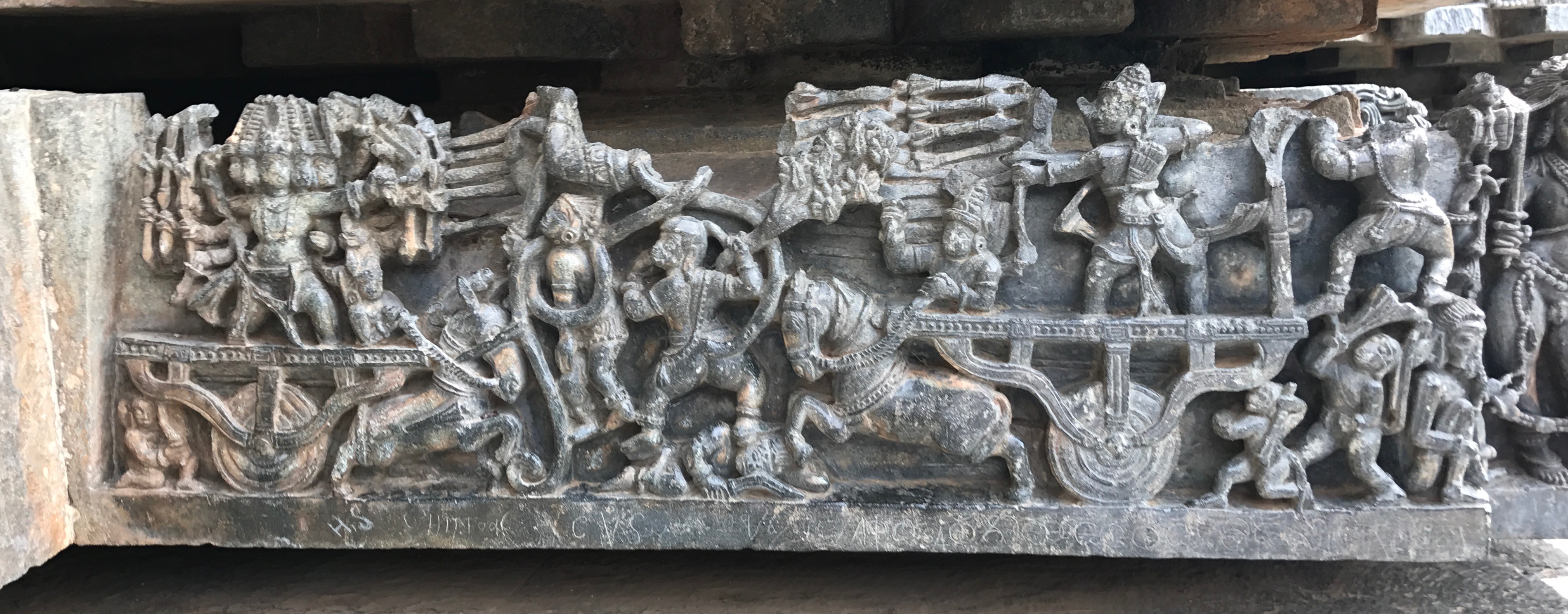
Krishna's counsel to Arjuna on the battlefield is a powerful example of the importance of performing one's Dharma with equanimity, unaffected by success or failure. It's a message that cuts to the heart of Karma Yoga, emphasizing the need to let go of attachment to outcomes and focus on the action itself. The concept of Nishkama Karma, or action without desire for fruits, is the cornerstone of this path, and it's a idea that can be challenging to wrap your head around. You've got to perform your duty without being driven by a desire for specific results.
The Bhagavad Gita presents a nuanced view of renunciation, or tyaga, which is often misunderstood as abandoning actions altogether. That's not what it's about, though - it's about renouncing the attachment to the results of actions. This subtle distinction is key to understanding the philosophy of Karma Yoga. It's not about stopping action, but about changing your relationship with it. By letting go of your attachment to outcomes, you can perform your duty with a sense of freedom and clarity.
Offering the fruits of one's labor to the Divine, or Ishvara Pranidhana, is another central concept in Karma Yoga. This practice transforms action into a devotional offering, allowing you to cultivate a sense of detachment and equanimity. It's a powerful way to shift your perspective, recognizing that your actions are not just about achieving a specific goal, but about serving something greater than yourself. As you deepen your practice of Karma Yoga, you may find that your actions become more effortless and spontaneous, guided by a sense of inner wisdom and clarity. That's when you know you're on the right path.
The Inner Transformation: Cultivating Equanimity and Non-Attachment

Understanding the ephemeral nature of results, or anitya, is a profound concept in Karma Yoga that fosters detachment from the outcomes of one's actions. It's a simple yet powerful idea: everything is transient, including the results of our actions. This realization helps you let go of your attachment to specific outcomes, and that's when you start to see your actions in a different light. You're no longer driven by a desire for a particular result, but by a sense of duty and service.
Seeing the Divine in all beings and actions, or Sarva Bhuta Sthitam, is another key aspect of Karma Yoga that helps overcome ego-centric motivations. When you recognize that every being and every action is connected, you start to transcend your individual ego and see yourself as part of a larger whole. This perspective shift is crucial in cultivating a sense of non-attachment and equanimity. You're no longer driven by personal desires and aversions, but by a sense of unity and compassion.
Equanimity, or Samatvam, plays a vital role in maintaining mental stability amidst life's dualities, such as pleasure and pain, victory and defeat. It's the ability to remain calm and composed, regardless of the situation. By cultivating equanimity, you're able to reduce the accumulation of samskaras, or impressions, that fuel the cycle of rebirth. This purification of the mind is a gradual process, but it's one that ultimately leads to greater freedom and liberation. As you deepen your practice of Karma Yoga, you may find that your mind becomes clearer, your actions more spontaneous, and your sense of purpose more defined, and that's a truly transformative experience.
Karma Yoga in Daily Life: Practical Application

When you approach your daily tasks with a Karma Yogi's mindset, even mundane chores can become opportunities for growth and self-reflection. You don't have to be a monk or a recluse to practice Karma Yoga, it's about cultivating awareness and presence in every action, whether that's cooking dinner, working on a project, or taking care of family responsibilities. Detaching from the desire for praise or recognition can be tough, but it's crucial to making progress on the path of Karma Yoga. You've got to learn to let go of the need for external validation and instead focus on the action itself, finding joy and fulfillment in the process.
As you go about your day, try to stay mindful of your inner state, noticing when you're feeling anxious, frustrated, or distracted. This mindfulness can help you stay grounded and focused, even in the midst of chaos. It's not about achieving some kind of mystical state, it's just about being present and aware in every moment. You can cultivate this awareness by paying attention to your breath, your body, and your thoughts, and by taking regular breaks to reflect on your actions and intentions.
Karma Yoga is a continuous practice, not a destination, and progress is made through consistent effort and self-reflection. It's a journey, not a goal, and it requires patience, dedication, and a willingness to learn and grow. By embracing this mindset, you can transform your daily life into a powerful tool for spiritual growth and self-discovery, and that's a truly profound thing.
Living a Purposeful and Liberated Life Through Action
Karma Yoga offers a profound path to spiritual freedom by transforming our relationship with action. This practice is rooted in the core principle of selfless engagement, performing duties with detachment from outcomes and equanimity in all circumstances. By embracing this approach, you can purify the mind, dissolve the ego, and find liberation within the very fabric of daily life. It's a powerful way to live, and it's available to anyone who's willing to try. Begin today by approaching one task with the sole intention of performing it to the best of your ability, without attachment to how it will be received or what it will yield. As you do, you'll start to experience the freedom and fulfillment that Karma Yoga has to offer, and that's a journey worth taking. You've got nothing to lose, and everything to gain, by giving it a try, and seeing where it takes you.
Sources & References
- What is the Importance of Karma Yoga
- What is Karma Yoga? Essence of Karma Yoga Philosophy
- Principles of Karma Yoga
- Karma yoga - Wikipedia
- Four Principles of Karma Yoga: Your Path to Mindful Action ...
- Principles and Types of Karma Yoga
- The Principles And Practice Of Karma Yoga
- The Path of Work – Karma Yoga