
History and Origin of Fasting (Vrat)


Modern Relevance of Char Dham
In a world that constantly demands our attention, how can we find a path to inner peace and clarity that doesn't require escaping everything?

Temple Legends of Holy Cities
Imagine walking through ancient streets where every stone echoes with tales of gods and goddesses, where legends aren't just stories but living guides for your spiritual path.

Misconceptions and Myths of Hanuman
When you think of Hanuman, do you picture a powerful, flying monkey god? While that image is part of the story, it barely scratches the surface of the profound spiritual truths this beloved deity represents.
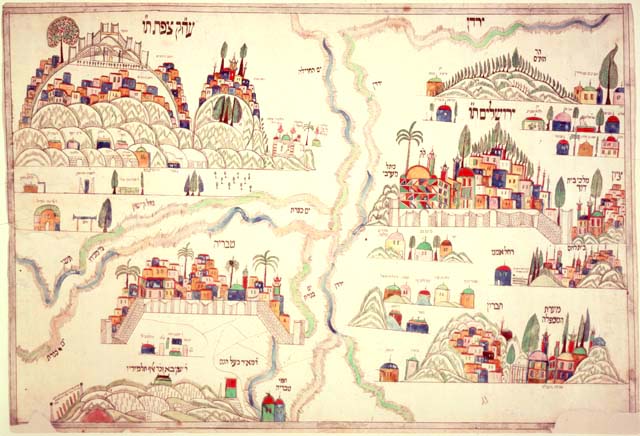
History and Origin of Holy Cities
Long before printed maps, ancient seers saw the cosmos imprinted on the landscape, designating certain places as earthly abodes of the divine – but how did these locations become sacred?
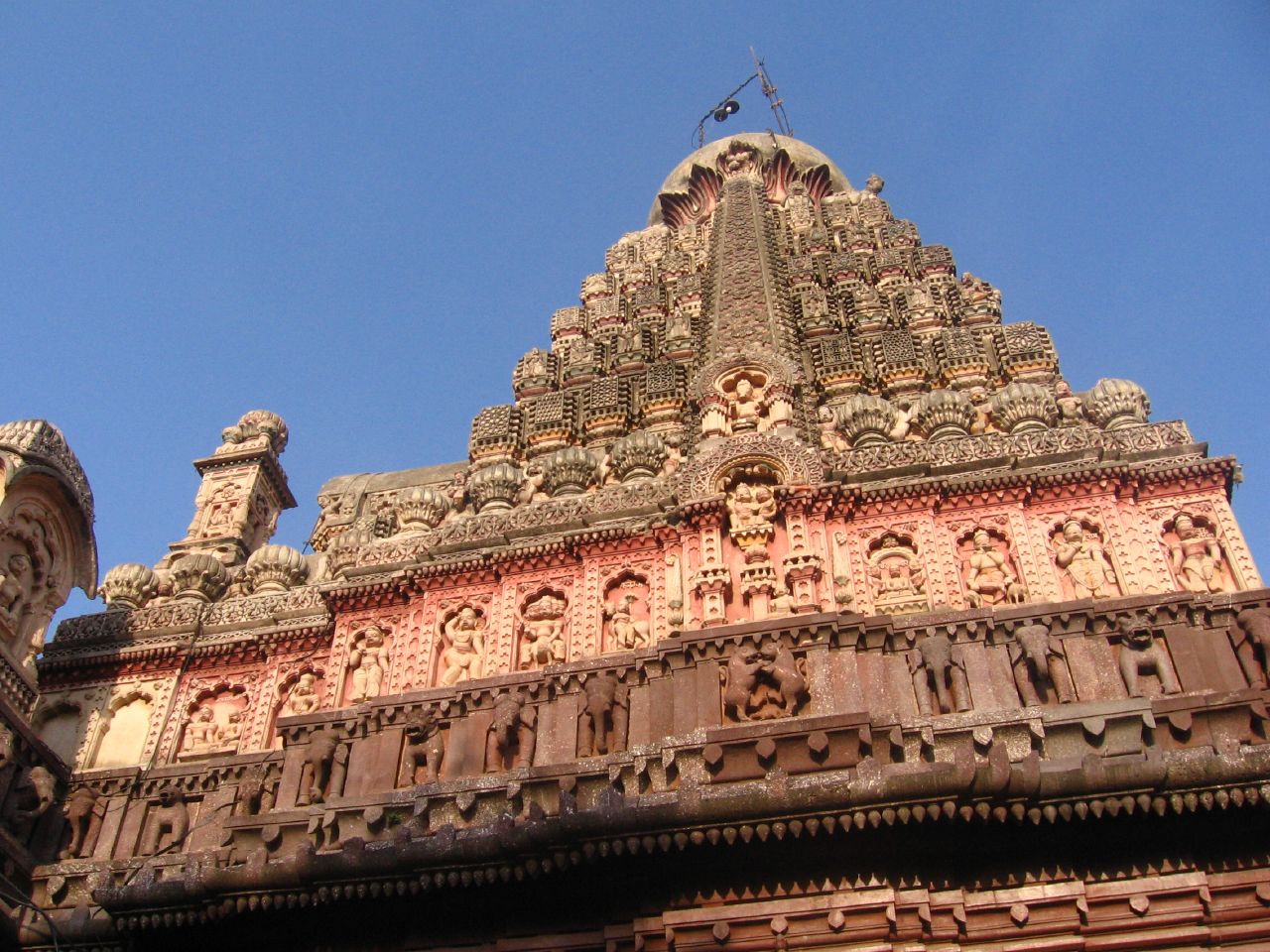
Temple Legends of Jyotirlinga Temples
Beyond the grandeur of stone and the chanting of mantras, the twelve Jyotirlinga temples hold within them ancient legends that explain Shiva's fiery descent into our world.

What Is Hanuman — An Introduction
When you hear the name Hanuman, images of a powerful, divine monkey warrior might come to mind. But who is this beloved figure in Hindu tradition, and what does he represent?

Definition and Meaning of Japa
You've heard it in temples, in yoga classes, and perhaps even whispered by a guru — the rhythmic repetition of a mantra. But what is *japa*, truly, and why is this ancient practice so central to Hindu spiritual life?

Lessons for Life of Shiva
Feeling overwhelmed by the constant flux of modern life – the deadlines, the dramas, the unexpected turns – and wishing for a calm center? What if the ancient stories of Shiva, the god of destruction and transformation, hold the exact blueprint for navigating this chaos?

Lessons for Life of Krishna
Ever feel like life's challenges are a chaotic script, and you're just improvising without a clue? What if the greatest lessons weren't in dusty scriptures, but in the vibrant, playful, and profound life of a divine being?