
Character Study of Ramayana Characters


Symbolic Storytelling of Dev vs Asura Stories
When we hear tales of Devs and Asuras, do we imagine ancient celestial wars, or a battle that rages within each of us, every single day?

Moral Extraction of Women in Epics
We know Sita's fire, Draupadi's disrobing, and Radha's devotion, but what if the epics have subtly extracted something vital from these women, even as they celebrate them?

Philosophical Meaning (Good vs Evil) of Dev vs Asura Stories
When we hear "Dev vs. Asura," do we envision a clear-cut cosmic war of good against evil, or is there a subtler, more complex philosophical landscape at play?

What Role Did X Play of Ramayana Characters
We know the story of Rama's exile, Sita's abduction, and Hanuman's devotion, but what if these characters are more than just figures in an epic – what if they are living embodiments of profound spiritual truths?

The Silent Queen Who Waited 14 Years While Lakshmana Slept: Urmila's Untold Sacrifice in the Ramayana
While Rama, Sita, and Lakshmana journeyed into the forest for fourteen years, a queen remained behind, her own story of sacrifice rarely told.

The Gopi Who Refused Krishna's Flute — The Untold Story of Radha's Rival Who Became His Greatest Disciple
Every child who has heard tales of Krishna knows Radha. But what if there was another gopi, one who refused the divine flute's call, only to become a disciple of unparalleled depth?
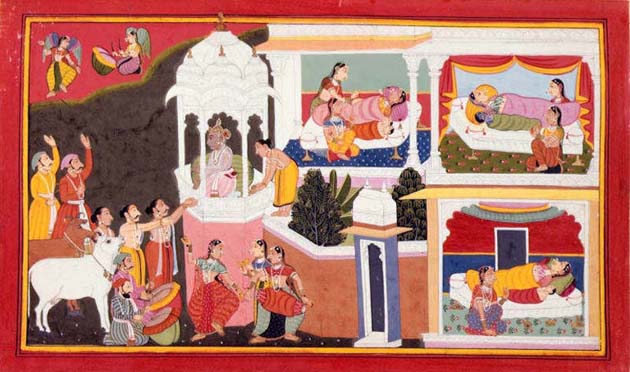
The Three Wives of King Dasaratha: How Their Contrasting Choices Shaped the Ramayana's Moral Framework
Ayodhya, a kingdom renowned for its dharma and prosperity, was poised for a glorious future with the coronation of Lord Rama, yet this destiny was dramatically altered by the choices of three women, the wives of its aging king.

The Shiva Story That Proves Even Gods Get Tricked — And Why That Changes Everything About Divine Power
We often imagine gods as perfect beings, beyond deception. But what if one of the most powerful deities in the Hindu pantheon, Lord Shiva himself, was once outsmarted?
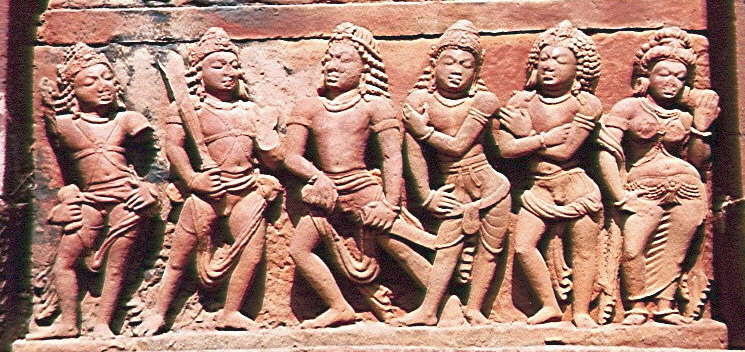
The One Draupadi Story That Proves the Mahabharata's Women Were Always the Real Power Behind the Throne
We remember Draupadi for her humiliation, for the fateful dice game that ignited the Mahabharata war. But what if that singular, tragic event obscures a far more profound truth about her role and that of other women in the epic?